
Market Insights
10 oz Gold Bar Buying Guide: Everything You Need to Know Before You Buy
Jun
A 10 oz gold bar sits in a sweet spot that many investors find genuinely appealing. It’s large enough to represent serious value and carry lower premiums per ounce than smaller bars or coins, yet it remains far more affordable than the 100 oz or kilo bars that institutional buyers favor. If you’re thinking about adding a 10 oz gold bar to your portfolio, there’s more to consider than simply placing an order. This guide walks you through everything you need to know before you buy.
What Exactly Is a 10 oz Gold Bar?
A 10 oz gold bar is a cast or minted bar containing exactly ten troy ounces of gold. The troy ounce — approximately 31.1 grams — is the standard unit of measurement used throughout the precious metals industry. That means a 10 oz bar contains roughly 311 grams of gold, making it a substantial physical asset that you can hold in the palm of your hand.
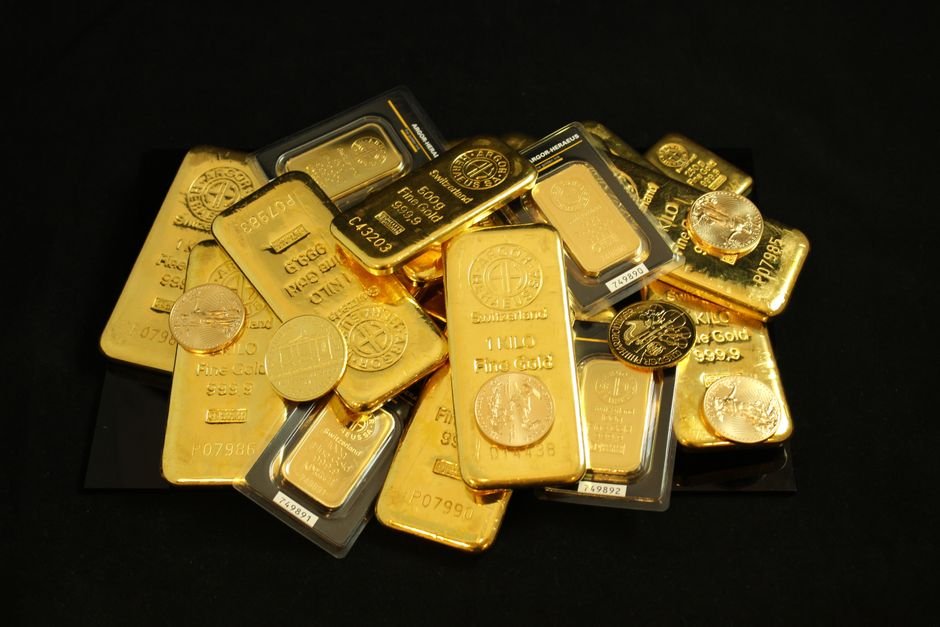
Most 10 oz bars produced by reputable refiners carry a purity of .9999 fine gold, meaning 99.99% pure gold. Some bars carry .999 fine purity, which is still considered investment grade and widely accepted in the market. The bar will typically display its weight, purity, a unique serial number, and the refiner’s hallmark stamped or engraved directly on the surface.
There are two main styles: cast bars, which have a rougher, rustic appearance formed by pouring molten gold into a mold, and minted bars, which are cut from a rolled gold sheet and feature crisp, precise edges with a more polished finish. Both styles contain the same gold content — the difference is largely aesthetic, though minted bars often carry a slightly higher premium due to additional production steps.
Why Choose a 10 oz Bar Over Other Gold Products?
When you buy gold in larger quantities, the premium per ounce — the amount above spot price you pay for fabrication and distribution — tends to decrease. A 10 oz bar typically carries a lower per-ounce premium than a one-ounce bar or a gold coin of the same weight. Over time, that difference adds up, especially for buyers who are accumulating gold steadily.
Compared to gold coins, bars are also simpler. Coins carry numismatic considerations, legal tender face values, and government-minted designs that some buyers find appealing but others consider unnecessary complexity. A gold bar is straightforward: you’re buying gold, priced close to its actual metal value.
That said, gold coins can be easier to sell in smaller increments. If you ever need to liquidate part of your holdings, selling a single one-ounce coin is simpler than finding a buyer for an entire 10 oz bar at once. This is worth keeping in mind when deciding how to structure your overall holdings.
Which Refiners Should You Look For?
The refiner behind your bar matters a great deal. Bars from well-recognized, accredited refiners are far easier to resell because dealers and buyers worldwide recognize and trust them. Look for bars produced by refiners accredited by the London Bullion Market Association (LBMA), which maintains a global good delivery list of approved producers.
Some of the most widely recognized names in 10 oz gold bars include PAMP Suisse, Valcambi, Credit Suisse, Perth Mint, and Johnson Matthey, among others. Bars from these producers come with consistent weight, purity, and documentation, making them highly liquid in secondary markets.
Lesser-known or generic refiners may offer slightly lower premiums, but they can be harder to resell quickly and may face more scrutiny from buyers. For most investors, sticking with recognized names is worth the small additional cost.
Understanding Assay Cards and Verification
Many 10 oz gold bars — particularly minted bars — come sealed in a tamper-evident assay card or blister pack. The assay card is a certificate of authenticity that displays the bar’s serial number, weight, and purity. It serves as documentation and provides a layer of trust when you eventually resell.
It is strongly advisable to keep your bar in its original, sealed packaging. Breaking the seal can reduce resale value and may require the bar to undergo additional verification before a dealer will purchase it. If you receive a bar that has already been removed from its assay card, make sure the serial number on the bar matches any accompanying documentation.
For added peace of mind, many modern bars from top refiners include security features such as unique holograms, embedded security threads, or CertiPAMP verification through PAMP Suisse’s app-based authentication system. These features make counterfeiting significantly harder and give buyers confidence in what they’re purchasing.
Where and How to Buy a 10 oz Gold Bar
Buying from a reputable, established dealer is the single most important step you can take. A trustworthy dealer will offer transparent pricing tied to live spot prices, clearly disclose all premiums, and provide secure shipping with insurance. Avoid private sellers on general marketplaces unless you have a reliable way to verify the product’s authenticity.
Absolute Bullion offers 10 oz gold bars at current spot price plus a clearly disclosed premium, with secure insured shipping and a straightforward purchasing process. Working with a dealer that is transparent about pricing and sourcing protects you from overpaying and gives you a reliable relationship for future transactions.
When comparing prices across dealers, always calculate the total cost per ounce including shipping and any payment processing fees. Some dealers advertise low premiums but add significant fees at checkout. Factor in every cost before deciding where to place your order.
Storage, Insurance, and Security
Once you own a 10 oz gold bar, storing it safely becomes your primary responsibility. Your options generally fall into three categories: home storage, a bank safe deposit box, or a third-party precious metals depository.
- Home storage offers immediate access but requires a quality safe that is both fireproof and securely anchored. Make sure your homeowner’s or renter’s insurance policy specifically covers bullion — standard policies often exclude or severely limit coverage for precious metals.
- Bank safe deposit boxes are inexpensive and physically secure, but contents are not insured by the bank or the FDIC, so separate insurance is still necessary.
- Third-party depositories offer professional-grade vault storage with full insurance coverage, often for a modest annual fee. This is generally the most secure option for larger holdings.
Whatever storage method you choose, document your holdings with photographs, serial numbers, and purchase receipts, and store that documentation separately from the bars themselves.
Conclusion
A 10 oz gold bar is a powerful way to hold a meaningful quantity of physical gold at an efficient per-ounce cost. By understanding purity standards, choosing reputable refiners, keeping your assay documentation intact, and storing your bar securely, you put yourself in the best possible position as an owner of physical gold. Ready to take the next step? Visit absolutebullion.com to browse available 10 oz gold bars, check live pricing, and buy with confidence.
