
Market Insights
1 oz Gold Bar Buying Guide: Everything You Need to Know Before You Buy
Jun
Gold bars have long been one of the most straightforward ways to own physical gold. Among the many sizes available, the 1 oz gold bar strikes a practical balance between affordability and value density, making it one of the most popular choices for both first-time buyers and seasoned collectors. Before you hand over your money, though, there are a few important things to understand — from how bars are made and priced to how you store and eventually sell them. This guide covers everything you need to know before you buy your first 1 oz gold bar.
What Is a 1 oz Gold Bar?
A 1 oz gold bar is a rectangular piece of refined gold weighing exactly one troy ounce. It is important to note that a troy ounce — the standard unit used in precious metals — is slightly heavier than a regular avoirdupois ounce used in everyday measurements. One troy ounce equals approximately 31.1 grams, while a standard ounce is about 28.35 grams. When dealers and refiners refer to a 1 oz gold bar, they always mean one troy ounce.
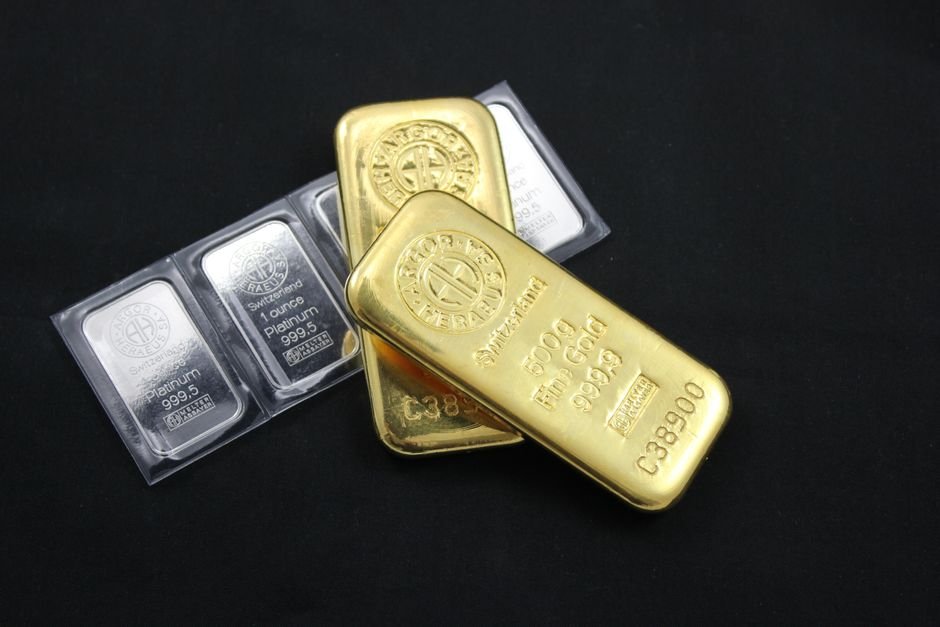
Most 1 oz gold bars are produced at a purity of .9999 fine gold, sometimes called “four nines fine.” This means the bar is 99.99% pure gold. Some bars carry a .999 purity, which is still considered investment-grade. The purity level is almost always stamped directly onto the bar along with the weight, the refiner’s name or hallmark, and a unique serial number for traceability.
Gold bars differ from gold coins in a few key ways. Coins are minted by sovereign governments, carry a legal tender face value, and often command a higher premium due to their collectibility. Bars are produced by private and accredited refiners and are generally a more cost-efficient way to buy gold by weight, since their premiums over spot price tend to be lower.
Understanding the Premium Over Spot
When you buy a 1 oz gold bar, you will pay more than the raw spot price of gold. That extra amount is called the premium, and it covers the cost of refining, fabrication, packaging, distribution, and dealer margin. Understanding the premium is critical because it directly affects your total cost and how much the gold price needs to rise before you break even if you decide to sell.
Premiums on 1 oz gold bars are typically lower than those on gold coins of the same weight. However, premiums can vary significantly depending on the brand of the bar, market demand, and overall supply conditions. During periods of high investor demand — such as economic uncertainty or market volatility — premiums can rise even when the spot price stays flat, simply because physical gold becomes harder to source quickly.
When comparing bars, look at the total all-in price rather than just the spot price. A bar with a slightly higher premium from a well-known, accredited refiner is almost always a better purchase than a cheap bar from an obscure source that may be difficult to resell later.
Which Refiners and Brands Should You Look For?
Not all gold bars are created equal in the eyes of the market. Bars produced by well-recognized and accredited refiners trade more easily and are widely accepted by dealers, banks, and buyback programs worldwide. The London Bullion Market Association (LBMA) maintains a Good Delivery List of approved refiners whose bars meet strict standards for purity and weight. Buying from an LBMA-accredited refiner or a widely recognized brand gives you confidence in authenticity and makes resale much simpler.
Some of the most recognized names in 1 oz gold bars include PAMP Suisse, Valcambi, Credit Suisse, Perth Mint, and Asahi Refining, among others. Each refiner has its own design, packaging style, and assay card format. Many modern bars come sealed in a tamper-evident assay card — sometimes called a “certi-card” — that includes the bar’s weight, purity, serial number, and a certificate of authenticity. Buying a bar in its original, intact assay packaging is strongly recommended because it preserves authenticity verification and supports resale value.
How to Verify Authenticity
Counterfeit gold products do exist, and a 1 oz gold bar is a high-value item worth protecting. The good news is that reputable dealers purchase directly from accredited refiners and use established verification processes, so buying from a trusted source is your first and most important line of defense. Still, it is worth understanding basic verification methods.
One of the simplest checks is a basic weight and dimension test. Genuine gold bars have very specific dimensions and weight. Gold is one of the densest metals on earth, so a counterfeit bar made from a lighter or cheaper metal will either weigh less or be noticeably larger than the real thing. More advanced verification methods include electronic gold testers, ultrasonic thickness gauges, and X-ray fluorescence (XRF) analyzers, which many professional dealers use routinely.
When you buy from an established, reputable dealer like Absolute Bullion, you are purchasing bars that have already gone through proper sourcing and verification channels. Always request documentation, keep your receipt, and never buy gold bars from unknown private sellers without independent verification.
Storage and Insurance Considerations
Owning physical gold means you need a plan for keeping it safe. A 1 oz gold bar is small enough to store easily, but its value makes proper storage non-negotiable. The two most common options are home storage and third-party vault storage.
For home storage, a high-quality, heavy-gauge steel safe that is bolted to the floor or wall is the minimum standard. Avoid simply hiding gold in a drawer or cabinet — these locations are the first places a burglar checks. Home insurance policies typically cover only a small amount of valuables by default, so if you plan to store gold at home, contact your insurer about a rider or separate policy that specifically covers precious metals at full replacement value.
Third-party vault storage through an accredited depository offers professional-grade security and often includes insurance as part of the service fee. This option makes the most sense if you are accumulating a larger quantity of gold over time. Whichever route you choose, document your holdings with photos, serial numbers, and purchase records stored separately from the gold itself.
Selling Your 1 oz Gold Bar
One practical advantage of 1 oz gold bars from recognized refiners is their strong liquidity. Reputable dealers, coin shops, and buyback programs are generally willing to purchase them. When you are ready to sell, you will receive a buyback price based on the current spot price, less the dealer’s buyback spread. Bars in original assay packaging from well-known refiners typically attract the best offers.
Before selling, compare offers from multiple buyers, just as you would when buying. Understand that you will not receive the full spot price — the dealer spread is how businesses sustain their operations. Selling to the same reputable dealer you purchased from is often a smooth and straightforward process.
Buying a 1 oz gold bar is one of the most practical and direct ways to add physical gold to your financial strategy. Focus on purity, reputable refiners, proper storage, and working with established dealers. You can browse current inventory and live pricing at absolutebullion.com to find the right bar for your needs and budget. Take your time, do your homework, and your first gold bar purchase can be a confident and informed one.
