
Market Insights
Gold vs Inflation: How Precious Metals Protect Your Wealth
Aug
Inflation quietly erodes the purchasing power of your money every single year. A dollar saved today buys less tomorrow, and over decades that loss compounds dramatically. For thousands of years, gold and other precious metals have served as a reliable store of value — not because of tradition alone, but because of real, measurable financial properties. If you are new to investing and wondering whether precious metals deserve a place in your financial plan, understanding the relationship between gold and inflation is the right place to start.
What Inflation Actually Does to Your Money
Inflation is the general rise in prices over time, which means the purchasing power of cash declines. When a central bank increases the money supply faster than the economy grows, more dollars end up chasing the same amount of goods. The result is that everyday items — groceries, housing, fuel — cost more year after year. Money sitting in a savings account earning minimal interest often fails to keep pace with that rising cost of living.
The impact is especially severe over long time horizons. The buying power lost to decades of even moderate inflation can be substantial. Retirees and long-term savers feel this most acutely, because the money they set aside years ago may no longer stretch as far as they planned. This is precisely why financial planners have long encouraged people to hold assets that are expected to maintain or grow in real value over time.
Cash and low-yield savings vehicles are most vulnerable to inflation. Stocks can offer a partial hedge, but they also carry corporate risk and market volatility. Gold occupies a different category — it is a tangible, finite resource that no government can simply print more of.
Why Gold Has Historically Held Its Value
Gold’s reputation as an inflation hedge is rooted in its fundamental characteristics. It is durable, divisible, portable, and — most importantly — scarce. The total amount of gold ever mined in human history would fit inside a surprisingly small space. New supply comes from mining, which is expensive and slow. This limited supply is a core reason gold cannot be devalued the way paper currency can.
Throughout history, when currencies have lost significant value due to inflation or government mismanagement, gold has tended to preserve wealth for those who held it. While gold’s price in dollar terms fluctuates in the short term, its long-run purchasing power has remained relatively stable across centuries. An ounce of gold could purchase a fine Roman toga in ancient times and a quality tailored suit today — that consistency is remarkable and largely unmatched by any paper currency.
It is important to be realistic: gold does not generate income like a dividend-paying stock or a rental property. Its role in a portfolio is primarily defensive — a store of value rather than a growth engine. Understanding that distinction helps you use gold wisely rather than with inflated expectations.
Silver, Platinum, and Other Precious Metals
Gold gets most of the attention, but silver, platinum, and palladium also offer inflation-resistant properties. Silver in particular has a dual role: it functions as a monetary metal with a long history similar to gold, while also being an industrial metal used in electronics, solar panels, and medical equipment. That industrial demand can add price support that pure monetary metals do not have.
Silver is also more accessible for new investors because its price per ounce is significantly lower than gold at current spot price, making it possible to start building a position with a smaller initial outlay. You can accumulate silver coins or bars gradually over time, a strategy sometimes called dollar-cost averaging.
Platinum and palladium are rarer than gold and tied more closely to industrial and automotive demand. They can play a role in a diversified precious metals portfolio, but they tend to be more volatile and are generally considered supplemental rather than core holdings for someone primarily concerned with inflation protection.
Physical Metal vs. Paper Gold — Know the Difference
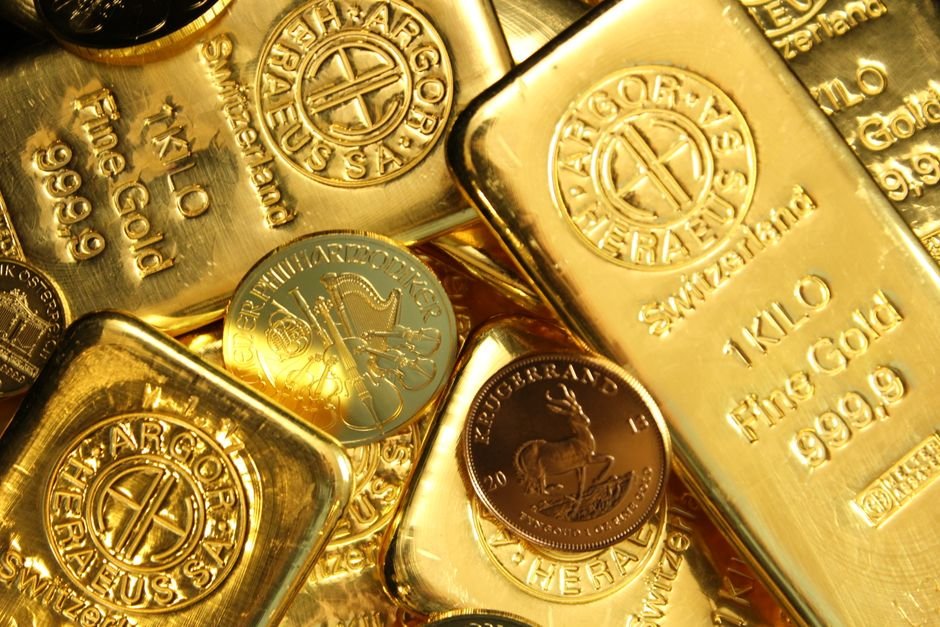
When most people think about buying gold as a hedge, they picture physical coins and bars — and for good reason. Holding physical metal means you own a tangible asset outright, with no counterparty risk. There is no company that can go bankrupt, no broker that can freeze your account, and no digital record that can be altered or hacked.
Paper gold products, such as gold ETFs and futures contracts, track the price of gold but do not give you physical ownership. They can be useful for traders focused on price movements, but they do not provide the same wealth-preservation qualities as holding the metal itself. In a genuine financial crisis — exactly the scenario when an inflation hedge matters most — paper assets can face liquidity problems that physical gold simply does not have.
For most people focused on protecting purchasing power, physical coins and bars purchased from a reputable dealer offer the clearest and most direct exposure to gold’s inflation-hedging properties. Coins such as the American Gold Eagle or the Canadian Gold Maple Leaf are widely recognized, easy to buy and sell, and carry government-backed purity guarantees.
How Much Should You Allocate to Precious Metals?
There is no single right answer, because every person’s financial situation is different. Many financial advisors suggest somewhere between five and fifteen percent of a portfolio in precious metals as a reasonable hedge, though some investors choose to hold more depending on their concerns about inflation and currency risk. The key principle is balance: precious metals work best as part of a diversified strategy, not as a sole investment.
Practical steps to consider include:
- Start small and build gradually. You do not need to buy large quantities all at once. Even a few coins purchased regularly builds meaningful protection over time.
- Choose recognizable forms. Sovereign-minted coins are the easiest to resell and verify.
- Store securely. A quality home safe or a professional vault service protects your investment.
- Buy from trusted dealers. Work with established, transparent dealers who clearly display pricing and product details.
At Absolute Bullion, you can view current spot pricing and browse a full selection of gold and silver products, making it straightforward to compare your options before committing.
Timing, Patience, and the Long View
One common mistake new buyers make is trying to time the market — waiting for the perfect moment to buy. The honest truth is that nobody consistently predicts short-term price movements in gold or any other asset. What history does support is that gold has maintained its purchasing power over long periods. Investors who hold gold for years rather than weeks tend to experience the hedging benefit it is designed to provide.
Dollar-cost averaging — buying a fixed dollar amount of metal at regular intervals regardless of price — removes the stress of timing and helps smooth out short-term volatility. It is a disciplined, low-stress approach well suited to anyone using precious metals as a wealth-preservation tool rather than a speculative trade.
Protecting your purchasing power against inflation is one of the most practical financial decisions you can make. Gold and silver have earned their place in serious portfolios for good, well-documented reasons. Ready to take the next step? Visit absolutebullion.com to explore current offerings, check live spot prices, and speak with a knowledgeable team that can help you find the right products for your goals.
