
Market Insights
How to Diversify Your Retirement Portfolio With Precious Metals
Aug
Retirement planning is one of the most important financial decisions you will ever make, and most people spend decades building their nest egg only to keep it concentrated in stocks and bonds. That approach can work well during calm markets, but it leaves your savings exposed when equities drop or inflation erodes the purchasing power of your dollars. Adding precious metals to your retirement portfolio is a time-tested way to spread risk across different types of assets. This article explains how to do it wisely, what options are available to you, and what to watch out for along the way.
Why Precious Metals Belong in a Retirement Strategy
Precious metals — primarily gold, silver, platinum, and palladium — have historically behaved differently from stocks and bonds. When equity markets fall sharply, gold in particular has often held its value or even moved higher, because nervous investors tend to seek assets they view as stable stores of value. This low correlation to traditional markets is exactly what makes precious metals useful for diversification rather than speculation.
Inflation is another reason retirees pay attention to gold and silver. Over long periods of time, a dollar buys less and less. Hard assets like gold have a track record of preserving purchasing power across generations. While no investment is guaranteed to protect you from every economic scenario, the historical record gives many investors confidence that a meaningful allocation to metals can act as a financial buffer when paper assets struggle.
It is also worth noting that precious metals carry no counterparty risk. A gold coin or silver bar does not depend on a company’s earnings, a government’s creditworthiness, or a bank’s solvency to hold its value. That independence is appealing to people who want to hold something tangible in retirement.
How Much of Your Portfolio Should Be in Precious Metals
Financial professionals commonly suggest keeping precious metals in the range of five to fifteen percent of a retirement portfolio. That range is general guidance, not a formula, and the right number for you depends on your age, risk tolerance, income needs, and how many years you have until retirement. A younger investor with decades to go might allocate closer to the lower end, while someone approaching retirement who is more concerned about capital preservation might lean toward the higher end.
The goal is balance. Precious metals do not generate dividends or interest, so holding too large a position can drag on overall portfolio performance during long stretches when equities are rising strongly. Think of your metals allocation as insurance — valuable when you need it, but not something you want to over-purchase to the point where it crowds out growth-oriented assets.
Review your allocation periodically. If gold prices rise significantly and your metals position grows to twenty percent of your portfolio, rebalancing back toward your target keeps the diversification strategy working as intended.
Ways to Add Precious Metals to Your Retirement Accounts
The most direct method is a self-directed IRA (Individual Retirement Account) that is specifically structured to hold physical precious metals. Often called a Gold IRA or Precious Metals IRA, these accounts allow you to own IRS-approved gold, silver, platinum, and palladium coins and bars inside a tax-advantaged retirement account. The metals must meet purity standards set by the IRS, and they must be stored in an approved depository — you cannot simply keep them in your home safe and call it an IRA asset.
Your other options include exchange-traded funds (ETFs) that track gold or silver prices and mining company stocks, both of which can be held in a standard IRA or 401(k). These paper-based instruments give you exposure to price movements without the logistics of physical storage. However, they come with counterparty risk and do not give you direct ownership of the underlying metal, which matters to many retirement investors.
Physical coins and bars purchased outside of a retirement account are also a legitimate part of a diversification strategy. Many people hold physical metal alongside their IRA holdings as a completely separate, personally controlled layer of their savings plan.
Choosing the Right Metals and Products
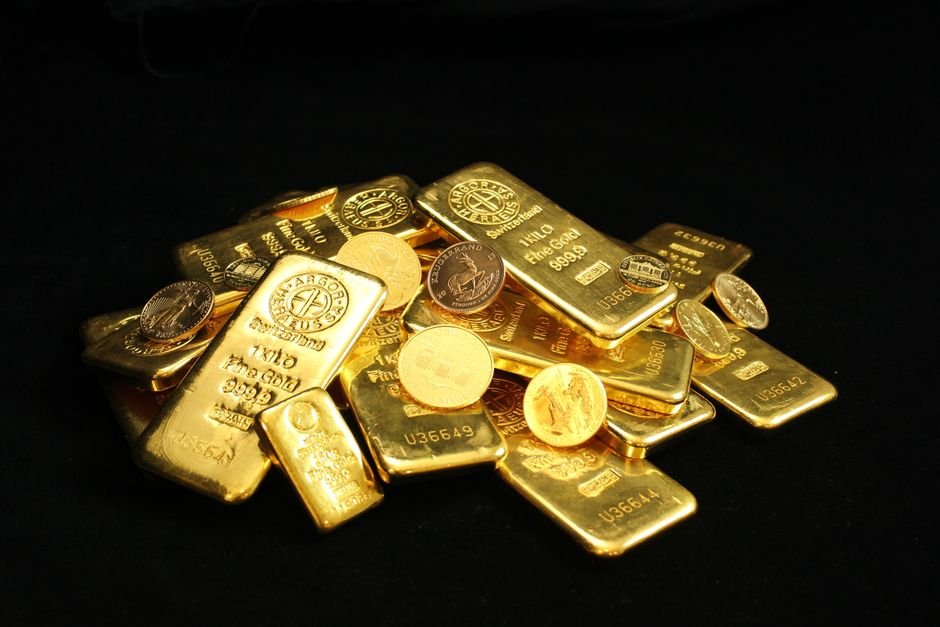
Not every gold or silver product qualifies for an IRA, and even outside of an IRA, product selection matters. For a Precious Metals IRA, the IRS requires gold to be at least .995 fine and silver to be at least .999 fine. Common qualifying products include the American Gold Eagle, American Gold Buffalo, Canadian Gold Maple Leaf, and a range of approved silver coins and bars.
For physical holdings outside of a retirement account, you have more flexibility. Sovereign coins like the American Eagle, Canadian Maple Leaf, and South African Krugerrand are widely recognized and easy to buy and sell. Standard one-ounce and fractional gold coins, as well as silver rounds and bars, are practical choices that offer straightforward pricing tied to current spot price.
When you are ready to purchase, working with a reputable dealer keeps the process transparent. Absolute Bullion offers a clear selection of coins and bars priced competitively at current spot price, making it easier for retirement savers to understand exactly what they are buying and what they are paying.
Costs and Risks to Understand Before You Start
Precious metals come with costs that stocks and bonds typically do not. Physical metal has a premium above spot price that covers minting, fabrication, and dealer costs. A Gold IRA adds custodian fees, storage fees, and sometimes setup charges. These are real expenses that affect your total return, so it pays to compare fees carefully before opening an account or making a large purchase.
Liquidity is another consideration. Physical gold and silver are generally liquid assets, but selling them is not as instant as clicking a button in a brokerage account. Plan your holdings with that in mind, especially if you anticipate needing to draw on your retirement savings in the short term.
Price volatility is real. Gold and silver can experience significant price swings over months or years. A long-term perspective — consistent with retirement investing in general — smooths out much of that volatility, but you should be mentally prepared for periods when your metals position declines in value.
Practical Steps to Get Started
- Assess your current allocation. Review your existing retirement accounts and determine how much exposure you already have to equities, bonds, and real assets.
- Set a target percentage. Decide on a metals allocation that fits your personal risk tolerance and timeline.
- Choose your approach. Decide between a Precious Metals IRA, physical holdings, ETFs, or a combination of these methods.
- Research custodians and dealers. For a Gold IRA, select an IRS-approved custodian and a trustworthy dealer with transparent pricing.
- Start with core products. Widely recognized coins and standard bars are the easiest to price, buy, and eventually sell.
- Review and rebalance annually. Check your metals allocation once a year and adjust if it has drifted significantly from your target.
Diversifying your retirement portfolio with precious metals is not about chasing returns — it is about building a more resilient financial foundation for the years when you will depend on your savings most. By understanding your options, controlling your costs, and starting with a thoughtful allocation, you can add a meaningful layer of protection to your retirement strategy. Visit absolutebullion.com to explore current product offerings and find live pricing on gold, silver, and more as you take your next step toward a well-rounded retirement plan.
