
Market Insights
Palladium: The Precious Metal Most Investors Are Overlooking in 2025
Aug
When most people think about precious metals, gold and silver dominate the conversation. Platinum gets an occasional mention. But palladium? It rarely makes the list — even though it has one of the most compelling stories in the entire precious metals market. In 2025, that overlooked status may represent a genuine opportunity for investors willing to do a little homework. Here is what you need to know about palladium before the broader market catches on.
What Is Palladium and Where Does It Come From?
Palladium is a silvery-white metal that belongs to the platinum group of elements, a family that also includes platinum, rhodium, ruthenium, iridium, and osmium. It was discovered in the early nineteenth century and named after the asteroid Pallas. Like its close relatives, palladium is extremely rare, resistant to corrosion, and capable of withstanding very high temperatures — properties that make it extraordinarily useful in industrial settings.
What makes palladium’s supply picture unique is how geographically concentrated its mining is. The vast majority of the world’s palladium comes from just two countries: Russia and South Africa. A small but meaningful portion also comes from Canada and the United States. That narrow supply base makes palladium especially sensitive to geopolitical events, labor strikes, and mining disruptions — factors that can move the price quickly and dramatically.
Because palladium is often mined as a byproduct of platinum and nickel operations rather than as a primary target, producers cannot simply ramp up output when demand rises. This structural constraint on supply is one of the core reasons palladium deserves serious attention from precious metals investors.
The Industrial Demand Story Behind Palladium
Unlike gold, which is driven primarily by investment demand and jewelry, palladium’s price is closely tied to industrial use. The single largest application is catalytic converters in gasoline-powered automobiles. Catalytic converters use palladium to convert harmful exhaust gases — including carbon monoxide and hydrocarbons — into less harmful substances before they leave the tailpipe. Every gasoline-powered car built today requires a small but meaningful amount of palladium to meet emissions regulations around the world.
As global emissions standards have tightened over the past two decades, automakers have been required to load more palladium into each catalytic converter to meet the stricter requirements. This rising intensity of use per vehicle added consistent upward pressure to palladium demand for years, even when overall car sales were flat. The relationship between environmental regulation and palladium demand is one of the most direct industrial demand stories in the metals market.
Beyond automotive, palladium is used in electronics manufacturing, dentistry, and certain chemical production processes. While these sectors represent a smaller share of overall demand than the auto industry, they contribute to a broad industrial base that supports the metal’s long-term relevance.
The Electric Vehicle Question and What It Really Means
The most common concern investors raise about palladium is the rise of electric vehicles. EVs do not have internal combustion engines, so they do not need catalytic converters — and therefore do not use palladium. If the world transitions entirely to electric vehicles, the argument goes, palladium demand could collapse. It is a fair concern, and it deserves a straightforward answer.
The reality is that the transition to electric vehicles is a decades-long process, not an overnight switch. The global fleet of gasoline-powered vehicles numbers in the billions, and even aggressive EV adoption projections show internal combustion engines remaining the majority of new vehicle sales through the foreseeable future in many parts of the world. Meanwhile, emissions regulations in major markets continue to tighten, which keeps the per-vehicle palladium loading high for every gasoline car still being built.
Hybrid vehicles, which combine an electric motor with a gasoline engine, actually continue to use catalytic converters and therefore still require palladium. As hybrids become a popular middle step in the EV transition for many consumers, they extend the runway for palladium’s automotive demand. The EV risk is real but is likely priced in over a much longer timeline than short-term headlines suggest.
How Palladium Compares to Gold, Silver, and Platinum
Investors who are new to palladium often want to understand how it fits alongside the more familiar precious metals in a portfolio. Here are a few key distinctions worth knowing:
- Rarity: Palladium is rarer than both gold and silver, with annual mine production measured in a fraction of what gold miners produce each year.
- Price drivers: Gold is driven heavily by monetary policy, inflation expectations, and investor sentiment. Palladium is driven primarily by industrial demand, making it a different kind of exposure in a precious metals portfolio.
- Volatility: Because palladium’s supply base is narrow and its demand is tied to the auto industry, it can experience sharper price swings than gold or silver.
- Portfolio diversification: Holding palladium alongside gold and silver gives an investor exposure to both monetary and industrial demand cycles, which do not always move in the same direction at the same time.
Platinum and palladium are often confused because they look similar and share many industrial uses. The key difference is that platinum is more commonly used in diesel engines while palladium dominates gasoline applications. Both metals can play a role in a well-rounded precious metals strategy.
Practical Ways to Add Palladium to Your Portfolio
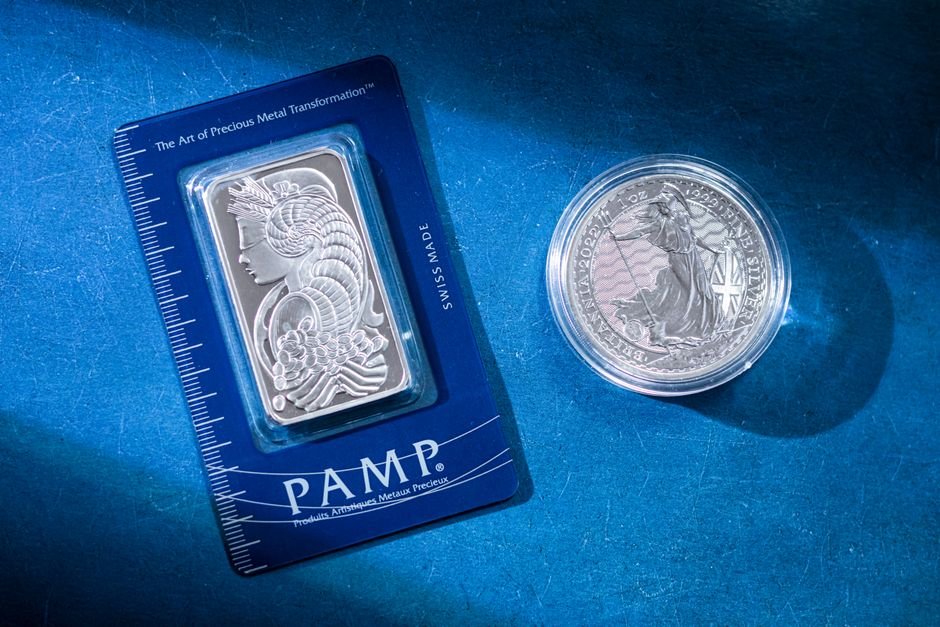
For investors who are convinced by the palladium story, the next question is how to actually own it. The most straightforward approach is physical ownership — palladium bars and coins that you hold directly, free from counterparty risk. Physical palladium is available in a range of sizes, making it accessible at various price points based on current spot price.
When buying physical palladium, keep these practical points in mind:
- Buy from a reputable dealer. Work with an established precious metals dealer who sources from recognized mints and refiners. Absolute Bullion offers palladium products priced at current spot price, with transparent premiums and secure shipping to customers across the United States.
- Consider storage. Like all precious metals, physical palladium needs to be stored securely — either in a home safe or through a professional vault storage service.
- Think in terms of allocation, not concentration. Most financial advisors who discuss precious metals suggest treating them as one component of a diversified strategy, not as a standalone portfolio.
- Keep records. Track your purchase price and documentation carefully for tax reporting purposes.
Why 2025 May Be the Right Time to Pay Attention
Palladium has experienced significant price fluctuations over the past several years, moving from historic highs to periods of correction. That kind of cycle can be discouraging to momentum investors but may create an opportunity for patient, fundamentals-focused buyers who believe in the long-term supply-demand story. When a metal with genuinely constrained supply and durable industrial demand falls out of the headlines, that is often when careful investors take a closer look.
Geopolitical uncertainty surrounding major palladium-producing regions has not diminished. Global automakers continue to build gasoline-powered vehicles by the tens of millions. And the general investing public remains largely unaware that palladium even exists as an investable asset. That combination — tight supply, persistent demand, and low investor awareness — is worth taking seriously.
If you are ready to explore palladium as part of your precious metals strategy, visit absolutebullion.com to browse available palladium products, check live pricing, and connect with a team that can help you make an informed decision. The investors who benefit most from any market opportunity are typically the ones who show up before the crowd does.
