
Market Insights
Gold Supply and Demand Fundamentals Explained: What Every Investor Should Know
Jun
Gold has fascinated humanity for thousands of years, but if you want to make smart decisions as an investor today, you need to move past the mystique and understand the basic economics at work. Like any commodity, gold’s price is shaped by the forces of supply and demand. What makes gold unique is that those forces are unusually complex, pulling from central banks, jewelry workshops, technology factories, and financial markets all at once. Understanding these fundamentals gives you a much clearer picture of why gold behaves the way it does — and why so many investors treat it as a core part of a balanced portfolio.
Where Does the World’s Gold Supply Come From?
The global gold supply comes from two primary sources: newly mined gold and recycled gold. Mining is the larger of the two, with thousands of tons extracted from the earth each year across major producing countries including China, Australia, Russia, Canada, and the United States. Mining output tends to be relatively stable from year to year because opening a new mine takes years of planning, permitting, and capital investment. That means the supply side of the gold market cannot respond quickly to sudden price changes the way, say, a factory producing electronics might.
Recycled gold — sometimes called scrap gold — makes up the second significant piece of supply. When gold prices rise sharply, more consumers and businesses sell old jewelry, industrial scrap, and other gold-containing materials back into the market. This creates a natural feedback loop that adds some flexibility to the supply side. However, recycled gold alone has never been enough to dramatically flood the market, which is one reason gold prices tend to hold up better than many other commodities during periods of uncertainty.
It is also worth noting that above-ground gold stocks accumulated over centuries are enormous relative to annual mine output. This means gold is never truly “used up” the way oil is. Almost all the gold ever mined still exists in some form, which is part of what gives gold its unique monetary character among commodities.
The Many Faces of Gold Demand
Demand for gold comes from several distinct sectors, and understanding each one helps explain why the metal can be so resilient across different economic environments. The largest demand category globally is jewelry. Countries like India and China have deeply rooted cultural traditions around gold jewelry, particularly for weddings and festivals, making consumer demand in these regions a powerful and fairly consistent driver of the market.
The second major demand category is investment. This includes physical gold in the form of coins and bars, gold-backed exchange-traded funds (ETFs), and futures contracts. Investment demand is far more sensitive to economic conditions than jewelry demand. When inflation rises, currencies weaken, or financial markets become volatile, investors often increase their gold holdings as a store of value and a hedge against uncertainty. This surge in investment demand is frequently what drives the largest moves in gold prices.
Industrial and technology demand rounds out the picture. Gold is an exceptional conductor of electricity and is highly resistant to corrosion, making it valuable in electronics, medical devices, and aerospace applications. While technology demand is smaller than jewelry or investment demand in volume, it is steady and growing with the expansion of advanced manufacturing worldwide.
The Role of Central Banks
One of the most important — and sometimes overlooked — factors in gold demand is central bank buying and selling. Governments and their central banks hold gold as a reserve asset alongside foreign currencies. For much of the late 20th century, many Western central banks were net sellers of gold. That trend reversed notably in the years following the 2008 financial crisis, with central banks in emerging market economies — including China, India, Turkey, and Poland — becoming consistent net buyers.
When central banks buy gold in large quantities, they remove significant supply from the open market, putting upward pressure on prices. Central bank demand is driven by a desire to diversify away from the U.S. dollar and other reserve currencies, reduce geopolitical risk in their reserves, and hold an asset that carries no counterparty risk. These motivations are structural rather than speculative, which means central bank buying tends to be a long-term, steady source of demand rather than a short-term trade.
How Supply and Demand Interact With Price
In most markets, higher prices encourage more supply and discourage demand until a new equilibrium is found. Gold follows this general rule, but with important quirks. On the supply side, higher prices do incentivize more exploration and mining investment, but those projects take years to come online. On the demand side, higher prices can actually attract more investment buyers who see momentum in the market, rather than fewer — the opposite of what happens with most consumer goods.
This dynamic means gold prices can sustain extended rallies driven by investor sentiment and macroeconomic anxiety, even when fundamental supply and demand factors alone might not justify rapid price increases. Conversely, when investor sentiment shifts, prices can pull back even if underlying jewelry and industrial demand remains solid. The lesson here is that gold’s price is always a blend of fundamental economics and market psychology, and smart investors pay attention to both.
What This Means for Physical Gold Buyers
Understanding supply and demand fundamentals is directly useful if you are buying physical gold. Here are the practical takeaways:
- Timing and patience matter. Because supply responds slowly to price changes, periods of high demand can sustain elevated prices for extended stretches.
- Global events move the market. Currency crises, geopolitical tensions, and central bank policy announcements can shift demand quickly and dramatically.
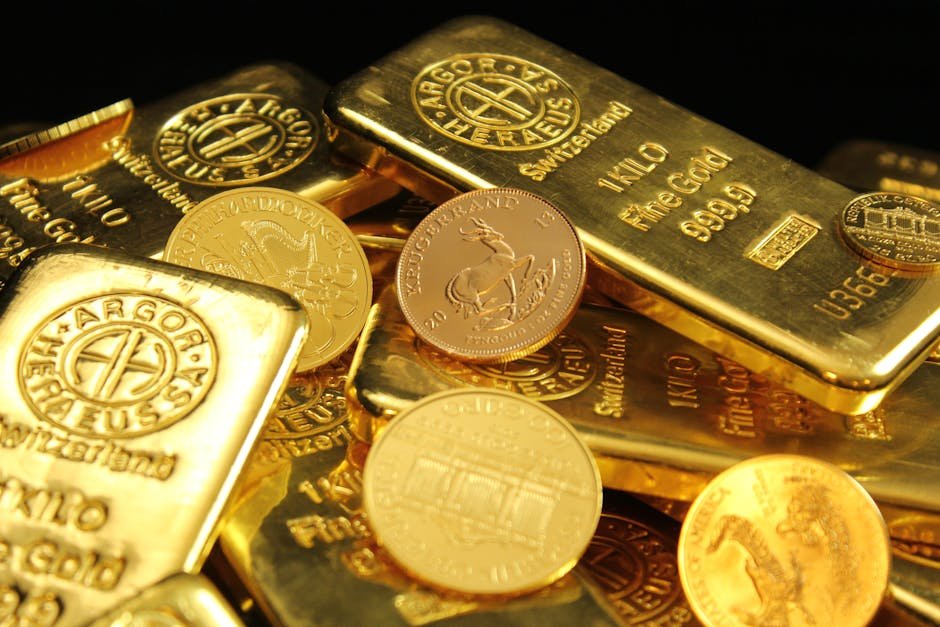
- Physical gold holds intrinsic value. Unlike paper financial instruments, physical coins and bars represent real metal that will always have industrial and cultural value, independent of market sentiment.
- Premiums over spot vary. When investment demand spikes, premiums on physical gold coins and bars can rise above the standard markup as dealers work to source inventory.
- Diversification is the goal. Most financial advisors suggest gold as one component of a broader portfolio rather than a single-asset strategy.
If you are ready to start buying physical gold, checking live pricing at absolutebullion.com gives you a clear starting point. Absolute Bullion offers a straightforward selection of gold coins and bars at competitive prices tied to current spot price, so you always know exactly what you are paying and why.
Conclusion: Knowledge Is Your Best Asset
Gold supply and demand fundamentals are not just academic topics — they are the foundation of any intelligent decision to buy, hold, or sell physical gold. When you understand where supply comes from, what drives demand across jewelry, investment, and industry, and how central banks influence the market, you are far better equipped to read the headlines and act with confidence. Gold has maintained its value through economic cycles, currency collapses, and global crises for centuries. That track record is not an accident — it reflects the deep, durable economics behind this remarkable metal. Visit absolutebullion.com today to explore your options and take your first step toward owning physical gold.
