
Market Insights
Why Paper Currency Loses Value Over Time (And What You Can Do About It)
Oct
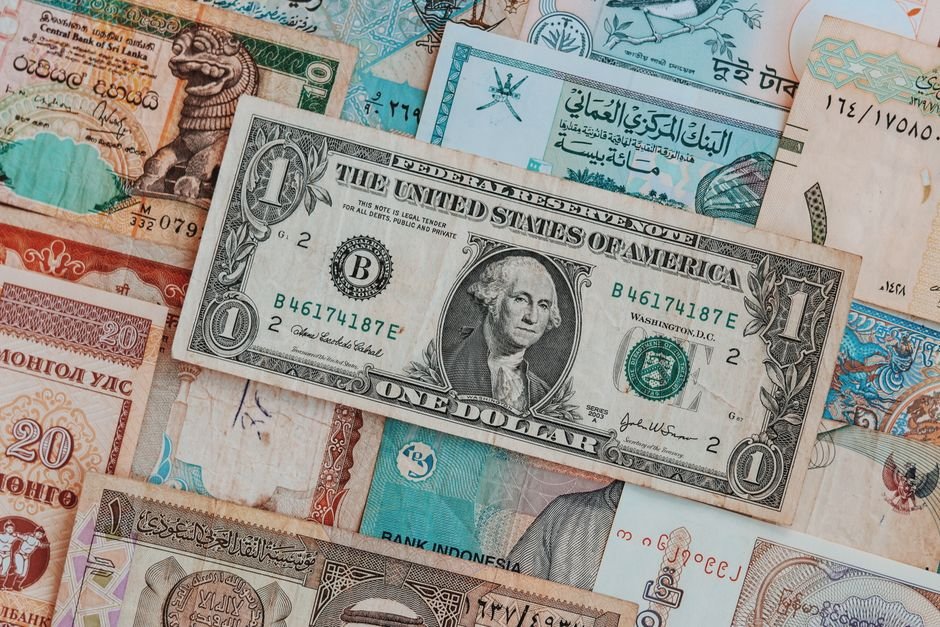
If you have ever noticed that a dollar does not stretch as far as it used to, you are not imagining things. Paper currency has a long and well-documented history of losing purchasing power over time. This is not a conspiracy theory or a fringe financial idea — it is a basic feature of how modern money works. Understanding why this happens is the first step toward protecting yourself. And once you understand the problem, physical precious metals start to look like a very practical part of the solution.
How Paper Money Gets Its Value — And Loses It
Modern paper currency is what economists call fiat money. That means it has value because a government says it does, not because it is backed by a physical commodity like gold or silver. For most of human history, currencies were tied to precious metals. The United States officially ended the last link between the dollar and gold in 1971, when President Nixon closed the gold window. Since then, the dollar has been purely fiat.
The practical consequence of fiat money is that governments and central banks can create more of it whenever they choose. When the supply of money in circulation grows faster than the supply of goods and services in the economy, each individual dollar buys less than it did before. That is inflation, and it is the primary reason paper currency loses purchasing power over time. It is not a rare or unusual event — it is the normal condition of fiat money systems.
Central banks around the world openly target a steady rate of inflation, typically around two percent per year. Even at that modest target, the cumulative effect over decades is significant. A dollar that bought a certain basket of goods decades ago buys a fraction of that same basket today. The erosion is slow, but it is relentless.
The Role of Money Printing and Government Debt
Beyond normal monetary policy, governments sometimes expand the money supply dramatically in response to crises. Major spending programs, economic stimulus packages, and emergency lending can all pump large amounts of new currency into the system in a short period of time. When that happens, inflation can accelerate well beyond the target rate, as many people experienced in the early 2020s.
Government debt also plays a role. When a government carries an enormous national debt, one way to make that debt more manageable over time is to allow inflation to reduce the real value of what is owed. In other words, the government repays old debts with dollars that are worth less than the dollars originally borrowed. This is sometimes called the inflation tax, because it quietly transfers purchasing power away from savers and toward debtors.
The key takeaway is that the forces pushing paper currency toward lower purchasing power are structural and persistent. They are built into the system, not accidents or exceptions. Waiting for the problem to go away on its own is not a realistic plan.
Why Precious Metals Have Held Their Value
Gold and silver cannot be printed. No government decree can create more of them. They have to be found, mined, refined, and brought to market through an expensive and time-consuming process. This natural scarcity is what has made precious metals a reliable store of value across thousands of years and dozens of civilizations.
While gold and silver prices fluctuate in the short term, their long-run purchasing power has remained remarkably stable compared to paper currencies. An ounce of gold has historically been able to purchase roughly the same quantity of real goods — food, clothing, shelter — across very long stretches of time. The same cannot be said for any fiat currency that has ever existed.
Silver shares similar properties. It has served as money for millennia, and its dual role as both a monetary metal and an industrial commodity gives it demand from multiple directions. Both metals represent a way to hold savings outside the banking system, in a form that no government can devalue with a printing press.
Practical Ways to Add Precious Metals to Your Financial Life
Getting started with physical precious metals is more straightforward than many people expect. Here are some practical steps to consider:
- Start with coins and bars in small denominations. You do not need to buy a large amount to get started. One-ounce gold coins, fractional gold coins, and one-ounce silver rounds or bars are all accessible entry points. Smaller units also give you more flexibility if you ever want to sell or trade a portion of your holdings.
- Understand the difference between spot price and dealer price. The spot price is the live global market price for the metal. Dealers charge a small premium above spot to cover minting, handling, and business costs. Always compare total cost per ounce, not just the headline price.
- Buy from a reputable dealer. This is not the place to cut corners. Work with an established dealer who is transparent about pricing and product sourcing. Absolute Bullion, based in California, offers a straightforward buying experience with clear pricing on coins, bars, and rounds in both gold and silver.
- Store your metals securely. Physical precious metals need physical security. Options include a quality home safe, a bank safe deposit box, or a third-party secure storage facility. Each option has trade-offs in cost, accessibility, and privacy — choose the one that fits your situation.
- Think in terms of a long time horizon. Precious metals are not a way to generate quick profits. They are a long-term store of value and a hedge against the steady erosion of purchasing power. Buy with patience, not with speculation.
Common Misconceptions About Owning Physical Metal
Some people assume that precious metals are complicated, illiquid, or only for the very wealthy. None of these things are true. Silver in particular is accessible at current spot price levels that allow almost anyone to purchase at least a small amount. Gold is more expensive per ounce, but fractional coins make it possible to own a meaningful quantity without a large single purchase.
Others worry that they will not be able to sell their metals when the time comes. In reality, gold and silver have deep global markets. Coins and bars from recognized mints are accepted by dealers worldwide, and the process of selling is typically simple and fast. Liquidity is rarely a practical problem with standard bullion products.
It is also worth noting that owning physical metal is very different from owning a gold ETF or a mining stock. Those paper instruments carry counterparty risk — the risk that someone else may not fulfill their obligation. Physical metal in your possession carries no such risk. You own it outright, with no intermediary between you and the asset.
Getting Started Without Overcomplicating It
The most important thing you can do is simply begin. You do not need a perfect plan, a large budget, or a deep knowledge of commodities markets. Start small, buy from a trusted source, store your metals safely, and add to your holdings gradually over time. Review your allocation periodically and adjust as your financial situation evolves.
Protecting your purchasing power is a long game, and precious metals are one of the oldest tools humans have ever used to play it well. The forces eroding paper currency are not going away. The good news is that a straightforward, accessible alternative has been available for thousands of years.
Ready to take the first step? Visit absolutebullion.com to browse current inventory, check live pricing on gold and silver bullion, and find the right starting point for your situation. Your purchasing power is worth protecting — and it has never been easier to start.
