
Market Insights
Kilo Gold Bar Buying Guide: Everything You Need to Know Before You Invest
Jun
A kilo gold bar is one of the most efficient ways to own physical gold. At roughly 32.15 troy ounces of pure gold, a single kilo bar lets you hold serious wealth in a compact, tangible form. Whether you are diversifying a portfolio, protecting savings from inflation, or simply accumulating wealth outside the financial system, the kilo bar deserves a close look. Before you commit to a purchase of this size, though, there are several things every buyer should understand — from how these bars are made to how to store and eventually sell them.
What Exactly Is a Kilo Gold Bar?
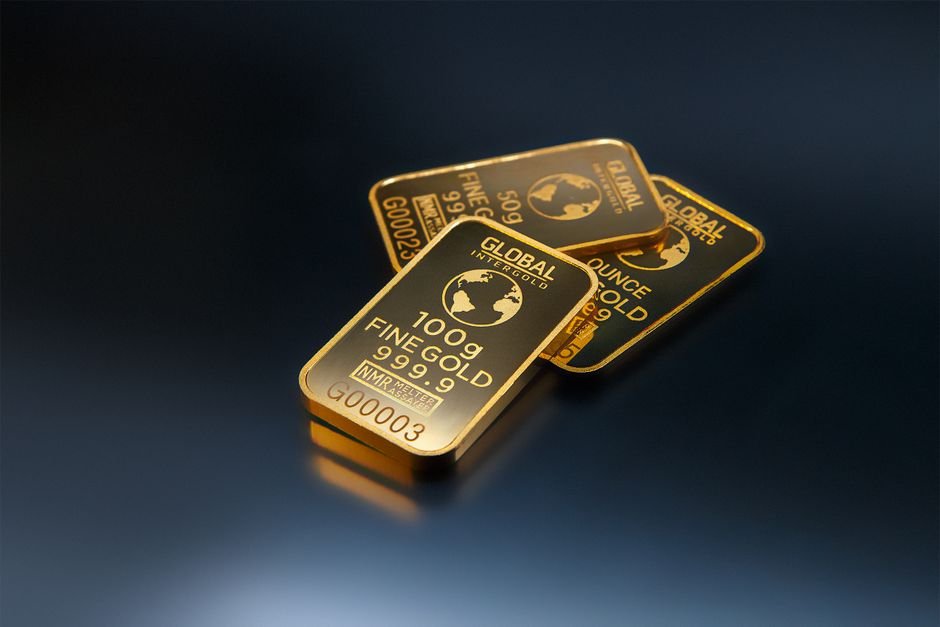
A kilo gold bar weighs exactly one kilogram, which equals 1,000 grams or approximately 32.15 troy ounces. Most kilo bars sold by reputable dealers are .9999 fine gold, meaning they are 99.99% pure. You will also find some bars at .999 fine, which is still considered investment-grade gold. Both purities are widely accepted in global markets.
Kilo bars are produced by a range of government mints and private refiners. Respected names include PAMP Suisse, Valcambi, Perth Mint, and the Royal Canadian Mint, among others. Each bar typically carries the refiner’s hallmark, the weight, the purity stamp, and a unique serial number. That serial number is important — it links the bar to an assay certificate, which documents the bar’s authenticity and exact specifications.
There are two main types of kilo bars you will encounter: cast bars and minted bars. Cast bars are made by pouring molten gold into a mold. They have a rougher, more industrial appearance and tend to carry a lower premium over spot. Minted bars are precision-cut from a rolled gold sheet, resulting in a sharper, more refined look. Minted bars usually cost slightly more but are often preferred by collectors and buyers who plan to resell easily.
Why Buy a Kilo Bar Instead of Smaller Denominations?
The most compelling reason to buy a kilo bar is the lower premium per ounce. When you purchase gold in smaller denominations — one-ounce bars, half-ounce coins, or fractional pieces — you pay a higher markup above the spot price because the manufacturing cost is spread over fewer ounces. A kilo bar spreads that cost across 32.15 ounces, which typically means a noticeably lower premium per ounce compared to smaller products.
For buyers who want to accumulate a meaningful gold position as efficiently as possible, the kilo bar makes practical sense. You are getting more gold for each dollar of premium you pay. That efficiency compounds as your holdings grow.
The tradeoff is liquidity. A kilo bar represents a large chunk of capital in a single piece. If you need to sell a portion of your gold holdings, you cannot break off a few ounces from a kilo bar. Buyers who want maximum flexibility often split their gold between kilo bars for cost efficiency and smaller coins or bars for easy, partial liquidation.
How to Verify Authenticity Before You Buy
Counterfeit gold products exist, and a kilo bar is an attractive target for fraudsters given its high value. Protecting yourself starts with buying only from established, reputable dealers. Always insist on bars that come with a matching assay card or certificate in sealed, original packaging. Breaking the seal on a PAMP Suisse or Valcambi package, for example, voids the assay guarantee, so keep packaging intact whenever possible.
Beyond packaging, there are physical tests a buyer can request or perform. Ultrasonic thickness testing can detect tungsten-filled fakes without damaging the bar. A professional XRF (X-ray fluorescence) analyzer can confirm gold content non-destructively in seconds. Reputable dealers use these tools routinely. If a seller cannot verify the bar’s authenticity with confidence, walk away.
Weight and dimensions also matter. Genuine kilo bars have precise, standardized measurements. A simple gram scale accurate to 0.01 grams and a set of calipers let you compare your bar’s readings against published specifications for that refiner’s product. Any significant discrepancy is a red flag that warrants further testing.
Understanding Premiums and What You Are Actually Paying
The price of any gold bar is made up of two components: the spot price of gold and the dealer’s premium. The spot price is the current market price for one troy ounce of gold, updated continuously during trading hours. The premium covers refining, minting, shipping, insurance, and the dealer’s margin.
Kilo bar premiums are generally among the lowest in the retail gold market, but they are not zero. Premiums vary based on the refiner (branded bars from PAMP or Valcambi carry a slightly higher premium than generic cast bars), current market demand, and the dealer you choose. When comparing prices, always look at the total cost per troy ounce, not just the listed bar price, to make a true apples-to-apples comparison.
At Absolute Bullion, kilo gold bar prices are updated in real time based on current spot prices. You can check live pricing at absolutebullion.com and compare available products to find the bar that fits your budget and preference. Avoid any dealer that quotes vague or delayed pricing — transparency is a basic standard in this industry.
Safe Storage Options for a Kilo Gold Bar
Once you own a kilo bar, storage becomes a top priority. Gold is dense and durable, but it is also a target for theft. Your storage solution needs to balance security, accessibility, and insurance coverage.
Common options include:
- Home safe: A heavy, bolted, fireproof safe offers convenient access. Choose a safe with a high burglary rating and bolt it to a concrete floor or wall. Keep its existence private.
- Bank safe deposit box: Low-cost and physically secure, though bank hours limit access and contents are typically not insured by the bank itself. Separate insurance is advisable.
- Private vault storage: Third-party vaulting companies specialize in precious metals storage and typically offer full insurance, allocated storage, and regular auditing. This is often the best choice for larger holdings.
Whichever option you choose, document your holdings thoroughly. Keep a record of each bar’s serial number, photos of both sides, and copies of your assay certificates stored separately from the physical gold.
When and How to Sell a Kilo Gold Bar
Selling a kilo gold bar is generally straightforward when you work with established dealers. Reputable buyers will assess the bar, verify its authenticity, and offer you a price based on current spot plus a spread. Because kilo bars from major refiners are recognized globally, they tend to sell quickly and without dispute.
Keep your original assay card and packaging intact. A bar in original, sealed packaging from a recognized refiner commands better pricing than one without documentation. If you have had the packaging opened for testing, retain any certificates and testing records to reassure future buyers.
Timing your sale around your own financial needs is more practical than trying to perfectly time the gold market. Gold is a long-term store of value, not a short-term trading instrument for most buyers.
A kilo gold bar is a powerful tool for building and preserving wealth, and for the right buyer, the economics are hard to beat. The key is to buy from trusted sources, verify what you are getting, and store it properly from day one. If you are ready to explore your options, visit absolutebullion.com to browse current inventory and live pricing from a California dealer committed to transparency and quality.
