
Market Insights
How to Store Gold at Home Safely: Best Practices for Protecting Your Investment
Aug
Buying gold is a smart way to diversify your savings and hold a tangible asset outside the financial system. But once you take delivery of gold coins or bars, a new responsibility kicks in: keeping them safe. Storing gold at home is entirely legal and very common, but it does require some planning. A careless storage decision can lead to theft, damage, or loss — outcomes that no amount of careful buying can fix. This guide walks you through the best practices so your gold stays protected from the moment it arrives at your door.
Choose the Right Safe — and Bolt It Down
The single most important step in home gold storage is buying a quality safe. Not all safes are equal. Look for a model that is rated for burglary resistance, not just fire protection. A fire-resistant document safe may protect paper records, but it is usually far too lightweight and easy to carry away for storing precious metals. A dedicated burglary-rated safe will have heavy steel walls and a locking mechanism that resists drilling and prying.
Weight matters. A safe that can be lifted by one or two people is a portable target. Look for a unit that weighs at least 200 pounds when empty, or plan to anchor it permanently. Bolting your safe to the floor or wall using the anchor holes most quality safes provide is one of the most effective theft deterrents available. A thief who cannot move the safe in seconds is far more likely to leave empty-handed.
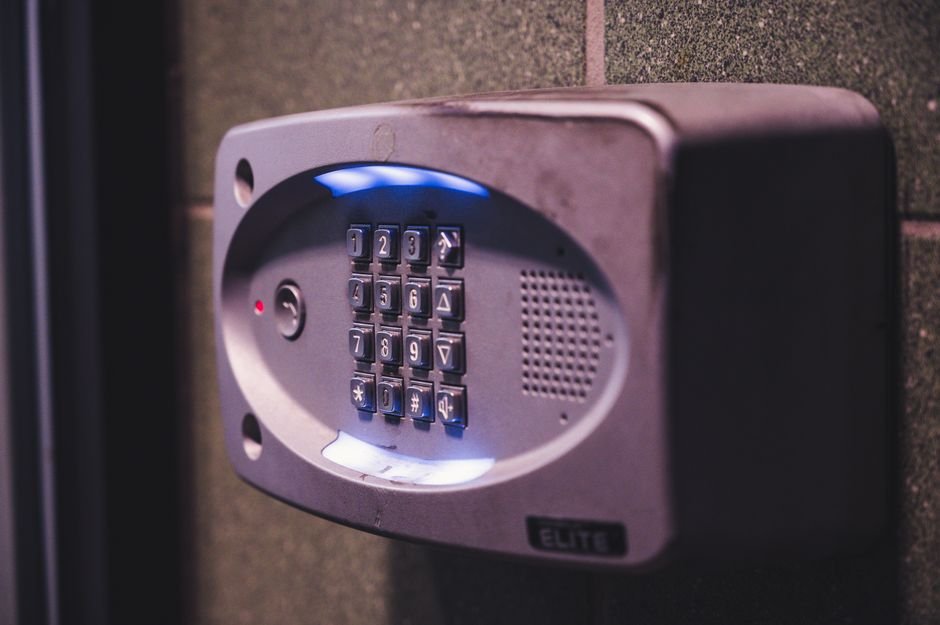
Consider a combination lock or electronic keypad with a backup key option. Mechanical combination locks have no electronics to fail, while electronic keypads offer quick access. Whichever you choose, store the backup access information in a secure location separate from the safe itself — not taped to the inside of a nearby cabinet drawer.
Location Is Everything
Where you place your safe inside your home matters almost as much as the safe itself. Avoid obvious locations like the master bedroom closet — that is the first place most burglars check. A basement utility room, a locked home office, or a closet in a less-trafficked part of the house are all better choices. If you can conceal the safe behind furniture, a false wall panel, or under flooring, that adds another layer of security.
Keep your storage location private. The fewer people who know where your gold is kept, the better. This includes casual mentions to neighbors, social media posts, or conversations at parties. Burglars frequently act on information gathered from people who know the homeowner. Discretion is one of the cheapest and most effective security tools available to you.
Protect Your Gold from Environmental Damage
Gold itself does not tarnish or corrode, but the coins and bars you hold can still suffer damage that reduces their value. Moisture is the primary concern. High humidity inside a poorly ventilated safe can cause spotting or toning on gold, and it can seriously damage any silver you store alongside it. Place silica gel desiccant packets inside your safe and replace them periodically to keep humidity levels low.
Handle your gold carefully. Fingerprints leave oils on the surface that can cause spotting over time, especially on proof coins. Use clean cotton or nitrile gloves when handling individual pieces, and keep coins in their original mint packaging or in inert, acid-free holders. Avoid PVC-based flips or holders — PVC off-gasses over time and can damage coin surfaces. Keeping your gold in good condition protects both its numismatic appeal and its resale value.
Consider Insurance for Your Holdings
A quality safe reduces the risk of theft, but it does not eliminate it entirely. Homeowner’s and renter’s insurance policies typically have strict limits on how much they will pay out for jewelry, coins, or precious metals — often just a few hundred to a couple thousand dollars. If you are storing significant gold holdings at home, that standard coverage is almost certainly not enough.
Contact your insurance agent and ask specifically about a scheduled personal property endorsement or a separate valuable items floater. These additions allow you to list your gold holdings specifically and insure them for their actual market value. You will likely need documentation such as receipts, photographs, and appraisals. Keep these records stored digitally in a secure cloud account or in a bank safe deposit box — not inside the same safe as your gold.
Build a Simple Record-Keeping System
Knowing exactly what you own is essential for insurance claims, estate planning, and eventual resale. Create a simple inventory that lists each coin or bar by type, weight, mintmark, year, quantity, and purchase price. Photograph every piece before you store it. Store this inventory and the photos somewhere other than your home safe — a secure digital folder, a bank safe deposit box, or with a trusted attorney works well.
Good records also make selling easier. When you eventually decide to liquidate part of your holdings, a buyer will want to verify authenticity and provenance. Having original purchase receipts from a reputable dealer like Absolute Bullion makes that process smoother and may even support a better price. Document everything from the start and update your records every time you add new pieces.
Know When to Use a Professional Vault Instead
Home storage is practical and cost-effective for modest holdings, but there is a point at which the value of your gold exceeds what is reasonable to keep at home. Professional vault storage through a secure third-party depository offers high-grade physical security, climate control, and independent insurance — usually at a reasonable annual fee relative to the value being protected.
A split strategy works well for many gold owners: keep a small, accessible portion at home for liquidity and peace of mind, and store the bulk of your holdings in a professional facility. This approach balances convenience with security and limits your exposure in the event of a home break-in. As your stack grows, revisit this balance regularly to make sure your security arrangements still match your holdings.
Storing gold at home safely comes down to a few straightforward decisions: invest in a quality anchored safe, choose a discreet location, protect your metal from handling and humidity, insure your holdings properly, and keep organized records. None of these steps is complicated, but together they form a strong foundation for protecting what you have worked to acquire. If you are ready to start or expand your gold holdings, visit absolutebullion.com to browse current inventory and see live pricing on gold coins and bars.
