
Market Insights
Collector Gold Coins vs Investment Gold Coins: Which Should You Buy?
Oct
Gold has been a store of value for thousands of years, and today’s buyers have more options than ever when it comes to purchasing it. Walk into any reputable dealer and you’ll quickly discover that not all gold coins are created equal. Some are priced primarily for the metal they contain, while others carry a premium based on rarity, historical significance, or collector demand. Understanding the difference between collector gold coins and investment gold coins is one of the most important steps you can take before spending a single dollar on the precious metal.
What Are Investment Gold Coins?
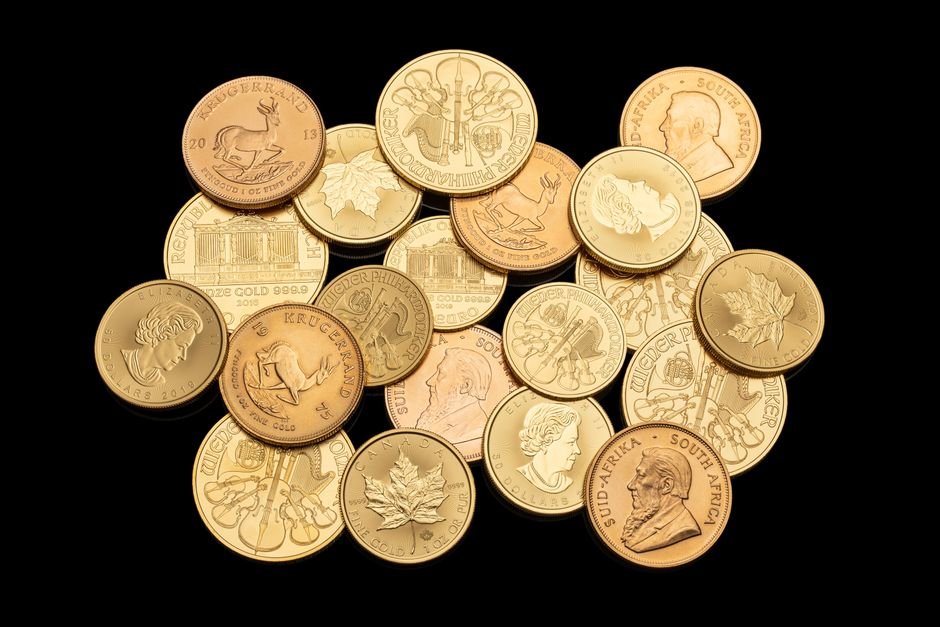
Investment gold coins — often called bullion coins — are minted by government mints around the world specifically to give buyers a straightforward, reliable way to own physical gold. Examples include the American Gold Eagle, the Canadian Gold Maple Leaf, the South African Krugerrand, and the Australian Gold Kangaroo. These coins contain a guaranteed, standardized amount of pure gold, and their value is tied closely to the current spot price of gold.
Because bullion coins are produced in large quantities, they are widely recognized and easy to buy and sell. The premium you pay over spot price is typically modest compared to collector coins, which means more of your money goes directly into the gold itself. For someone whose primary goal is owning gold as a financial asset or hedge against inflation, bullion coins are generally the most efficient entry point.
Liquidity is another major advantage. Dealers, banks, and investors worldwide recognize standard bullion coins on sight. When you decide to sell, you won’t need to find a specialized buyer — the market is broad and active. This makes bullion coins a practical choice for first-time buyers who want simplicity and flexibility.
What Are Collector Gold Coins?
Collector gold coins — commonly called numismatic coins — are valued for reasons that go beyond their metal content. Age, historical significance, mintage numbers, condition (or “grade”), and artistic design all influence their price. A nineteenth-century United States gold coin in exceptional condition, for example, can command a price that is several times greater than the value of the gold it contains.
Numismatic coins attract a dedicated community of collectors who study coin history, grading standards, and market trends. Third-party grading services such as the Professional Coin Grading Service (PCGS) and the Numismatic Guaranty Company (NGC) certify and grade coins on a standardized scale, which helps establish a coin’s condition and authenticity. A higher grade generally means a higher price, sometimes dramatically so.
The collector market operates somewhat independently from the spot price of gold. When gold prices rise or fall, numismatic coins do not necessarily follow in the same proportion. Their value is driven more by collector demand, which can be influenced by trends, economic conditions, and the availability of specific coins in the marketplace.
Key Differences You Need to Understand
The most important distinction comes down to what you are actually paying for. With a bullion coin, you are paying for gold — a small dealer premium on top of spot, and that’s largely it. With a numismatic coin, you are paying for gold plus a collectibility premium that can be substantial. That collectibility premium is not guaranteed to hold its value, and it depends heavily on finding a buyer who agrees with your valuation.
Transparency is another significant difference. The price of gold bullion is public, updated constantly, and easy to compare across dealers. Numismatic pricing is more complex. Prices in collector coin guides like the Red Book (A Guide Book of United States Coins) can serve as a reference, but actual sale prices vary widely depending on grade, eye appeal, and current collector interest.
Storage and insurance considerations apply to both, but the stakes are higher with numismatic coins. A scratched bullion coin still contains its full gold content. A scratched rare coin may lose a significant portion of its collector value instantly. That means numismatic coins often require more careful handling and specialized storage solutions.
Who Should Buy Investment Gold Coins?
If your primary goal is to preserve wealth, diversify your portfolio, or own a tangible asset that tracks the gold market, bullion coins are almost certainly the right fit. They are straightforward to understand, price, and eventually sell. You don’t need expertise in coin grading, historical context, or collector trends — you just need to know the current spot price and shop for a competitive premium.
New buyers especially benefit from starting with bullion coins. Popular options like the American Gold Eagle come in multiple sizes — one ounce, half ounce, quarter ounce, and one-tenth ounce — making it possible to start small and build your holdings gradually. The lower barrier to entry and the ease of resale make bullion coins forgiving for those still learning.
Who Should Buy Collector Gold Coins?
Collector gold coins are best suited for buyers who have a genuine interest in numismatics — the study and collection of coins — and who are willing to invest time in learning how the market works. If you enjoy the history behind a Coronet Head Liberty gold piece or a Saint-Gaudens Double Eagle, and you take satisfaction in building a curated collection, then numismatic coins can offer rewards that go beyond simple gold ownership.
It’s also worth noting that some experienced investors hold a portion of their gold in rare or semi-numismatic coins as a diversification strategy within their precious metals holdings. However, this approach requires research, patience, and ideally a relationship with a knowledgeable dealer. It is not typically recommended as a starting point for someone new to precious metals.
Practical Tips Before You Buy
- Define your goal first. Are you building financial security with gold, or starting a coin collection? The answer should guide every purchase.
- Compare premiums carefully. For bullion coins, shop around and compare the premium over spot at current spot price to ensure you’re getting a fair deal.
- Use certified coins for numismatics. When buying collector coins, stick to coins graded and slabbed by PCGS or NGC to reduce the risk of misrepresented condition.
- Ask questions. A reputable dealer will take time to explain what you’re buying and why the price is what it is.
- Start simple. Most experts suggest that new buyers begin with well-known bullion coins before exploring the numismatic market.
Whether you’re drawn to the clean simplicity of a one-ounce bullion coin or the rich history of a nineteenth-century rarity, taking the time to understand what you’re buying will make you a smarter, more confident buyer. Visit Absolute Bullion to browse a selection of gold bullion coins at current spot price, and don’t hesitate to reach out to their team with questions. The right gold purchase is the one that aligns with your goals — and that starts with knowing the difference.
