
Market Insights
Commemorative Gold Coins: Are They Worth Buying as an Investment?
Nov
Commemorative gold coins occupy a unique space in the precious metals world. They are part collectible, part historical artifact, and part gold investment — and that combination can make them genuinely appealing or quietly frustrating, depending on your goals. If you have ever seen a beautifully designed coin marking a historic event and wondered whether it makes financial sense to buy one, you are not alone. Understanding exactly what you are getting — and what you are not getting — before you spend your money is the smart move.
What Are Commemorative Gold Coins?
Commemorative gold coins are specially minted coins issued to honor a specific event, person, anniversary, or cultural milestone. They are produced by government mints around the world as well as by private mints. Some well-known examples include coins issued by the United States Mint to commemorate events like the Olympic Games or the anniversaries of national landmarks. Other countries, such as Canada, Australia, and the United Kingdom, issue their own commemoratives on a regular basis.
These coins are typically struck to proof or collector quality standards, meaning they feature highly polished surfaces, sharp details, and often unique artistic designs. Because they are produced in limited quantities and marketed heavily toward collectors, they carry a premium above and beyond the value of the gold they contain. That premium is a critical factor any buyer needs to understand from the start.
How Commemorative Coins Differ From Bullion Coins
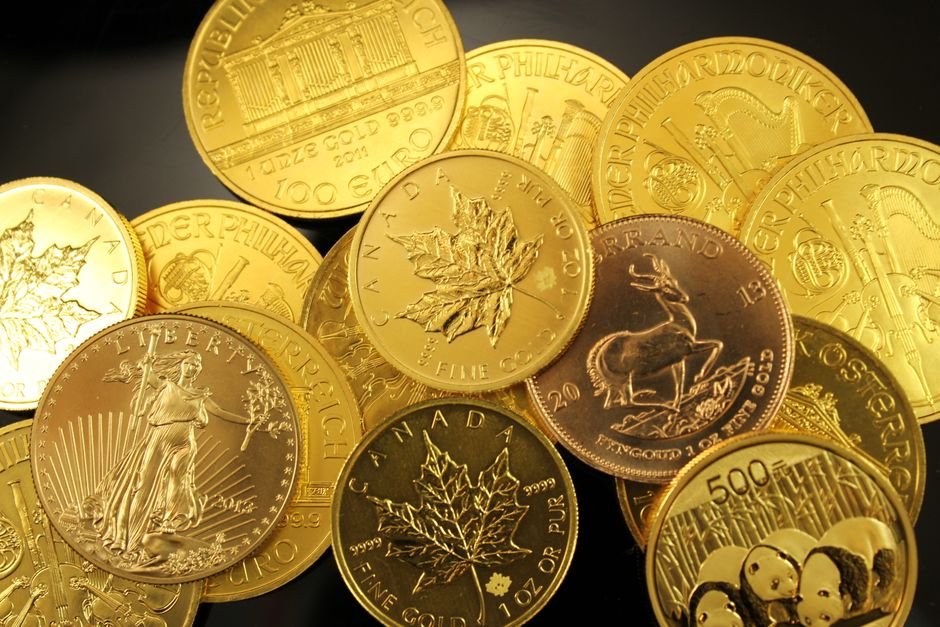
Standard bullion coins — think the American Gold Eagle, Canadian Gold Maple Leaf, or South African Krugerrand — are designed primarily as a straightforward way to own gold. Their price tracks closely with the spot price of gold, and they are widely recognized, easy to resell, and liquid in markets around the world. The premium you pay over spot on a bullion coin is typically modest and reflects manufacturing and distribution costs.
Commemorative coins work differently. Because they are sold heavily on their artistic or historical appeal, their initial retail prices often carry substantial premiums over the actual gold content. A commemorative coin containing a quarter ounce of gold might sell for two or three times what a standard quarter-ounce bullion coin would cost. That gap between the purchase price and the gold value is what makes them complicated as a pure investment vehicle.
This does not automatically make them a bad purchase — it simply means you need to be clear about why you are buying one. Are you buying it because you love the design and want to own a piece of history? Or are you buying it primarily to grow your wealth through gold? The answer should shape your decision.
The Collector Premium Problem
When you pay a large premium for a commemorative coin, you are essentially betting that future buyers will value that coin at least as much as you paid — and ideally more. For some coins, that happens. Truly rare commemoratives tied to iconic events, produced in very small mintages, and preserved in top certified condition can appreciate significantly over time. But this outcome is far from guaranteed.
The uncomfortable truth is that the secondary market for many commemorative coins is thin. There are simply fewer buyers for a niche collector coin than there are for a standard gold bullion coin. If you need to sell quickly, you may find that the coin fetches only its melt value — meaning you recover the gold content price but lose the premium you originally paid. The collector market is also subject to shifting tastes, and a coin that felt special in one decade may feel ordinary in the next.
Certified coins graded by organizations like the Professional Coin Grading Service (PCGS) or Numismatic Guaranty Company (NGC) generally hold their collector value better than ungraded coins, but even certification does not guarantee appreciation. Research the specific coin and its mintage numbers before you commit.
When Commemorative Gold Coins Can Make Sense
Despite the caveats, there are legitimate reasons to buy commemorative gold coins. Consider the following situations where a commemorative may be a reasonable choice:
- Gift-giving: A gold commemorative tied to a birth year, graduation, or historic event makes a genuinely meaningful and lasting gift with intrinsic value.
- Personal passion: If you collect coins as a hobby and find deep satisfaction in the history and artistry involved, commemoratives can enrich your collection in ways that plain bullion coins never will.
- Portfolio diversification within numismatics: Serious numismatic collectors sometimes allocate a portion of their holdings to gold commemoratives as part of a broader strategy, while keeping the bulk of their gold exposure in standard bullion.
- Low-mintage, historically significant issues: Certain commemoratives with very small mintage figures tied to events with enduring cultural significance have demonstrated meaningful collector demand over long periods.
The key in each of these cases is that the buyer enters with realistic expectations. The coin’s gold content provides a floor of value, but the premium above that floor is only recovered if future collectors agree it is worth paying.
Building a Smarter Gold Strategy
For most people who are new to precious metals and focused primarily on protecting wealth, standard bullion coins and bars are the more straightforward choice. They are priced close to spot, easy to verify, widely accepted by dealers and buyers worldwide, and simple to understand. As your knowledge and confidence grow, you can explore the numismatic side of the market more deliberately.
If you do want to include commemorative coins in your holdings, treat them as a separate category from your core bullion position rather than a substitute for it. Allocate money you are comfortable holding long-term, choose coins with strong historical relevance and low mintages, buy certified examples in the highest grades you can afford, and purchase from a reputable source. Absolute Bullion carries a range of gold coins and can help you evaluate what fits your goals, whether you are building a bullion position or exploring the collector market.
Practical Tips Before You Buy Any Commemorative Gold Coin
- Know the gold content: Confirm exactly how much gold the coin contains and compare that to the current spot price so you understand the premium you are paying.
- Research the mintage: Lower mintage numbers generally support stronger collector demand over time.
- Buy certified when possible: Third-party grading from PCGS or NGC adds transparency and protects resale value.
- Compare secondary market prices: Check auction records and dealer buy prices before purchasing, not just the retail asking price.
- Store properly: Proof-quality commemoratives are sensitive to handling. Use proper coin storage to preserve condition and value.
Commemorative gold coins can be a rewarding part of your precious metals journey, but they reward buyers who go in with their eyes open. Focus on understanding what drives their value, keep your core wealth-preservation strategy anchored in standard bullion, and treat commemoratives as the specialized niche they truly are. Visit absolutebullion.com to explore current offerings, check live pricing, and speak with knowledgeable staff who can help you make confident, well-informed decisions.
