
Market Insights
Palladium: The Precious Metal Most Investors Overlook (And Why That’s a Mistake)
May
When most people think about precious metals, gold and silver come to mind first. Platinum gets an honorable mention. But palladium? It rarely makes the list — and that oversight may be costing investors and collectors a real opportunity. Palladium is a genuine precious metal with serious industrial demand, a fascinating history, and characteristics that set it apart from everything else in the metals market. If you have never looked closely at palladium, now is a good time to start.
What Exactly Is Palladium?
Palladium is a silvery-white metal that belongs to the platinum group metals, a family that also includes platinum, rhodium, ruthenium, iridium, and osmium. It was discovered in 1803 by English chemist William Hyde Wollaston, who named it after the asteroid Pallas. Like its platinum group cousins, palladium is extremely rare, resistant to corrosion, and difficult to mine in meaningful quantities.
Most of the world’s palladium supply comes from just two countries: Russia and South Africa. This geographic concentration makes the global supply chain unusually sensitive to geopolitical events, labor disputes, and mining disruptions. When supply gets squeezed — even temporarily — prices can move sharply. That supply vulnerability is one reason palladium deserves attention from anyone who takes diversification seriously.
Palladium is also remarkably dense and durable. It can absorb large amounts of hydrogen at room temperature, a property that makes it valuable in certain chemical processes. But its most important use in the modern world is something nearly every driver encounters every day.
The Automotive Connection That Drives Demand
The single largest source of palladium demand is the automotive industry, specifically catalytic converters in gasoline-powered vehicles. A catalytic converter uses palladium — along with small amounts of platinum and rhodium — to convert harmful exhaust pollutants like carbon monoxide, hydrocarbons, and nitrogen oxides into less harmful gases before they leave the tailpipe.
As global emissions regulations have tightened over the past two decades, automakers have been required to use more palladium per vehicle to meet stricter standards. This regulatory pressure has consistently pushed industrial demand higher even as mining output struggles to keep pace. Unlike gold, which can sit in a vault indefinitely, palladium gets consumed in manufacturing — meaning new supply must continually enter the market to meet ongoing demand.
The rise of stricter emissions standards in Europe, China, and North America has been a defining force in the palladium market. While the long-term growth of electric vehicles raises questions about future catalytic converter demand, the transition is gradual, and gasoline-powered vehicles will remain the global majority for many years to come. In the near and medium term, industrial demand for palladium remains a structural force.
Why Palladium Is Different From Gold and Silver
Gold and silver have been used as money and stores of value for thousands of years. Their price movements are heavily influenced by investor sentiment, currency fluctuations, and macroeconomic fear. Palladium is different. Its price is driven primarily by real-world industrial consumption rather than financial speculation. This gives it a fundamentally different risk and return profile than monetary metals.
That industrial foundation means palladium can behave independently of gold and silver. During periods when gold is flat or declining, palladium may be rising — and vice versa. For investors who already hold gold and silver and are looking for genuine diversification within the precious metals space, palladium offers something meaningfully different rather than just more of the same.
Palladium is also produced in far smaller quantities than gold or silver, making it genuinely scarce in a way that matters. Annual mine supply is measured in millions of troy ounces, far below the billions of ounces of silver mined each year. That scarcity, combined with consistent industrial consumption, creates a supply-demand dynamic that is worth understanding before dismissing this metal as obscure.
How to Actually Buy and Hold Palladium
One of the reasons palladium gets overlooked is that many investors simply do not know how to buy it. The options are fewer than with gold and silver, but they do exist and are accessible to anyone willing to do a little homework.
- Palladium coins: Government-minted palladium coins have been produced in limited quantities over the years, including coins from the United States Mint. Because mintages are small, these coins can carry a premium over spot price but also appeal to collectors as well as investors.
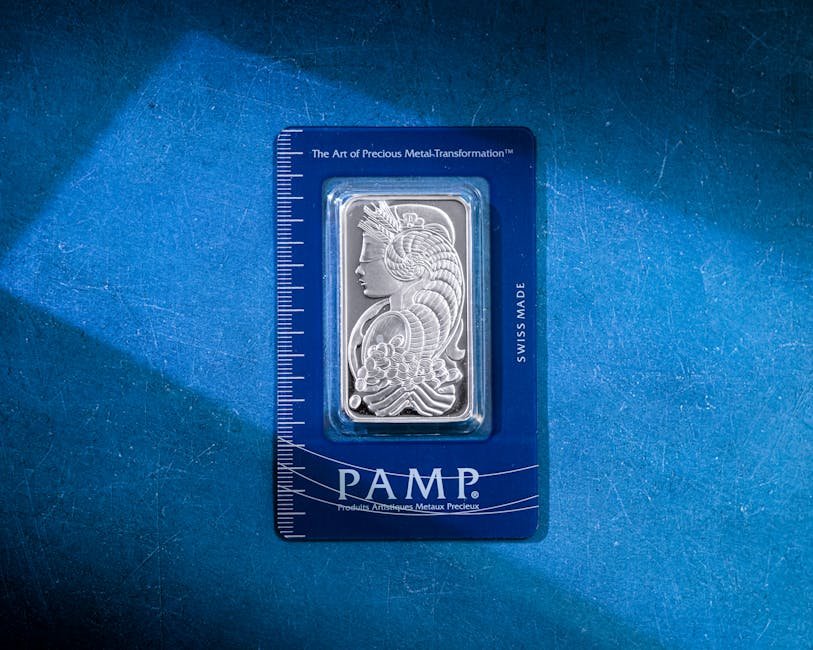
- Palladium bars: Minted palladium bars in various sizes offer a straightforward way to hold the metal at closer to spot price. They are compact, easy to store, and simple to understand.
- ETFs and paper products: Exchange-traded funds backed by physical palladium exist and are easy to buy through a brokerage account. However, with paper products you do not take direct possession of the metal, which matters to investors who value physical ownership.
If physical ownership is your goal, buying directly from a reputable dealer is the most straightforward path. Absolute Bullion carries palladium products priced at current spot price so you always know exactly what you are paying. Before you buy, compare premiums across products and think about storage — palladium, like platinum, is dense enough that even a small holding takes up very little space.
The Risks Worth Understanding
No asset is without risk, and palladium is no exception. Its price history includes significant volatility — sharp rallies followed by equally sharp corrections. Because the market is smaller and less liquid than gold or silver, price swings can be more dramatic. An investor who buys at a peak and needs to sell quickly may face a meaningful loss.
The long-term outlook for catalytic converter demand also introduces uncertainty. If electric vehicle adoption accelerates faster than expected in major markets, industrial demand for palladium could decline over time. That is not an immediate concern given the current pace of the transition, but it is a factor worth weighing for anyone with a very long investment horizon.
Palladium should also be viewed as one component of a broader strategy rather than an all-in bet. Most financial advisors who discuss precious metals suggest keeping any single metal as a portion of a diversified holdings mix, not as a total replacement for other assets.
Is Palladium Right for Your Portfolio?
Palladium is not for everyone. If you are brand new to precious metals, gold and silver are still the natural starting point because they are more liquid and more widely understood. But if you already hold gold and silver and want to expand into something with different demand drivers and genuine scarcity, palladium is worth serious consideration.
The metal’s industrial role, limited supply geography, and relative obscurity among retail investors all contribute to a market that rewards those willing to do a little extra research. Being early to understand a market before it becomes mainstream has historically been where opportunity lives.
Ready to take a closer look? Visit absolutebullion.com to browse available palladium products, check live pricing, and speak with a team that can answer your questions and help you make an informed decision. Overlooking palladium is easy — but it does not have to be a permanent mistake.
