
Market Insights
.999 Fine Silver: What It Means and Why It Matters for Buyers
May
If you’ve spent any time browsing silver coins, bars, or rounds, you’ve probably noticed the marking “.999 fine silver” printed or stamped right on the product. But what does that number actually mean, and why should you care about it when spending your hard-earned money? Understanding silver purity is one of the most important fundamentals for anyone who wants to buy physical silver with confidence. This article breaks it all down in plain language so you can shop smarter from day one.
What Does .999 Fine Silver Actually Mean?
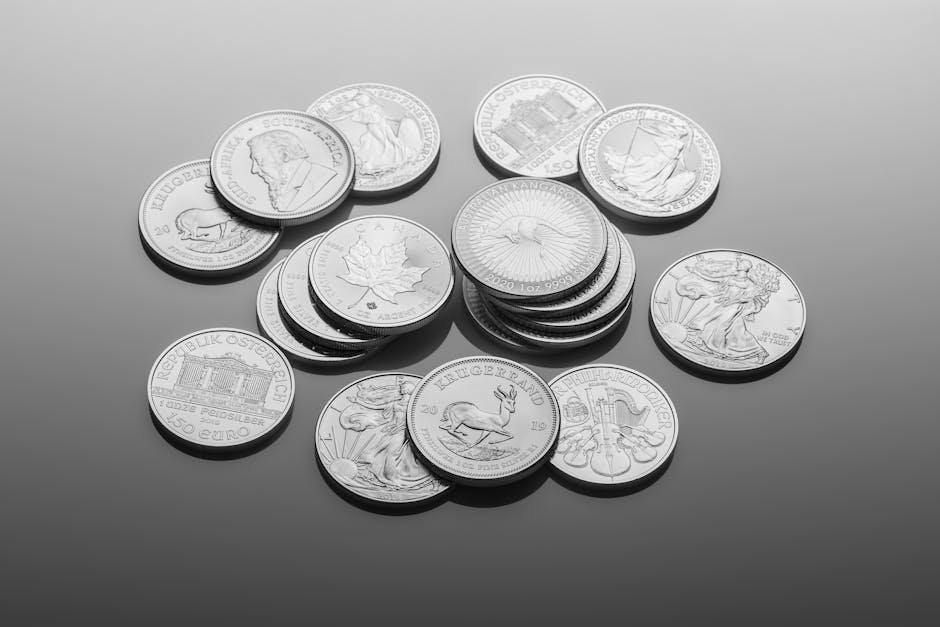
The number .999 refers to the purity of the silver in a product, expressed as a decimal. A silver bar or coin stamped .999 is made up of 999 parts silver out of 1,000, with just one part being trace elements or other metals. In percentage terms, that works out to 99.9% pure silver. This is the standard purity level for most investment-grade silver products sold today, including popular government-minted coins like the American Silver Eagle and the Canadian Silver Maple Leaf.
You may also come across products marked .9999, which represents four-nines or 99.99% purity. This ultra-fine silver is even more refined and is found in select coins and bars. While .9999 is technically purer, .999 fine silver is widely accepted as the industry standard for bullion, meaning it carries full credibility and liquidity in the marketplace. Both are excellent choices for buyers focused on owning physical silver.
It’s also worth knowing what .999 fine silver is not. Sterling silver, for example, is marked .925, meaning it contains 92.5% silver mixed with copper or other metals. Sterling is used in jewelry, flatware, and decorative items, but it is not considered investment-grade bullion. When you’re buying silver specifically for its precious metal content, .999 fine is the benchmark you want to look for.
Why Purity Matters When You Buy Silver
Purity directly affects the value of silver you’re buying. When you purchase .999 fine silver, you know almost exactly how much pure silver you’re getting per troy ounce. This makes pricing transparent and straightforward — your cost is based on the current spot price of silver plus a dealer premium. If you were buying a lower-purity alloy, calculating the true silver content would require more math and introduce more uncertainty.
Purity also matters when it comes time to sell. Reputable dealers and refiners around the world recognize .999 fine silver as a standard, which means reselling it is far simpler. A .999 silver bar from a recognized mint can be sold or traded with minimal friction because buyers know exactly what they’re getting. Products with non-standard or lower purity may require assay testing before a buyer will accept them, which can slow down the selling process and potentially reduce what you receive.
Finally, purity is a marker of product authenticity. Counterfeit silver products do exist, and they’re designed to fool the eye. Legitimate .999 fine silver products are stamped with their purity, weight, and often a serial number or mint mark. Buying from a trusted source and checking these markings is your first line of defense against fakes.
Common Forms of .999 Fine Silver
Most silver bullion products you’ll encounter fall into three main categories: coins, bars, and rounds. Each has its own advantages, and all can be found in .999 fine purity.
- Silver coins are produced by government mints and carry a face value, though their actual silver content is worth significantly more. Examples include the American Silver Eagle and the Canadian Silver Maple Leaf. These coins are highly recognizable and easy to sell.
- Silver bars come in a wide range of sizes, from small one-ounce bars to large 100-ounce and 1,000-ounce commercial bars. They typically carry lower premiums over spot price compared to coins, making them efficient for buyers who want more silver for their money.
- Silver rounds look similar to coins but are produced by private mints rather than governments. They carry no face value but are still made to .999 fine standard and offer a cost-effective way to accumulate silver.
Each of these product types serves a slightly different purpose. Coins offer the highest name recognition and may carry slight collector appeal. Bars are often preferred by buyers focused purely on cost efficiency. Rounds offer a middle ground — often featuring attractive designs with premiums closer to bars than coins.
How to Verify Silver Purity Before You Buy
Knowing how to check what you’re buying is an essential skill for any silver buyer. The most basic step is to look for the purity stamp directly on the product. Legitimate .999 fine silver will always be clearly marked. On coins, this stamp is part of the die-struck design. On bars and rounds, it is typically engraved or stamped into the metal surface.
Beyond visual inspection, there are several practical testing methods available to buyers. A magnet test is a quick first check — silver is not magnetic, so if a product sticks to a magnet, something is wrong. Specific gravity testing compares the weight of a piece in air versus in water to calculate its density, which should match known silver values. Electronic precious metal testers and ultrasonic thickness gauges are more advanced tools used by dealers and serious collectors.
The most reliable protection is simply buying from reputable dealers who source products from established mints. At Absolute Bullion, every silver product sold meets standard purity requirements and comes from trusted minting sources, so buyers can shop with peace of mind without having to perform tests themselves.
Practical Tips for First-Time Silver Buyers
If you’re buying .999 fine silver for the first time, a few simple habits will serve you well. Start by setting a clear goal — are you buying to hold long term, to build a collection, or to diversify a portion of your savings? Your goal will influence which products make the most sense for you.
- Compare premiums across different product types before committing. Bars typically carry lower premiums than coins, which matters if your goal is maximizing silver content per dollar spent.
- Buy in whole troy ounces when possible. Standard sizing makes products easier to value, store, and eventually resell.
- Keep your purchase documentation. Receipts, certificates of authenticity, and packaging all support the value and legitimacy of your silver down the road.
- Store silver properly. Exposure to air and humidity can cause toning or surface oxidation over time. Airtight capsules or sealed storage bags help preserve the condition of your metal.
Check current spot prices regularly so you understand market movement and can make informed decisions about timing your purchases. Silver prices fluctuate daily based on a range of economic factors, and staying informed is part of being a confident buyer.
Where to Buy .999 Fine Silver
Choosing where to buy matters just as much as knowing what to buy. Online dealers, local coin shops, and auction platforms all offer silver, but they vary widely in pricing transparency, product authenticity, and customer service. Look for dealers that clearly display premiums over spot price, provide product descriptions with purity and weight information, and have a track record of positive customer reviews.
For California buyers and buyers across the country, absolutebullion.com offers a straightforward buying experience with competitive pricing on .999 fine silver coins, bars, and rounds. You can check live pricing at current spot price directly on the site and find products that fit a range of budgets and goals.
Understanding what .999 fine silver means is the foundation of smart precious metals buying. Once you know what purity represents, why it matters for value and resale, and how to verify what you’re getting, you’re ready to buy with real confidence. Take a look at the current selection of .999 fine silver products available today and start building your holdings on solid ground.
