
Market Insights
How Gold Pricing Works at a Precious Metals Dealer: Spot Price, Premiums & More
Jul
If you’ve ever shopped for gold coins or bars and wondered why the price on the tag is higher than the number you saw quoted online, you’re not alone. Nearly every first-time buyer asks this exact question. Understanding how gold is priced at a precious metals dealer — and why that price is almost always above the so-called “spot price” — will make you a smarter, more confident buyer. This article breaks down the full pricing picture in plain language, from the global benchmark to the final number you pay at checkout.
What Is the Spot Price of Gold?
The spot price is the current market price for one troy ounce of gold for immediate delivery. It is set continuously by global commodity exchanges, most notably the COMEX in New York and the London Bullion Market Association (LBMA) in the United Kingdom. Billions of dollars in gold contracts trade every day on these markets, and the result is a constantly moving price that reflects worldwide supply and demand in real time.
You can think of spot price as the raw ingredient cost — what the metal itself is worth at a given moment, before anyone does anything with it. It is quoted in U.S. dollars per troy ounce, and it shifts throughout every trading day based on economic data, currency movements, geopolitical events, and investor sentiment. When news outlets say “gold is up today,” they are talking about the spot price.
One important detail: spot price refers to unprocessed or wholesale gold, not a finished coin or bar sitting in a display case. The moment gold is refined, minted, packaged, insured, shipped, and stored, costs are added on top. That is where premiums come in.
What Is a Premium, and Why Does It Exist?
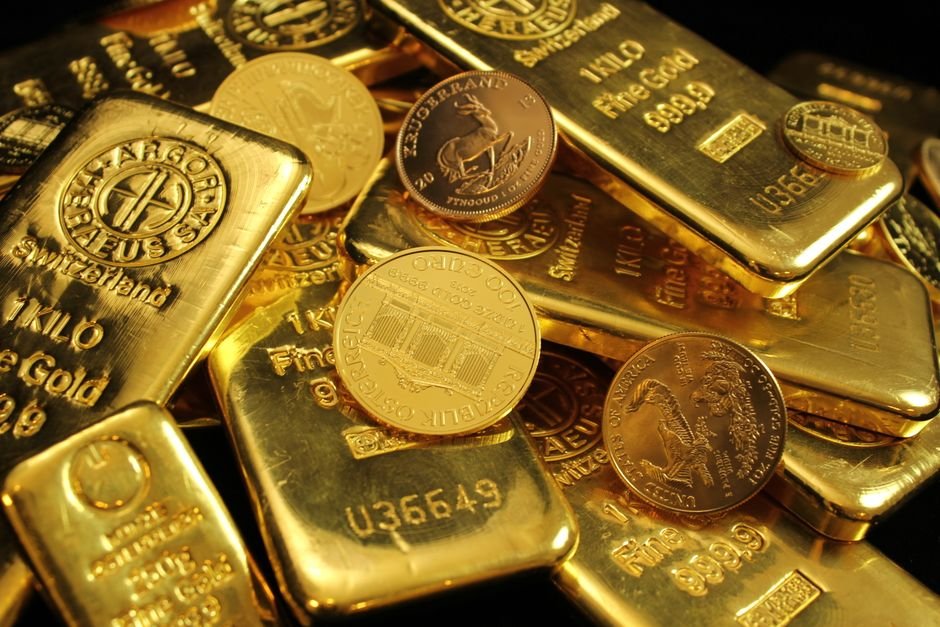
A premium is the amount you pay above the spot price for a physical gold product. If spot gold is at a certain price per ounce and you buy a one-ounce American Gold Eagle coin, you will pay spot plus a premium. This is completely normal and expected — every reputable dealer charges premiums, and for good reason.
Premiums cover the real costs involved in getting physical gold into your hands. Those costs include refining and minting the metal into a recognized product, assaying and quality certification, secure packaging, insurance during transit, dealer overhead, and a reasonable profit margin that keeps the business running. Government mints like the U.S. Mint charge dealers a premium above spot when they sell coins in bulk, and dealers then pass a portion of that cost along to retail buyers.
Premiums are typically expressed either as a dollar amount or as a percentage above spot. A lower premium means you are getting closer to the raw metal value. A higher premium often reflects extra demand, a collectible or numismatic element, or simply higher production costs for that particular product. Neither is automatically bad — it depends entirely on your goal as a buyer.
What Factors Influence How Much Premium You Pay?
Not all gold products carry the same premium, and the difference can be significant. Several factors determine where a product lands on the premium scale. The most important is the type of product itself. Gold bars from major refiners — like PAMP Suisse or the Perth Mint — tend to carry lower premiums than government-minted coins, because bars are simpler and cheaper to produce in large quantities.
Government-minted bullion coins such as the American Gold Eagle, the Canadian Gold Maple Leaf, and the South African Krugerrand carry slightly higher premiums because they are produced by sovereign mints to tight specifications, carry a face value, and enjoy extremely high global recognition and liquidity. That recognition has real value — it makes the coins easier to sell or trade anywhere in the world.
- Product size: Smaller denominations like quarter-ounce or tenth-ounce coins carry higher premiums per ounce than full one-ounce products, because fixed production costs are spread over less metal.
- Market demand: During periods of high investor demand, premiums can rise sharply because physical supply tightens even when spot price is stable.
- Quantity purchased: Many dealers offer lower per-ounce premiums when you buy in larger quantities.
- Product condition: Proof or special-edition coins are struck to higher standards and carry collectible value, pushing premiums well above standard bullion rates.
The Bid-Ask Spread: What Happens When You Sell?
Gold pricing is a two-way street. When you buy, you pay the ask price — spot plus the dealer’s premium. When you sell, you receive the bid price — typically spot minus a small percentage. The difference between the two is called the bid-ask spread, and it represents the dealer’s margin on a round-trip transaction.
This spread is why gold is better suited to a medium- or long-term holding strategy than a short-term trade. If you buy gold today and try to sell it back tomorrow at the same spot price, you will likely get back less than you paid. However, if spot price rises enough over time, the spread becomes a much smaller factor relative to your overall gain. Understanding this upfront helps you set realistic expectations.
When comparing dealers, pay attention to both sides of the equation — not just how much they charge when you buy, but also what they offer when you sell. A dealer with a slightly higher buy premium but a strong buyback program may actually serve you better in the long run than one with the lowest sticker price and a poor sell-back rate.
How to Read Gold Pricing on a Dealer’s Website
When you browse gold products at a dealer like Absolute Bullion, you will typically see the product price listed alongside the current spot price or a notation like “spot + $X” or “X% over spot.” This transparency is a hallmark of a trustworthy dealer. If a website does not clearly show its pricing methodology, that is a red flag worth noting.
Always check whether the listed price includes shipping, handling, and insurance, or whether those are added at checkout. Payment method can also affect the final price — many dealers offer a small discount for payment by check or bank wire compared to credit card, because card processing fees are a real cost that would otherwise be absorbed into the premium. Reading the fine print before you commit saves surprises at the end.
Practical Tips for Getting the Best Value
- Compare premiums, not just prices. The raw dollar price means little without knowing the current spot price. Always calculate the premium you are paying per ounce.
- Buy larger sizes when possible. One-ounce products almost always carry a lower premium per ounce than fractional sizes.
- Watch for promotions. Reputable dealers occasionally run sales or offer reduced premiums on specific products.
- Prioritize recognized products. Coins and bars from well-known sovereign mints and accredited refiners are easier to resell and typically hold their premium better over time.
- Check buyback policies before you buy. Knowing your exit strategy is just as important as your entry price.
Gold pricing is more straightforward than it first appears once you understand the building blocks. Spot price sets the foundation, premiums reflect the real cost of physical metal, and the bid-ask spread defines the economics of buying and selling. Armed with this knowledge, you are ready to shop with confidence. Visit absolutebullion.com to see live pricing on a wide selection of gold coins and bars, and to find a product that fits your budget and your goals.
