
Market Insights
Gold vs Cryptocurrency: Which Is the Safer Investment in 2025?
Sep
If you have money to protect and grow, two assets keep coming up in almost every financial conversation right now: gold and cryptocurrency. Both have passionate supporters, both have delivered dramatic gains at certain moments, and both are frequently pitched as alternatives to the traditional banking system. But they are very different animals. Understanding those differences — honestly, without hype — is the best starting point for any investor trying to make a smart decision in 2025.
A Tale of Two Assets: What You Are Actually Buying
When you buy gold, you are buying a physical commodity with thousands of years of recognized value. Gold does not depend on any network, software platform, or company to exist. You can hold it in your hand, store it in a vault, or pass it to your children. Its value comes from its scarcity, its industrial uses, and its deep cultural and monetary history across virtually every civilization on earth.
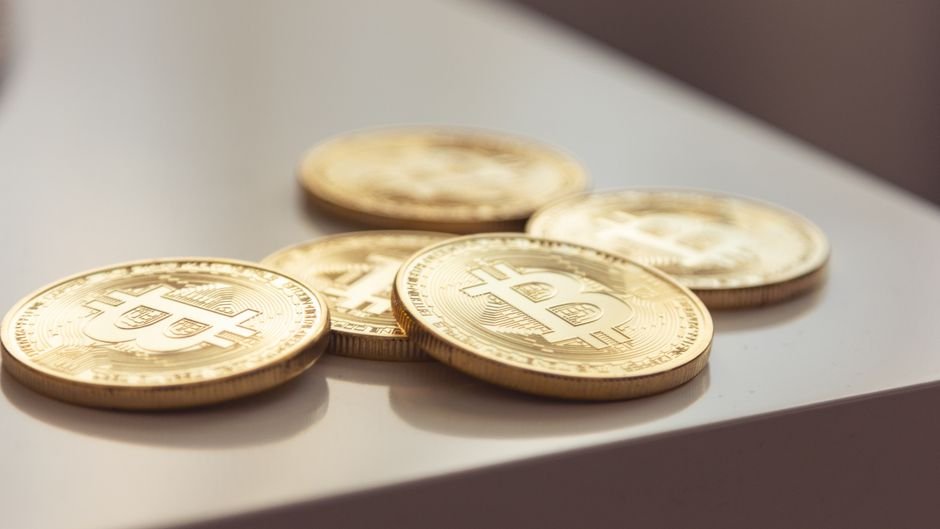
Cryptocurrency is fundamentally different. When you buy Bitcoin or any other digital coin, you are buying a cryptographic entry on a decentralized digital ledger. There is no physical object. Its value is derived entirely from what other participants in the market are willing to pay at any given moment, from confidence in the underlying technology, and from whatever regulatory environment happens to exist in your country. That is not a criticism — it is simply an honest description of what the asset is.
Neither asset pays a dividend or interest. Both require you to sell in order to realize a gain. That puts them in the same basic category for income-focused investors, but their risk profiles are radically different.
Volatility: The Most Important Number Most Investors Ignore
Volatility measures how wildly an asset’s price swings over time. It is the single most important factor separating gold from cryptocurrency for the average investor. Gold is historically one of the less volatile assets available. Its price moves, sometimes significantly over months or years, but dramatic single-day crashes or 50-percent drawdowns are extremely rare. That stability is exactly why central banks hold gold as a reserve asset.
Cryptocurrency, by contrast, has experienced multiple price collapses of 70 percent or more within relatively short periods. Bitcoin has made extraordinary gains, but it has also cut investors’ portfolios in half — sometimes in a matter of weeks. For someone saving for retirement, a major purchase, or simply trying to preserve wealth, that level of volatility can be genuinely damaging.
The practical implication is straightforward: if you cannot afford to watch your holdings drop by 50 percent or more and stay patient for years, cryptocurrency carries a level of risk that most wealth-preservation strategies simply cannot absorb.
Safe-Haven Status: How Each Asset Behaves in a Crisis
Gold has a well-documented track record as a safe-haven asset. During periods of geopolitical conflict, financial system stress, high inflation, and currency instability, investors historically have moved money into gold. This flight-to-safety behavior has been observed across many decades and many different types of crises. Gold does not always go up in a crisis, but it consistently holds value better than most other assets when uncertainty is highest.
Cryptocurrency’s safe-haven credentials are far less established. During the 2020 market crash, Bitcoin initially sold off sharply alongside stocks before recovering. During periods of banking stress in recent years, crypto markets showed mixed and sometimes contradictory behavior. Some proponents argue that Bitcoin is “digital gold,” but the data so far does not fully support that comparison. Crypto markets remain heavily influenced by investor sentiment, regulatory news, and liquidity conditions in a way that gold simply is not.
For investors specifically looking for a reliable store of value during uncertain times, gold’s track record is longer, more consistent, and better documented than any cryptocurrency available today.
Regulation, Custody, and Real-World Risk
One area where many new investors underestimate cryptocurrency risk is custody and regulation. If you store crypto on an exchange and that exchange is hacked, goes bankrupt, or is shut down by regulators, your holdings can disappear entirely. This has already happened to real investors at multiple well-known platforms. Even self-custody with a hardware wallet requires technical knowledge, careful backup procedures, and protection against physical loss or damage.
Physical gold held in your possession or stored with a reputable dealer has none of those digital risks. It cannot be hacked. A regulatory change does not make it evaporate. The risks with physical gold are simpler and more manageable: secure storage, insurance, and verified purity when you buy. Reputable dealers like Absolute Bullion sell government-minted coins and internationally recognized bars, so you always know exactly what you are getting.
Regulation of cryptocurrency is also still evolving rapidly in the United States and globally. Tax treatment, reporting requirements, and even the legality of certain coins can shift with relatively little warning. Gold, by comparison, operates within a mature, well-understood legal and tax framework.
Liquidity and Practical Usability in 2025
Both gold and cryptocurrency are liquid assets — meaning you can convert them to cash relatively quickly. Cryptocurrency can be sold digitally within minutes, which is a genuine advantage. Major gold coins and bars can typically be sold to a dealer, at a coin shop, or at auction within a short timeframe, though the process is slightly less instantaneous than a digital transaction.
In practice, gold’s liquidity is more than sufficient for most investors’ needs. The slightly longer liquidation process is a reasonable trade-off for the stability and security that physical gold provides. If you need emergency cash in minutes rather than hours or days, a small cryptocurrency position might serve a purpose — but building your entire emergency reserve in crypto introduces significant price risk at exactly the moment you can least afford it.
How to Think About Both Assets Together
The most balanced approach for most investors is not an either-or decision. Many financial advisors suggest considering gold as a core wealth-preservation holding — a stable foundation — while treating cryptocurrency as a much smaller, higher-risk, higher-potential-reward position that you could afford to lose entirely without derailing your financial goals.
- Start with your risk tolerance. Be honest about how much volatility you can handle without panic-selling.
- Define your goal. Preserving wealth and speculating for growth are different objectives that call for different tools.
- Do not put money into either asset that you cannot afford to leave invested for at least several years.
- Understand custody before you buy. Know where your asset will be held and what happens if something goes wrong.
- Start small and learn as you go. Neither gold nor crypto requires a large initial commitment to begin building knowledge and experience.
The bottom line is that gold and cryptocurrency are not direct competitors — they represent very different philosophies about value, risk, and the future of money. Gold’s long history, physical reality, and proven safe-haven behavior make it a strong choice for investors focused on capital preservation. Cryptocurrency offers higher potential gains alongside significantly higher risk and uncertainty. If protecting what you have worked to build is your primary goal in 2025, gold deserves serious consideration as the foundation of your strategy. Visit absolutebullion.com to browse government-minted gold coins and bars at current spot price and take the first step toward building a more resilient portfolio.
