
Market Insights
National Debt Crisis: Why Gold Ownership Is Your Best Financial Shield
Oct
The United States national debt has crossed into territory that would have seemed unthinkable just a generation ago. As the federal government continues to spend far beyond its means, ordinary Americans are left asking a simple but urgent question: how do I protect what I’ve worked so hard to earn? Throughout history, gold has served as one of the most reliable answers to exactly that question. Understanding why gold ownership matters during a debt crisis can help you make smarter, more confident decisions about your financial future.
Understanding the National Debt Problem
The national debt represents the total amount the federal government owes to its creditors, including foreign governments, institutions, and individual bondholders. When the government spends more than it collects in taxes, it borrows money by issuing Treasury bonds and other securities. Over time, that borrowing compounds, and the interest payments alone become a significant drain on public finances.
What makes the current situation particularly concerning is not just the size of the debt but the pace at which it is growing. Deficit spending has become a structural feature of American fiscal policy rather than a temporary emergency measure. When a government carries enormous debt, it faces limited options: raise taxes, cut spending dramatically, or allow inflation to quietly erode the real value of what it owes. That last option — inflation — is what most directly threatens the purchasing power of everyday savers.
When inflation rises, every dollar you hold buys less than it did before. Savings accounts, money market funds, and even some bonds may not keep pace with the true rate of price increases. This is the hidden tax that debt-driven monetary policy places on responsible, hardworking people. Gold has historically served as a counterweight to exactly this kind of erosion.
Why Gold Behaves Differently From Paper Assets
Gold is a physical asset with no counterparty risk. When you own gold, you are not depending on a bank’s solvency, a government’s promise, or a corporation’s performance. The metal has intrinsic value that has been recognized across cultures and centuries. This makes it fundamentally different from stocks, bonds, or currency, all of which are ultimately backed by human institutions that can and do fail.
During periods of currency debasement — when governments print money to manage their debts — gold tends to preserve purchasing power. This does not mean gold moves in a straight line or that it is without risk. Like any asset, its price fluctuates. But over long stretches of time, gold has maintained its real value in ways that paper currencies have consistently failed to do. A dollar today buys a fraction of what it bought fifty years ago. Gold, measured in real goods and services, has held its ground far more effectively.
Gold also behaves differently from stocks during financial crises. When equity markets sell off sharply because of economic stress, gold often moves in the opposite direction. Investors fleeing risk tend to move capital into gold, which increases demand and supports its price. This inverse relationship, while not perfect or guaranteed, is one reason financial advisors often describe gold as a portfolio diversifier.
Physical Gold vs. Paper Gold: Know What You Own
Not all gold ownership is the same. There is an important distinction between owning physical gold and owning financial products that are linked to gold’s price. Exchange-traded funds, futures contracts, and gold certificates are all paper instruments. They may track the price of gold, but they do not give you direct possession of the metal itself.
In a serious financial crisis — exactly the kind of scenario that concerns people worried about the national debt — paper gold instruments carry risks that physical gold does not. ETF shares depend on fund managers and custodians. Futures contracts can expire or be subject to margin calls. Certificates are only as good as the institution that issued them. Physical gold held in your own hands or in a secure private vault is subject to none of these risks.
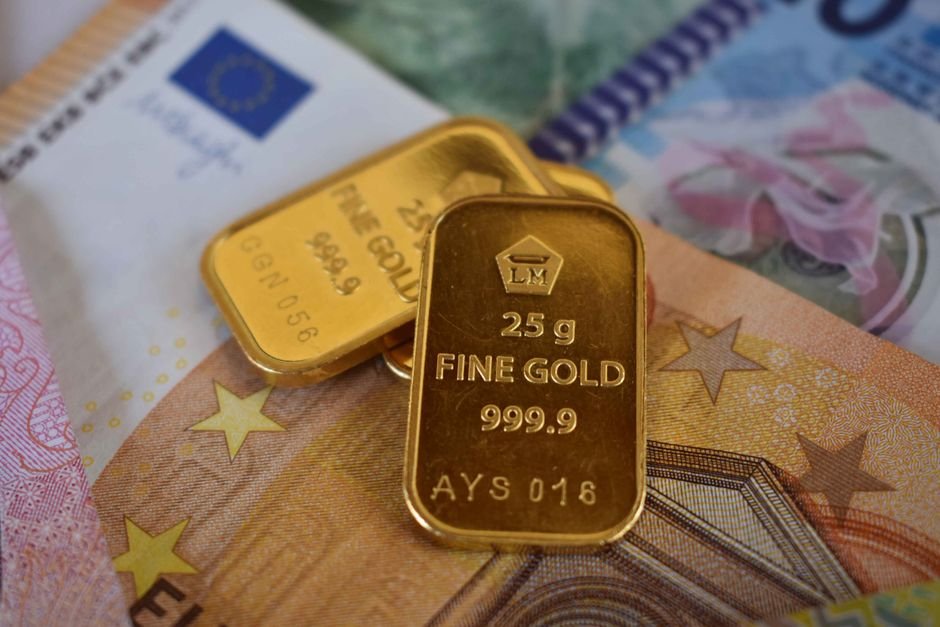
This is why many experienced precious metals investors prioritize owning actual coins and bars. Products like American Gold Eagles, Canadian Gold Maple Leafs, and gold bars from recognized refiners give you direct, tangible ownership. When the financial system faces stress, tangible assets in your direct control carry a level of security that paper simply cannot match.
How Much Gold Should You Consider Owning?
There is no single correct answer to this question, and nothing here should be taken as personalized financial advice. However, there are useful frameworks worth understanding. Many financial planners who include precious metals in a portfolio suggest that a meaningful but not overwhelming allocation — somewhere in the range of five to fifteen percent of investable assets — can provide meaningful protection without over-concentrating risk in a single asset class.
Your personal situation matters enormously. Your age, income stability, existing assets, and financial goals all factor into what makes sense for you. What is clear is that holding zero exposure to hard assets when a government is managing record levels of debt leaves a portfolio entirely dependent on the health of that same monetary system. That is a concentration of a different and often overlooked kind.
Starting small is entirely reasonable. Many investors begin with fractional gold coins or a single one-ounce coin and build over time. The important step is getting started with a trusted, transparent dealer who will give you honest information about what you are buying and what you are paying.
Practical Steps to Start Protecting Yourself
Taking action does not have to be complicated. Here is a straightforward approach for anyone new to gold ownership:
- Educate yourself before you buy. Understand the difference between coins and bars, and know what premiums above spot price mean.
- Check live pricing so you know what gold is trading at when you make your purchase decision.
- Buy from a reputable dealer who is transparent about pricing, product authenticity, and fees.
- Plan your storage in advance — whether that is a home safe, a bank safe deposit box, or a private depository.
- Think long term. Gold is not a short-term trading vehicle. It is a store of value meant to be held through cycles.
At Absolute Bullion, you can browse a wide selection of gold coins and bars at current spot price with full pricing transparency. The team is ready to answer questions from first-time buyers and experienced collectors alike.
The Bigger Picture: Protecting Your Purchasing Power
A national debt crisis does not announce itself with a single dramatic event. It unfolds gradually through rising prices, currency weakness, and the slow erosion of savings. The people who protect themselves most effectively are typically those who recognized the trend early and took measured, consistent action over time rather than waiting for a moment of obvious crisis that may arrive only after significant damage has already been done.
Gold ownership is not about fear or pessimism. It is about understanding how money works, how governments behave under financial pressure, and how to position yourself so that forces beyond your control do not quietly undo decades of hard work and careful saving.
If you are ready to take the first practical step toward protecting your purchasing power, visit absolutebullion.com today to explore your options, check live pricing, and speak with a knowledgeable team that puts your interests first.
