
Market Insights
.999 Fine Silver: What It Means and Why It Matters for Buyers
Aug
If you’ve been browsing silver products online or at a coin shop, you’ve probably seen the label “.999 fine silver” stamped on bars and rounds. But what does that number actually mean, and why should it influence your buying decision? Understanding silver purity is one of the most important steps you can take as a new precious metals buyer. It affects the value of what you own, how easily you can sell it, and whether certain products fit your goals. This article breaks it all down in plain language so you can shop with confidence.
What Does .999 Fine Silver Actually Mean?
The number .999 refers to the purity of the silver in a given product. Specifically, it means the item is 99.9% pure silver, with only a tiny fraction — 0.1% or less — made up of trace elements or other metals. This purity standard is the most common benchmark for investment-grade silver products sold around the world, including silver bars, rounds, and many government-minted coins.
You may also encounter .9999 fine silver, sometimes called “four nines fine.” That designation indicates 99.99% purity, an even higher standard used by select government mints and refiners. While the difference sounds small, it does matter in certain industrial and collector contexts. For most investors, however, .999 fine silver represents an excellent and widely accepted standard of quality.
The purity marking is typically stamped directly onto the product along with the weight and the name or hallmark of the mint or refiner. When you see all three elements present — purity, weight, and source — you can be confident the product meets recognized standards for authenticity and quality.
How Silver Purity Is Different From Other Metals
Silver purity works differently from gold purity, which is measured in karats. Gold’s karat system is based on 24 parts, so 24-karat gold is pure gold and 18-karat gold is 75% gold. Silver skips the karat system entirely and uses a decimal-based millesimal fineness scale instead. On that scale, .999 is the standard for investment-grade silver, while .925 designates sterling silver — the alloy most commonly used in jewelry and silverware.
Sterling silver, at 92.5% purity, contains a meaningful percentage of copper or another base metal. That added metal makes sterling more durable for everyday use, but it also lowers the silver content per ounce. If you’re buying silver as an investment or to hold long-term value, you want .999 fine silver, not sterling. Sterling items are generally not accepted by bullion dealers or refiners at the same price as .999 products.
Understanding this distinction protects you from a common mistake. Some buyers pick up sterling silverware or jewelry thinking they’re acquiring bullion-grade silver. While sterling does carry real silver value, it trades at a significant discount and requires additional assay or refining steps before it enters the investment market. Stick to clearly marked .999 fine products when building a bullion position.
Why Purity Matters When You Buy and When You Sell
Purity directly affects the price you pay and the price you can expect to receive when you eventually sell. Bullion dealers price .999 fine silver products based on the current spot price of silver, plus a modest premium that covers minting, handling, and dealer costs. Because the silver content is standardized and certified, buyers and sellers can transact quickly and with confidence in the value they’re exchanging.
When you go to sell, that same standardization works in your favor. Reputable dealers, refiners, and even private buyers know exactly what they’re getting when you hand them a clearly marked .999 fine silver bar or coin. There’s no need for costly or time-consuming assaying in most cases. That liquidity — the ease with which you can convert your silver into cash — is one of the strongest practical advantages of sticking with recognized .999 fine products.
Products with unclear markings, unverified origins, or non-standard purities can be difficult to sell and may be subject to steep discounts or outright rejection. This is why sourcing your silver from a trustworthy dealer matters just as much as understanding what you’re buying.
Common .999 Fine Silver Products You’ll Encounter
The market for .999 fine silver is broad, and you have plenty of product types to choose from depending on your preferences and budget. Here are some of the most common options:
- Silver rounds: Privately minted, coin-shaped discs that typically carry lower premiums than government-issued coins. They come in many designs and are a popular choice for cost-conscious buyers.
- Silver bars: Available in sizes ranging from one ounce to one hundred ounces or more. Larger bars often carry lower per-ounce premiums, making them efficient for buyers focused on maximizing silver content per dollar spent.
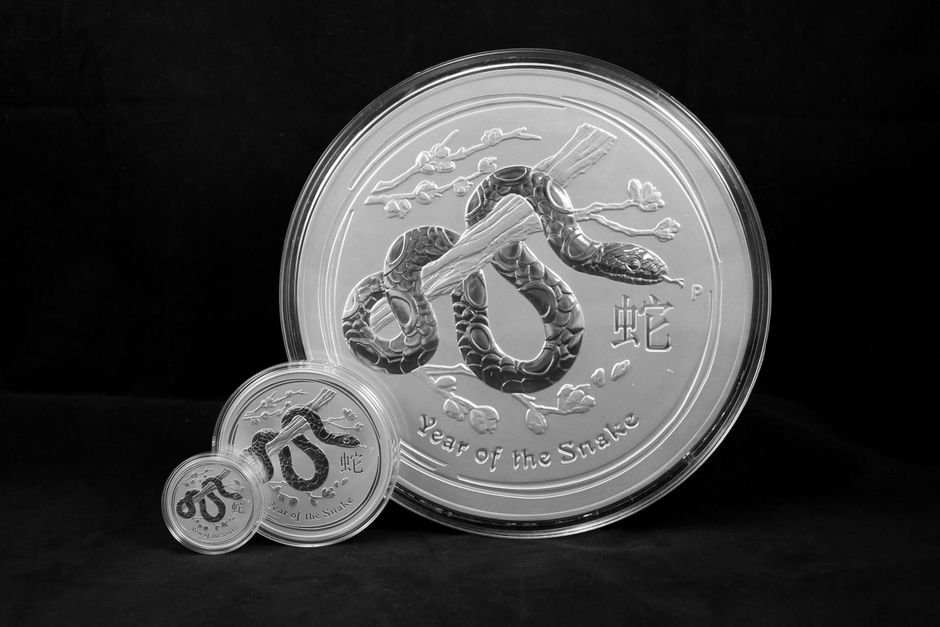
- Government-minted coins: Products like the American Silver Eagle, Canadian Maple Leaf, and Australian Silver Kangaroo are struck at .999 or .9999 fineness and carry the backing of their respective governments. They tend to command higher premiums but offer strong global recognition and liquidity.
Each product type has its own set of trade-offs between cost, recognition, and collectibility. New buyers often start with silver rounds or one-ounce bars to keep premiums low while still acquiring genuine .999 fine silver.
How to Verify You’re Getting Genuine .999 Fine Silver
Buying from a reputable dealer is your first and strongest line of defense against counterfeit or misrepresented products. Beyond that, there are a few practical steps you can take to verify authenticity. Look for the purity stamp (.999 or .9999), the weight in troy ounces or grams, and the hallmark of the mint or refiner. Reputable products will display all three clearly.
For added confidence, consider investing in a basic set of verification tools. A digital scale calibrated for troy ounces lets you confirm that the product weighs what it claims. A rare-earth magnet can help catch some fakes, since silver is not magnetic — though this test alone is not conclusive. For higher-value purchases, an electronic precious metals tester or ultrasonic thickness gauge provides a more reliable result without damaging the product.
When you buy from Absolute Bullion, you can shop with confidence knowing that every product sourced through our inventory meets established purity and weight standards. Transparency and product integrity are central to how we operate.
Purity and Long-Term Value: Keeping It Simple
One of the most appealing things about .999 fine silver is its simplicity. You don’t need to calculate alloy percentages or adjust for mixed metal content. Every troy ounce of .999 fine silver contains the same amount of pure silver, whether it comes in the form of a bar, a round, or a government coin. That uniformity makes it easy to track what you own, compare prices across products, and make informed decisions over time.
Silver’s role in electronics, solar panels, medical devices, and industrial manufacturing means physical demand remains strong alongside investment demand. While no one can predict price movements, owning a tangible asset with well-documented purity and global recognition gives buyers a clear, understandable foundation for their holdings.
Ready to start building your silver position with confidence? Visit absolutebullion.com to browse our full selection of .999 fine silver products at current spot price and find the right fit for your goals.
