
Market Insights
How to Sell Gold and Silver Bullion for the Best Price
May
Selling gold and silver bullion can be just as important as buying it. Whether you inherited a coin collection, built up a stack over the years, or simply need to convert your holdings into cash, getting the best price requires a little preparation and know-how. The good news is that the process is straightforward once you understand what dealers look at, where to sell, and how to time your sale. This guide walks you through everything you need to know before handing over your bullion.
Understand Spot Price Before You Do Anything Else
Spot price is the current market price for one troy ounce of a given metal, traded on global commodity exchanges in real time. Every legitimate offer you receive will be based on spot price, so you need to know what it is before you start shopping for buyers. Check a reliable source — or visit absolutebullion.com — to see live pricing before you make any calls or send any emails.
When a dealer buys from you, they will offer a percentage of spot price. That percentage depends on the type of product you are selling, current market demand, and the dealer’s operating costs. Common bullion coins and bars from recognized mints typically fetch a higher percentage of spot than obscure or heavily worn pieces. Knowing the spot price gives you a reference point so you can evaluate any offer with confidence.
Keep in mind that spot price moves throughout the trading day. If you are selling a significant amount, it may be worth watching price trends for a few days before committing. You do not need to time the market perfectly, but a basic awareness of whether prices are trending up or down can help you decide when to act.
Know Exactly What You Have
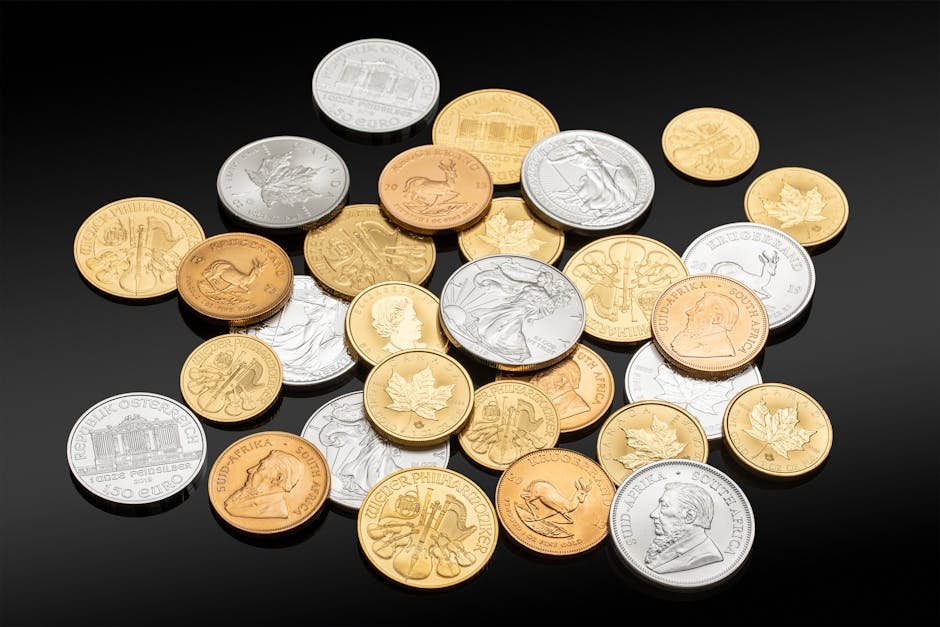
Before you approach any buyer, take a careful inventory of what you own. Identify each item by its metal type, weight, purity, and mint of origin. Popular products like American Gold Eagles, American Silver Eagles, Canadian Maple Leafs, and PAMP Suisse bars are immediately recognizable to dealers and command strong buyback prices. Less familiar products may require more verification and could result in a lower offer.
Check each piece for visible damage. Heavy scratches, dents, or signs of cleaning can reduce the premium a buyer is willing to pay, especially on numismatic or collectible coins. Standard bullion rounds and bars are typically valued on metal content alone, so minor surface marks matter less. If you have coins that might carry numismatic value beyond their metal weight, consider getting a separate appraisal from a coin specialist before selling to a bullion dealer.
Gather any original packaging, certificates of authenticity, or assay cards that came with your items. Sealed products with intact packaging are easier for dealers to verify and resell, which means they may be willing to offer you a slightly better rate. Never break a mint seal just to inspect a coin — you will likely lose value in the process.
Get Multiple Quotes
One of the most effective things you can do is contact more than one buyer before agreeing to sell. Buyback percentages and fees vary between dealers, coin shops, pawnshops, and online platforms. Getting at least two or three quotes gives you real leverage and helps you spot outliers — either suspiciously low offers or ones that seem too good to be true.
When comparing quotes, make sure you are comparing apples to apples. Ask each buyer whether their offer is based on the current spot price at the time of the quote, and whether there are any fees for shipping, insurance, or processing. Some online buyers advertise attractive rates but deduct significant costs on the back end. A local dealer with a slightly lower headline offer may actually put more money in your pocket once all costs are factored in.
Reputable dealers like Absolute Bullion are transparent about how they calculate buyback prices. Do not hesitate to ask a dealer to explain their offer in plain terms. Any legitimate business will be happy to walk you through the math.
Choose the Right Selling Channel
You have several options for where to sell your bullion, and each comes with trade-offs between price, convenience, and risk.
- Local coin and bullion dealers offer immediate payment and no shipping risk. You can negotiate face to face and walk out with a check or cash the same day.
- Online bullion dealers often have competitive buyback programs and can handle larger quantities efficiently. You will typically ship your metals insured and receive payment after verification.
- Peer-to-peer platforms such as online forums or auction sites may yield higher prices since you are selling directly to other collectors or investors, but they come with more work, higher risk of fraud, and no guarantee of a quick sale.
- Pawnshops are convenient but almost always offer the lowest prices because they are generalist buyers who need a larger margin to resell in a specialized market.
For most people selling standard bullion coins and bars, a reputable coin dealer or online bullion dealer strikes the best balance of price and simplicity. Save peer-to-peer selling for rare or numismatic pieces where the extra effort is more likely to pay off.
Watch Out for Common Pitfalls
Selling precious metals is generally safe when you stick to established buyers, but there are a few traps worth knowing about. Be cautious of buyers who pressure you to decide immediately, offer prices far above spot, or ask you to ship your metals before sending payment terms in writing. Legitimate buyers do not rush you and are clear about their process from the start.
Also be aware of tax implications. In the United States, profits from selling precious metals may be subject to capital gains tax. The rate depends on how long you held the metals and your overall tax situation. Keep records of your original purchase price so you can accurately calculate any gain. Consult a tax professional if you are unsure how a sale will affect your tax liability.
Finally, never sell under financial pressure if you can avoid it. Desperate sellers accept low offers. If you have time, use it to research the market, gather quotes, and choose the buyer that treats you fairly.
Conclusion
Selling gold and silver bullion for the best price comes down to three things: knowing your spot price, knowing what you have, and knowing your options. Take the time to prepare, get more than one quote, and work with buyers who are transparent and reputable. When you are ready to sell — or if you want to check current spot prices and learn more about buyback options — visit absolutebullion.com and speak with a team that has your best interests in mind.
