
Market Insights
.999 Fine Gold: What It Means and Why It Matters for Buyers
May
When you start shopping for gold, you’ll quickly run into a number of purity markings stamped on coins and bars. One of the most important is “.999 fine gold.” This small number carries a lot of meaning, and understanding it will help you buy with confidence, avoid overpaying, and know exactly what you’re getting. Whether you’re building a portfolio or simply buying your first gold coin, knowing what fineness means — and why it matters — is a solid first step.
What Does .999 Fine Gold Actually Mean?
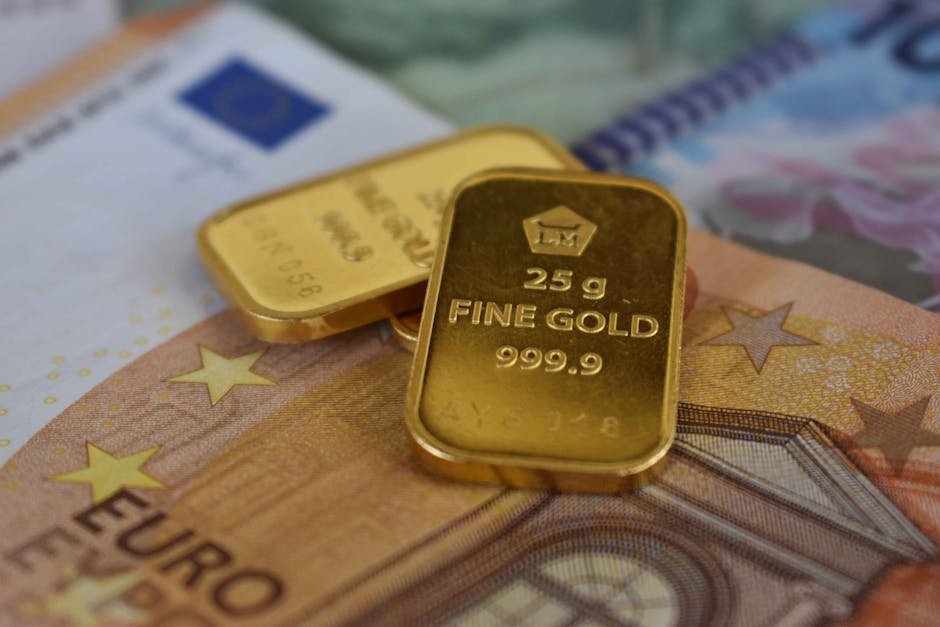
The term “fineness” refers to the purity of a precious metal, expressed in parts per thousand. When gold is stamped .999, it means the metal is 999 parts pure gold out of 1,000. That works out to 99.9% pure gold. You may also see this referred to as “three nines fine.” Some products go even further, marked .9999 or even .99999, which represents 99.99% and 99.999% purity respectively.
To put it in practical terms, a one-ounce gold bar marked .999 contains 0.999 troy ounces of actual gold, with the remaining trace amount made up of other metals. These tiny impurities are naturally difficult to remove completely during the refining process. The higher the fineness number, the purer the gold and the fewer non-gold metals present in the product.
It’s worth knowing that fineness is different from the karat system used in jewelry. Pure gold is 24 karats. A 22-karat gold coin, like the American Gold Eagle, is technically 91.67% gold — which translates to roughly .9167 fineness. So when a product is marked .999, it is significantly purer than most gold jewelry you’d find in a retail store.
Common Gold Products That Carry the .999 Stamp
Many of the most popular gold products sold today meet the .999 fineness standard. Gold bars from major refiners such as PAMP Suisse, Valcambi, and the Royal Canadian Mint are typically .9999 fine, which exceeds the .999 threshold. Among coins, the Canadian Gold Maple Leaf is famous for its .9999 purity, while the American Gold Buffalo — the United States Mint’s 24-karat gold coin — is also .9999 fine.
Not every gold coin is .999 or above, and that’s perfectly fine depending on your goals. The American Gold Eagle, for example, is .9167 fine but still contains a full troy ounce of gold. The South African Krugerrand is also .9167 fine. These coins include copper and silver to improve durability, which is why they tend to have a warmer, slightly reddish color. Their gold content is guaranteed by their issuing governments regardless of the alloy.
If your priority is raw gold purity — especially for certain investment accounts or international trade — products stamped .999 or .9999 are generally the preferred choice. Many gold bars and rounds sold by dealers fall into this category, often at lower premiums over spot price than government-minted coins.
Why Purity Matters When You Buy Gold
Gold purity directly affects value. The higher the fineness, the more actual gold you receive per ounce of product. When you compare two one-ounce products, a .9999 fine bar contains slightly more gold than a .9167 fine coin. The difference per ounce may seem small, but it adds up when you’re buying multiple pieces or tracking performance over time.
Purity also matters for resale and liquidity. Products with recognized fineness markings from reputable refiners or government mints are easier to sell because buyers can immediately verify their authenticity and gold content. If you ever decide to liquidate your holdings, a clearly stamped .999 or .9999 bar or coin will face fewer questions in the marketplace than an unmarked or obscure product.
Finally, purity plays a role in eligibility for certain tax-advantaged accounts. Gold held inside a self-directed IRA must meet IRS minimum purity requirements. For gold, that minimum is .995 fineness. Products marked .999 or .9999 easily clear that bar, which is one reason gold bars and certain coins like the American Gold Buffalo are popular choices for retirement accounts.
How to Verify the Fineness of Gold You Buy
Reputable gold products will have their fineness clearly stamped directly on the product itself. On a gold bar, you’ll typically find the weight, fineness, refiner’s name, and a serial number. On coins, the fineness is often stated on the reverse face, along with the issuing country and the weight. These markings are part of what gives standard gold products their credibility and resale value.
Beyond visual inspection, there are several ways buyers can verify purity. Professional dealers use X-ray fluorescence (XRF) machines to confirm the metal composition of a product without damaging it. Ultrasonic testing can also detect counterfeit products that use tungsten cores. Buying from an established, trustworthy dealer is one of the simplest ways to protect yourself from fakes.
When in doubt, stick to products from well-known government mints or accredited private refiners. These sources are held to strict quality standards and their products are widely recognized worldwide. Buying products with tamper-evident packaging, assay cards, or holographic seals adds another layer of security and makes future resale significantly smoother.
What Buyers Should Keep in Mind About Premiums
Gold purity is only one piece of the pricing puzzle. The price you pay for any gold product is made up of two components: the spot price of gold and the premium charged above that spot price. The premium covers manufacturing, distribution, and dealer costs. Higher-purity products are not always more expensive in terms of premium — it often comes down to the product type and brand recognition.
Generic gold bars and rounds marked .999 fine often carry lower premiums than government-minted coins of similar purity, making them a cost-effective way to accumulate gold by weight. At the same time, government coins may be easier to resell to a broader audience. Balancing purity, premium, and liquidity is something every buyer should think through before making a purchase.
At Absolute Bullion, you can browse a wide selection of .999 and .9999 fine gold bars and coins, with live pricing updated to reflect current spot price. Comparing products side by side makes it easy to understand what you’re paying in premiums and why.
Conclusion
Understanding .999 fine gold is one of the most straightforward ways to become a smarter buyer. Fineness tells you how much actual gold is in a product, affects its value, influences its resale ease, and determines eligibility for certain investment accounts. Whether you’re drawn to government-minted coins or privately refined bars, choosing products with recognized fineness markings protects your investment and gives you confidence at every step. Visit absolutebullion.com to explore current inventory, compare products, and find gold that fits your goals at today’s spot price.
