
Market Insights
Kilo Gold Bar Buying Guide: Everything You Need to Know Before You Buy
Sep
A kilo gold bar is one of the most satisfying ways to own physical gold. At roughly 32.15 troy ounces packed into a single refined bar, it represents serious purchasing power in a compact, tangible form. Whether you are building a long-term savings strategy, diversifying away from paper assets, or simply want to hold a meaningful amount of gold in your hands, the kilo bar is worth understanding inside and out before you spend a significant sum. This guide covers everything a first-time kilo bar buyer needs to know — from what to look for on the bar itself to where and how to store it safely.
What Exactly Is a Kilo Gold Bar?
A kilo gold bar weighs exactly one kilogram, or 1,000 grams. Because gold is measured in troy ounces rather than standard ounces, that translates to approximately 32.15 troy ounces of gold. The bar must be at least .999 fine — meaning 99.9% pure gold — to meet international trading standards. Many kilo bars produced by top refineries reach .9999 fineness, or four nines, which is considered the premium standard for investment-grade gold.
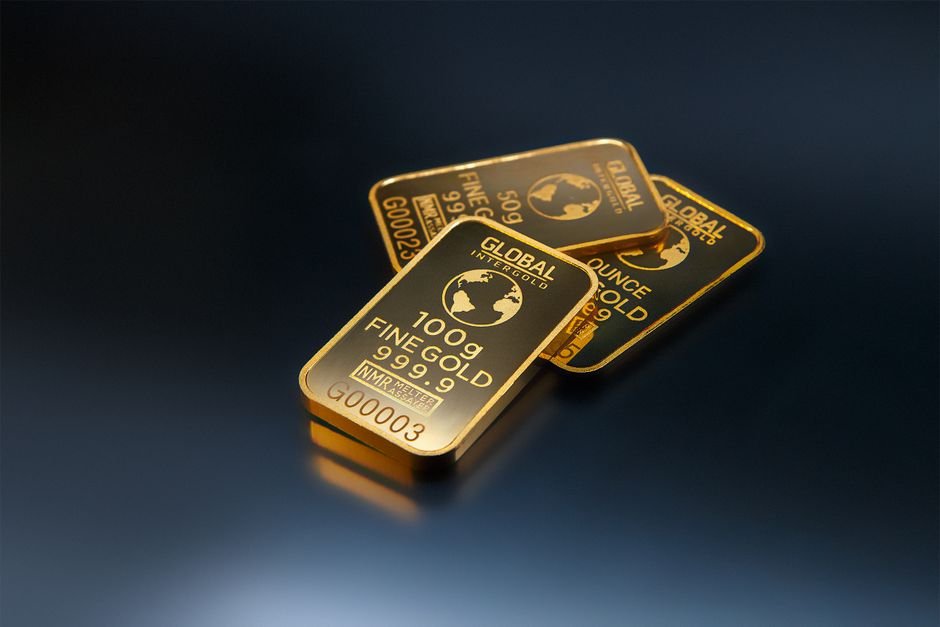
Most kilo bars are rectangular and relatively flat, making them easy to stack and store. Each bar is stamped with the refinery’s name and logo, the exact weight, the fineness, and a unique serial number. That serial number is critical — it links the bar to a certificate of authenticity and makes the bar traceable. Never buy a kilo bar that lacks a serial number or comes without documentation.
Major refineries that produce widely recognized kilo bars include PAMP Suisse, Valcambi, Argor-Heraeus, Perth Mint, and the Royal Canadian Mint, among others. Bars from these refineries are accepted by dealers and institutions worldwide, which matters enormously when you eventually want to sell or trade.
How the Premium Works on a Kilo Gold Bar
When you buy any gold product, you pay a premium above the spot price of gold. The spot price is the raw market price for one troy ounce of gold at a given moment. On a kilo bar, because you are buying roughly 32 troy ounces at once, the premium per ounce is typically lower than it would be on a one-ounce coin or small bar. That efficiency is one of the strongest arguments for choosing a kilo format.
Premiums vary by refinery and market conditions. Bars from well-known refineries carry a slightly higher premium than bars from lesser-known mints, but they are also easier to resell at a fair price. Budget bars with low premiums can be harder to liquidate quickly if a buyer cannot verify the refinery’s reputation. Think of the premium as partly covering manufacturing, assaying, and global brand recognition.
You can check live pricing at absolutebullion.com to see current kilo bar prices at spot. Understanding what you are paying above spot — and why — puts you in a much stronger position as a buyer.
Assay Cards, Packaging, and Why They Matter
Most investment-grade kilo bars come sealed in a protective assay card or blister pack from the refinery. The assay card contains the bar’s serial number, weight, fineness, and the refinery’s verification mark. Keeping the bar in its original sealed packaging protects both the bar and your ability to resell it at full market value. A damaged or missing assay card can reduce the price a dealer is willing to pay when you sell.
Some kilo bars, particularly older ones or those sourced from institutional holdings, arrive without original packaging. This is not necessarily a red flag, but it does mean the bar should be independently verified before purchase. Reputable dealers test ungrouped bars with X-ray fluorescence analyzers or ultrasonic testing equipment before putting them up for sale.
Store your assay documentation somewhere separate from the bar itself — for example, in a fireproof document safe or a safety deposit box. If a bar is ever lost, stolen, or damaged, having the paperwork with the serial number gives you a documented record of ownership and value.
How to Verify a Kilo Gold Bar Is Genuine
Counterfeiting exists in the gold market, and kilo bars are a high-value target. That is why buying from a reputable, established dealer is so important. A trusted dealer tests every bar before it is listed for sale. If you ever receive a bar and want additional peace of mind, here are a few practical steps you can take:
- Check the dimensions and weight: Gold has a very specific density. A genuine kilo bar will match published dimensions for that refinery’s product. A small jewelry scale accurate to 0.1 grams will confirm the weight.
- Use a rare earth magnet: Gold is not magnetic. If a bar reacts to a strong magnet, something is wrong.
- Look up the serial number: Some refineries, such as PAMP Suisse, offer online serial number verification through their websites.
- Request professional testing: Any established precious metals dealer can run an XRF test or ultrasonic scan to confirm gold content quickly and non-destructively.
Buying from an established dealer like Absolute Bullion eliminates most of this uncertainty, since reputable dealers authenticate bars before they reach you.
Storage and Insurance for Kilo Gold Bars
Because a kilo bar represents substantial value, storage and insurance deserve serious thought before you buy. Your three main options are home storage, a bank safe deposit box, or a professional precious metals vault.
Home storage gives you direct access but requires a high-quality, bolt-down safe rated for both fire and theft. Make sure your homeowner’s or renter’s insurance policy actually covers precious metals — many standard policies have strict limits on bullion coverage, so you may need a separate rider or a specialty policy through a company that covers collectibles and valuables.
A bank safe deposit box is inexpensive and physically secure, but access is limited to banking hours and the contents are not insured by the bank itself. Professional vaulting services offer allocated storage, full insurance, and 24/7 security monitoring. For buyers holding multiple kilo bars, professional vaulting often makes the most financial and practical sense.
When and How to Sell a Kilo Gold Bar
Liquidity is one of gold’s core advantages as an asset. Kilo bars from major refineries can be sold quickly to any reputable dealer. The resale price will be tied to the spot price at the time of sale, minus the dealer’s buy-side spread. Keeping your bar in original sealed packaging, with the assay card intact, ensures you receive the best possible offer.
Plan ahead for tax reporting. In the United States, gains from selling precious metals are generally subject to capital gains tax. Keep clear purchase records — date of purchase, price paid, and the bar’s serial number — so your accountant has what they need when the time comes. Laws vary by state as well, so consulting a tax professional familiar with physical assets is wise.
A kilo gold bar is a substantial investment of attention as well as money. Understanding premiums, authentication, storage, and resale mechanics makes you a confident buyer rather than a cautious one. Visit absolutebullion.com to browse available kilo bars, compare refineries, and check live pricing — then make your purchase knowing exactly what you are getting and why.
