
Market Insights
What Is the Mint Premium on Gold Coins? A Complete Guide
Sep
When you buy a gold coin, you almost never pay exactly the spot price of gold. You pay more — sometimes a little more, sometimes quite a bit more. That difference is called the mint premium, and understanding it is one of the first things any new precious metals buyer should learn. This guide breaks down exactly what the mint premium is, why it exists, and how to think about it when you’re shopping for gold coins.
What Is Spot Price, and Why Doesn’t Gold Sell at Spot?
Spot price is the current market price for one troy ounce of raw, unrefined gold traded on global commodity exchanges. It changes by the second during trading hours and reflects worldwide supply and demand. You can think of it as the baseline value of the metal itself — nothing more, nothing less.
The problem is that raw gold on a commodity exchange is not the same thing as a finished, government-issued gold coin sitting in a protective capsule. Getting from molten metal to a legal-tender American Gold Eagle takes equipment, labor, quality control, packaging, and distribution. None of that is free. The spot price doesn’t include any of those costs, which is exactly why no dealer — anywhere in the world — can sell you a finished coin at exactly spot price.
Defining the Mint Premium
The mint premium, sometimes just called the “premium over spot,” is the amount you pay above the spot price for a finished gold coin. It is usually expressed as a dollar amount per coin or as a percentage above spot. For example, if spot gold is trading at a certain price and a one-ounce coin sells for thirty dollars more, the premium is thirty dollars, or whatever percentage that represents of the spot price at that moment.
The premium is not a profit the dealer invented out of thin air. It reflects real, layered costs: the government mint’s own fabrication and distribution fees, the wholesaler’s margin, and finally the retail dealer’s margin. Every hand the coin passes through adds a small slice to the final price you see. This is completely normal and applies whether you shop online, at a coin show, or at a local coin shop.
It’s also worth knowing that the premium is separate from sales tax, shipping, or any insurance costs. When comparing prices between dealers, make sure you’re looking at the all-in cost, not just the listed coin price.
What Factors Make Premiums Higher or Lower?
Not every gold coin carries the same premium, and several factors drive that difference.
- Coin size: Smaller coins — quarter-ounce, tenth-ounce — typically carry higher percentage premiums than one-ounce coins. The production cost per coin doesn’t shrink as fast as the metal content does.
- Mintage and rarity: Coins struck in limited quantities or from older dates can carry higher premiums because collectors want them.
- Numismatic value: Proof coins, special finishes, and collectible issues add a collector premium on top of the base fabrication premium.
- Market demand: During periods of economic uncertainty or high investor interest, demand for physical gold spikes. When the mint can’t keep up, premiums rise across the board.
- Dealer overhead: A dealer with lower operating costs can sometimes offer tighter premiums than one with a large retail storefront.
Supply chain disruptions also play a real role. If a government mint slows production, inventory shrinks, and dealers must pay more to source coins — and that cost gets passed to buyers.
Popular Gold Coins and Their Typical Premium Ranges
Different coins have different baseline premiums because of their production costs and market positioning. Bullion coins — those designed primarily for investors rather than collectors — tend to have the lowest premiums among finished coins.
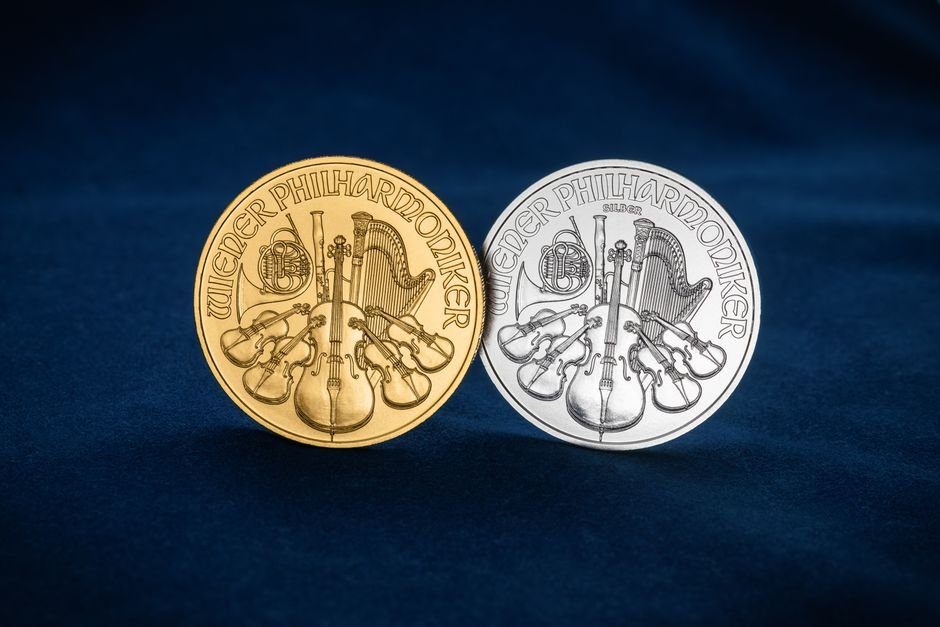
The American Gold Eagle is the United States’ official gold bullion coin and one of the most widely traded coins in the world. Because of its popularity and liquidity, it generally carries a moderate premium over spot. The American Gold Buffalo is struck in .9999 fine gold and also carries competitive premiums. International coins like the Canadian Gold Maple Leaf, South African Krugerrand, and Austrian Philharmonic often carry slightly lower premiums than Eagles because their production costs differ.
Proof versions of any of these coins will carry meaningfully higher premiums because of the additional production steps involved — polished dies, multiple strikes, and individual quality inspection. They appeal more to collectors than to pure bullion buyers.
How to Evaluate Whether a Premium Is Fair
A reasonable first step is to check the spot price and then compare total coin prices across several reputable dealers on the same day. Because spot price moves constantly, make sure you’re comparing prices pulled at roughly the same time.
Ask yourself these practical questions before buying:
- Is the premium in line with what other dealers are charging for the same coin?
- Am I paying extra for a numismatic or proof finish I don’t actually need?
- Does the dealer clearly show the premium or only the total price?
- What will this coin likely sell for if I want to resell it later?
Liquidity matters when you think about resale. A coin with a very high premium because of its collectible status may be harder to sell quickly at full value unless you find the right buyer. Standard bullion coins like Eagles and Maple Leafs are bought and sold by dealers worldwide, which makes them easy to liquidate at prices closely tied to spot.
Premiums When You Sell: The Buy-Sell Spread
Most buyers focus on the premium they pay going in, but it’s equally important to understand what happens when you sell. When you sell gold coins back to a dealer, you typically receive spot price or slightly below it — not the full price with premium. The difference between what you paid (spot plus premium) and what you receive when selling is called the buy-sell spread, and it represents the true round-trip cost of owning physical gold coins.
This doesn’t mean premiums are a waste. They’re the cost of owning a finished, government-guaranteed, easily tradeable form of gold. But it does mean that gold coins make the most sense as a medium- to long-term holding rather than something you buy and sell within days. Understanding this upfront helps you set realistic expectations from the start.
Knowing how the mint premium works puts you in a much stronger position as a buyer. You can compare prices clearly, choose the right coin for your goals, and avoid overpaying for features you don’t need. When you’re ready to explore your options, visit Absolute Bullion to see current inventory and pricing at current spot price — all from a trusted California-based dealer committed to transparency. Start with the basics, buy what you understand, and let your knowledge grow alongside your portfolio.
