
Market Insights
How to Sell Gold Bullion for the Best Price: A Complete Guide
Aug
Selling gold bullion might feel straightforward — you have gold, someone wants to buy it, and you get paid. But the reality is that how and where you sell makes a significant difference in how much money ends up in your pocket. Buyers offer wildly different prices, and without knowing the basics, it is easy to leave real money on the table. This guide walks you through everything you need to know to sell your gold bullion confidently and get the best possible return.
Understand What Your Gold Is Actually Worth
Before you talk to a single buyer, you need to know the baseline value of what you are selling. Gold is priced globally by the troy ounce, and that price — called the spot price — changes throughout every trading day based on market conditions. The spot price is the foundation of any fair transaction. If a buyer will not reference it, that is a red flag.
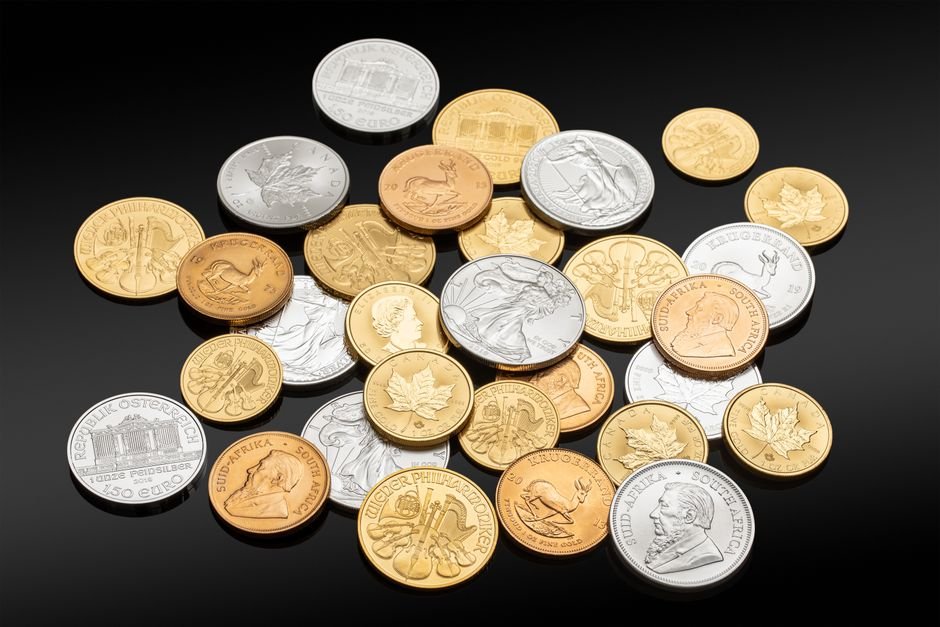
Your gold bullion’s value depends on a few key factors: its weight in troy ounces, its purity (measured in fineness or karats), and whether it carries any additional premium because of its form. A one-ounce American Gold Eagle coin, for example, may sell for slightly more than a generic one-ounce gold bar because of its recognizability and government backing. Understanding these details before you walk into any conversation gives you real negotiating power.
You can check the current spot price on financial websites or directly at absolutebullion.com, which displays live pricing. Once you know the spot price per ounce and the weight of your gold, you have a clear benchmark to measure any offer against.
Know the Types of Buyers — and Their Trade-Offs
Not all gold buyers are created equal. The major categories include local coin shops, pawn shops, online dealers, and direct peer-to-peer sales. Each has pros and cons, and the right choice depends on how quickly you need cash, how much gold you are selling, and how much effort you are willing to put in.
Pawn shops are convenient but typically offer the lowest prices. Their business model requires a wide profit margin, so expect offers well below spot in many cases. Local coin shops can be better, especially established ones with a strong reputation — but quality varies widely by location. Some shops are knowledgeable and fair; others are not.
Online precious metals dealers often offer more competitive buyback prices because they have lower overhead, access to broader markets, and move higher volume. Selling directly to another collector or investor through a reputable marketplace can sometimes yield the best price, but it requires more work, patience, and trust in the transaction process.
Get Multiple Offers Before You Commit
One of the most practical things you can do is shop your gold around before accepting any offer. Prices can vary significantly between buyers — sometimes by several percentage points — and getting at least three quotes puts you in a strong position to negotiate or simply choose the best deal.
When you contact buyers, be specific about what you have. Tell them the exact product — for example, a one-ounce Canadian Gold Maple Leaf coin, a ten-ounce PAMP Suisse gold bar, or a one-ounce generic round. Mention the quantity and the condition. Vague descriptions lead to vague offers. Specific details lead to firm, comparable quotes.
Do not be afraid to use competing offers as leverage. A reputable dealer who wants your business will often work to match or beat a competing quote. If a buyer refuses to negotiate at all or cannot explain how they arrived at their number, take your business elsewhere.
Watch Out for Common Seller Pitfalls
There are a few mistakes that cost gold sellers money repeatedly. Being aware of them in advance keeps you protected.
- Selling too quickly out of urgency: If you do not absolutely need the cash immediately, take time to compare offers. Rushed decisions almost always favor the buyer, not the seller.
- Ignoring fees and deductions: Some buyers advertise attractive rates but subtract assay fees, shipping costs, or handling charges. Always ask for the net amount you will actually receive.
- Trusting unsolicited buyers: Be cautious of unsolicited calls, mailers, or pop-up buyers at hotels or temporary locations. Established, permanent businesses are easier to verify and hold accountable.
- Not verifying credentials: Look for buyers who are members of recognized industry organizations and have verifiable reviews. Check their Better Business Bureau rating and read independent customer feedback.
- Selling rare coins as bullion: If your gold item has numismatic or collectible value — meaning it is rare, historically significant, or in exceptional condition — selling it strictly for its gold content could mean a major loss. Have rare pieces appraised separately before selling.
Prepare Your Gold and Documentation
Presentation matters more than most sellers expect. Gold bullion in its original mint packaging, with an assay card intact, typically commands better offers because it is immediately verifiable and more desirable to future buyers. If you have kept your coins or bars in their original capsules or sealed packaging, do not open them before selling.
Gather any documentation you have, including original receipts, certificates of authenticity, or chain of custody records. While not every buyer requires this paperwork, it adds credibility to your sale and can support a higher offer. It also speeds up the transaction because the buyer has fewer questions to resolve.
Be prepared to provide valid government-issued photo identification. Federal law requires precious metals dealers to collect identifying information for transactions above certain thresholds. This is standard practice and a sign of a legitimate, compliant business — not a cause for concern.
Timing Your Sale Strategically
Gold prices fluctuate based on global economic conditions, inflation expectations, currency movements, and geopolitical events. While no one can predict the market perfectly, paying attention to broader trends can help you choose a favorable window to sell.
Generally speaking, gold prices tend to rise during periods of economic uncertainty, high inflation, or weakening confidence in financial systems. If the market has recently moved higher and you are satisfied with the return relative to what you paid, that may be a reasonable time to act. Waiting for a perfect peak is rarely productive — strong prices today are real, while a hoped-for higher price tomorrow is not guaranteed.
Check the at-current spot price regularly in the weeks before you plan to sell so you have a feel for recent movement. Sudden sharp rises are sometimes followed by pullbacks, while steady climbs may indicate sustained demand.
Conclusion
Selling gold bullion well comes down to preparation, patience, and knowing your options. Understand what your gold is worth at current spot price, compare offers from multiple buyers, avoid common pitfalls, and take the time to present your gold properly. Whether you are selling a single coin or an entire collection, these steps protect your interests and maximize your return. When you are ready to explore buyback options from a trusted California-based dealer, visit Absolute Bullion to get started with confidence.
