
Market Insights
.999 Fine Gold: What It Means and Why It Matters for Buyers
Aug
If you’ve started shopping for gold, you’ve probably seen the number “.999” stamped on coins and bars. That three-digit figure isn’t just a serial code — it tells you exactly how pure the gold is and directly affects what you’re buying, what you’ll pay, and how easy it will be to resell. Understanding gold purity is one of the first things any serious buyer should learn, and the good news is that it’s simpler than it looks.
What Does .999 Fine Gold Actually Mean?
Gold purity is measured in a system called millesimal fineness, which expresses the ratio of pure gold in a piece out of 1,000 parts. A bar or coin stamped .999 contains 999 parts pure gold out of 1,000, which works out to 99.9% purity. That’s why you’ll often see it called “three nines fine” or simply “fine gold.” For most bullion buyers, .999 is the standard benchmark.
You may also see .9999, which represents 99.99% purity — sometimes called “four nines fine.” A small number of products reach .99999, or five nines fine. Each step up in purity means fewer trace impurities remain in the metal. While the difference between .999 and .9999 sounds tiny, it matters in certain manufacturing, electronics, and collector contexts where even microscopic contaminants are unacceptable.
The alternative system you’ll encounter is karats, used mostly for jewelry. Pure gold is 24 karats. Eighteen-karat gold is 75% pure, 14-karat is about 58.3% pure, and so on. Bullion products are almost never described in karats — you’ll see millesimal fineness stamps instead. Knowing the difference keeps you from confusing a jewelry purchase with a bullion investment.
How Purity Affects the Value of Your Gold
The spot price of gold — the global market price traded on exchanges — applies to pure gold. When you buy a .999 fine bar, you’re paying for metal that is essentially 100% gold, with only a negligible fraction of other elements. This tight relationship between purity and spot price is what makes bullion straightforward to price and trade.
Lower-purity gold products, like certain coins minted with alloys for durability, contain less actual gold per ounce. A 22-karat gold coin, for example, is about 91.67% gold. It still has real gold value, but you’ll need to account for the alloy content when calculating how much pure gold you actually own. High-purity bullion removes that complexity — what you see is essentially what you get.
Premiums over spot price also vary with purity. Highly refined .9999 products sometimes carry a slightly higher premium than .999 products because the refining process is more costly. However, for most retail buyers, both grades are excellent choices, and the premium difference is usually modest.
Common .999 Fine Gold Products on the Market
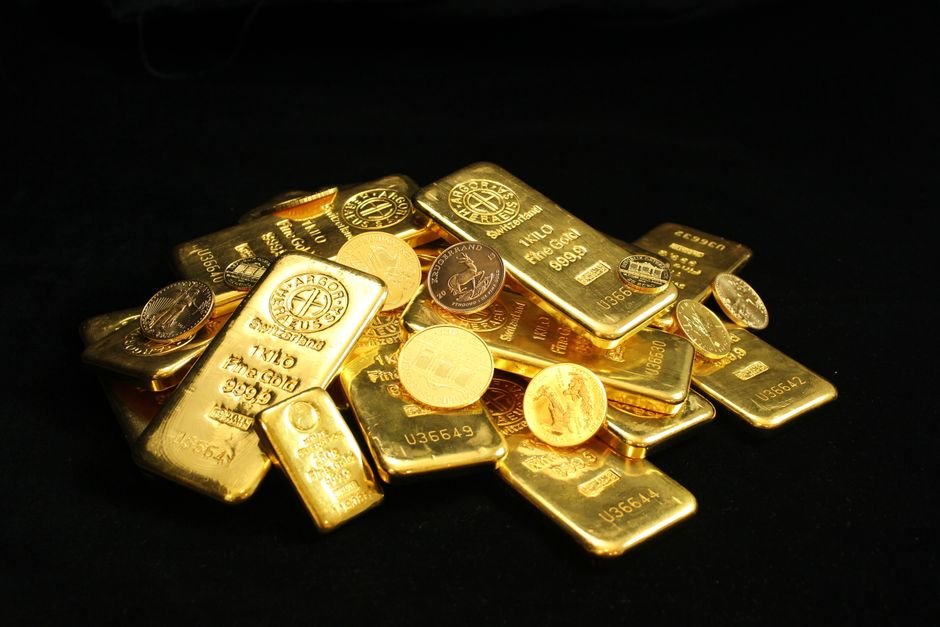
The vast majority of gold bars sold by reputable dealers carry a .999 or .9999 fineness stamp. These bars come from accredited refineries around the world and range in size from as small as one gram up to 400 troy ounces. Each bar will display its weight, purity, the refinery’s name or hallmark, and often a unique serial number for authentication purposes.
Many of the world’s most popular gold coins are also struck at .999 or .9999 fineness. The Canadian Gold Maple Leaf, for instance, is famous for being one of the first major government coins to achieve .9999 purity. Other coins, such as the American Gold Eagle, are intentionally alloyed to .9167 (22 karat) to make them more scratch-resistant for everyday handling, yet they still contain exactly one troy ounce of gold in the one-ounce version — the total weight is simply higher because of the added alloy.
Rounds — privately minted coins that are not legal tender — are another common .999 product. They typically carry lower premiums than government-minted coins and are a practical way to accumulate gold by weight without paying for numismatic or collectible value.
What to Look for When Verifying Purity
Any reputable gold product will have its purity clearly stamped or engraved on the piece itself. For bars, you should see the fineness mark (.999 or .9999), the weight in troy ounces or grams, and the refinery’s hallmark. Coins from government mints are guaranteed by the issuing country, which adds an additional layer of assurance.
Third-party certification is another strong indicator of authenticity. Organizations like the Professional Coin Grading Service (PCGS) and the Numismatic Guaranty Company (NGC) examine and seal coins in tamper-evident holders, grading both authenticity and condition. While certification adds to the purchase price, it provides clear documentation that can make resale smoother, especially for rarer or higher-value pieces.
When shopping for bullion, always buy from established, transparent dealers. Look for sellers who clearly list the refinery or mint, provide verifiable product descriptions, and have straightforward return and buyback policies. Buying from unknown sources or unverified online marketplaces introduces unnecessary risk of receiving counterfeit or misrepresented metal.
Why Purity Matters When You Eventually Sell
Liquidity — how easily you can sell your gold — is closely tied to purity and product recognition. A .999 or .9999 fine bar from a well-known refinery is immediately recognizable to dealers and other buyers worldwide. That recognition speeds up the resale process and reduces the likelihood of disputes over value.
Gold that falls below standard fineness thresholds may require assay testing before a dealer will purchase it. Assaying is the process of chemically analyzing the metal to confirm its actual purity. While it’s a routine procedure for scrap gold or unusual pieces, it adds time and cost to the transaction. Sticking with recognized .999 fine bullion products largely avoids that step.
IRS rules in the United States also specify minimum purity standards for gold held in a self-directed Individual Retirement Account (IRA). Gold must meet a fineness of .995 or higher to qualify. Most standard .999 or .9999 bullion products easily clear that threshold, making them eligible for inclusion in a precious metals IRA if that’s part of your financial planning.
Practical Tips for First-Time Gold Buyers
- Start with recognizable products. Government-minted coins and bars from major accredited refineries are the easiest to buy, verify, and resell.
- Compare premiums, not just spot price. The premium over spot is your real cost of entry. Compare premiums across products to find the best value for your budget.
- Check the fineness stamp before purchasing. Whether buying online or in person, confirm the purity marking matches what the seller advertises.
- Store your gold securely. A home safe or third-party vault storage protects your investment from theft or damage.
- Keep documentation. Save your receipts, certificates, and any assay cards that come with your purchase. They simplify future sales.
Understanding .999 fine gold gives you a solid foundation for making confident purchasing decisions. Purity affects price, resale ease, and even tax-advantaged account eligibility — so it’s worth getting right from the start. Whether you’re buying your first gram or building a larger position, visiting Absolute Bullion is a smart next step. You’ll find clearly marked fine gold products at current spot price with transparent premiums, so you always know exactly what you’re getting before you buy.
