
Market Insights
Gold vs Cryptocurrency: Which Is the Safer Investment in 2025?
Jul
When it comes to protecting and growing your wealth, few debates are hotter right now than gold versus cryptocurrency. Both assets have passionate supporters, and both have delivered remarkable gains for some investors over the years. But they work in fundamentally different ways, carry very different risks, and serve very different purposes in a financial plan. If you are trying to decide where your money belongs in 2025, this guide will walk you through the key differences so you can make a clear-headed decision.
What Makes Gold a Time-Tested Store of Value
Gold has been recognized as a store of value for thousands of years across virtually every civilization on earth. Unlike paper currency or digital tokens, physical gold cannot be created out of thin air, hacked, or deleted. Its supply is naturally limited by how much exists in the earth’s crust and how much can be economically mined, which has historically helped it maintain purchasing power over long periods of time.
Gold is also universally accepted. A gold bar or coin holds value in California, in Tokyo, and in Zurich without any special technology, internet connection, or platform required. That universality is one of the reasons central banks around the world continue to hold gold as a core reserve asset. When financial systems come under stress, gold has historically acted as a stabilizing force in portfolios.
Physical gold carries no counterparty risk when you hold it directly. There is no company behind it that can go bankrupt, no developer team that can abandon the project, and no server that can go offline. What you hold, you own outright — a fact that appeals strongly to investors who want genuine financial independence.
Understanding the Cryptocurrency Landscape in 2025
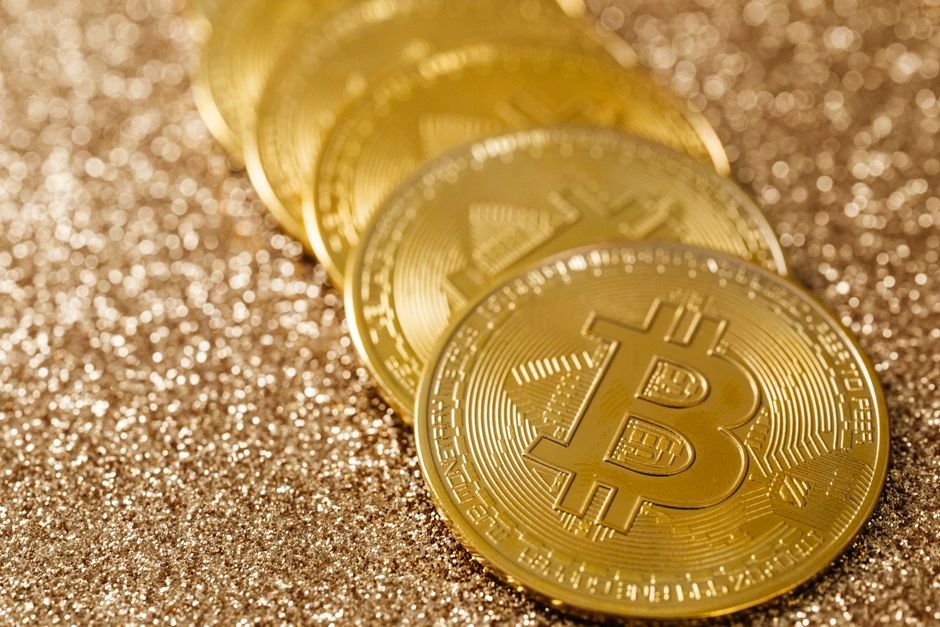
Cryptocurrency is a digital asset secured by cryptographic technology and recorded on a decentralized ledger called a blockchain. Bitcoin is the most well-known example, but thousands of cryptocurrencies exist today with very different use cases, risk profiles, and underlying technologies. In 2025, crypto has moved from a fringe concept to a recognized asset class, with institutional adoption growing and regulatory frameworks slowly taking shape in many countries.
One of the strongest arguments for cryptocurrency is its potential for rapid appreciation. Some early crypto investors saw extraordinary returns over short periods. However, that same volatility cuts both ways — dramatic price collapses have also wiped out significant amounts of value within days or even hours. Unlike gold, which has centuries of price history to study, cryptocurrency has existed for less than two decades, giving analysts relatively little data to work with.
Cryptocurrency also comes with unique risks that gold simply does not share. Exchange hacks, lost private keys, scam projects, and sudden regulatory crackdowns have cost investors billions of dollars in recent years. While blockchain technology itself is considered secure, the ecosystem built around it — wallets, exchanges, and applications — introduces real vulnerabilities that require a high level of technical understanding to navigate safely.
Comparing Volatility and Risk
Volatility is perhaps the starkest difference between the two assets. Gold prices do move, and they can move significantly during periods of economic uncertainty. But gold’s daily and monthly swings are modest compared to what cryptocurrency markets routinely experience. It is not unusual for a major cryptocurrency to gain or lose thirty percent or more of its value within a single month.
For investors who are retired, near retirement, or simply cannot afford large drawdowns in their portfolio, this level of volatility is a serious concern. A twenty or thirty percent loss in gold would be historically extraordinary and would likely reflect a significant global event. That same loss in crypto can happen during a relatively ordinary week of trading.
Risk tolerance is deeply personal, and there is no universal right answer. Younger investors with long time horizons and stable incomes may be comfortable holding a small percentage of their portfolio in higher-risk assets like cryptocurrency. But for anyone prioritizing capital preservation — protecting what they already have — gold has a substantially stronger track record of fulfilling that role.
Liquidity, Accessibility, and Practical Ownership
Both gold and cryptocurrency are reasonably liquid, meaning you can convert them to cash without too much difficulty. However, they differ significantly in how you access and store them. Cryptocurrency requires a digital wallet, an exchange account, and enough technical literacy to avoid costly mistakes. Losing access to a crypto wallet without a backup phrase means losing your assets permanently — there is no customer service department that can help you recover them.
Physical gold is tangible and straightforward. You can hold a gold coin in your hand, store it in a safe, or keep it in a secure vault. Buying from a reputable dealer like Absolute Bullion ensures you receive authentic, properly weighted precious metals at current spot price, and you walk away with an asset you can see and touch. There is something deeply reassuring about that kind of ownership, especially during times when digital systems feel unreliable.
That said, physical gold does require secure storage and insurance if you hold large amounts, which adds some cost and responsibility. Many investors use a combination of home storage for smaller amounts and professional vaulting services for larger holdings. These are solvable logistical challenges with well-established solutions.
How Each Asset Performs During Economic Stress
One of the most important questions to ask about any investment is how it behaves when things go wrong. During the 2008 financial crisis, gold rose significantly as stock markets collapsed and banks failed. During the early months of the COVID-19 pandemic in 2020, gold again performed well as a safe-haven asset while other markets experienced severe turbulence.
Cryptocurrency’s track record during genuine economic crises is short and mixed. During the 2020 market selloff, Bitcoin initially fell sharply alongside equities before recovering strongly later that year. In 2022, as inflation climbed and interest rates rose sharply, many cryptocurrencies lost the majority of their value — a period that tested the “digital gold” narrative and found it wanting for many investors.
This does not mean cryptocurrency has no place in a well-constructed portfolio, but it does suggest that relying on it as a primary hedge against economic stress carries meaningful risk. Gold’s role as crisis insurance is far better supported by historical evidence spanning multiple decades and market cycles.
Building a Balanced Approach
Many experienced investors do not treat this as a binary choice. A thoughtful portfolio might include a core position in physical gold for stability and wealth preservation, alongside a small, carefully sized allocation to cryptocurrency for those comfortable with the higher risk and potential reward. The key is sizing each position according to your actual risk tolerance, not your optimism.
- Prioritize stability: If your primary goal is preserving wealth, gold should anchor your hard-asset allocation.
- Limit speculative exposure: Only allocate to cryptocurrency what you could afford to lose entirely without affecting your financial security.
- Diversify within each category: Within precious metals, consider a mix of gold and silver. Within crypto, avoid concentrating heavily in lesser-known tokens.
- Store assets securely: Whether physical gold or a hardware wallet, security is non-negotiable.
- Review regularly: Markets change, and your allocations should be reviewed at least annually.
Gold and cryptocurrency each have genuine strengths and real weaknesses. But if safety, reliability, and long-term wealth preservation are your priorities in 2025, gold’s historical track record gives it a clear advantage over crypto’s shorter and more turbulent history. To explore your options for buying gold and silver at current spot price, visit absolutebullion.com and take the first step toward a more secure financial foundation.
