
Market Insights
Gold Prices During COVID-19: How the Pandemic Drove Gold to Record Highs
Jun
When the COVID-19 pandemic swept across the globe in early 2020, financial markets were thrown into chaos. Stock markets posted some of their worst single-day losses in history, businesses shut down overnight, and governments scrambled to respond. In that environment of fear and uncertainty, investors turned to one of the oldest safe-haven assets in existence: gold. What followed was a remarkable run that pushed gold prices to record highs and reminded a new generation of investors why the yellow metal has always had a place in a diversified portfolio.
The Initial Shock: Markets Panic, Gold Responds
In late February and March of 2020, as the reality of a global pandemic set in, financial markets went into freefall. Major stock indices lost roughly a third of their value in a matter of weeks. Interestingly, gold experienced a brief sell-off during this initial panic phase as investors liquidated assets to raise cash. This is a pattern that has appeared in other crises as well — even gold can dip when investors need liquidity fast.
However, that dip was short-lived. Once the immediate cash panic subsided and governments began announcing massive economic stimulus packages, gold shifted decisively upward. Investors recognized that the flood of newly printed money would likely weaken currencies and stoke inflation over time, two conditions that have historically been very favorable for gold prices.
By April 2020, gold had already recovered its losses and was trading at multi-year highs. The stage was set for an extraordinary rally that would last well into the following year.
Why Uncertainty Drives Demand for Gold
Gold’s role as a safe-haven asset is not a modern invention. For thousands of years, gold has held value during wars, economic collapses, and times of political turmoil. The reason comes down to a few core properties: gold is durable, universally recognized, and cannot be printed or created out of thin air by a central bank. When confidence in governments and financial systems erodes, confidence in gold tends to rise.
During the pandemic, uncertainty was at an extreme level. Nobody knew how long lockdowns would last, how many businesses would survive, or what the long-term economic damage would be. In that environment, investors — both retail buyers and large institutional funds — increased their gold holdings as a hedge against the unknown.
Demand for physical gold also surged at the retail level. Coin dealers and bullion companies reported shortages of popular products like American Gold Eagles and Gold Buffalos, with some buyers paying significant premiums above spot price just to secure physical metal. This grassroots demand was a clear signal that ordinary people were looking for something tangible to hold outside of the traditional financial system.
Record-Breaking Prices in the Summer of 2020
The gold rally reached its peak in August 2020, when prices surpassed the previous all-time high that had been set back in 2011 and pushed well above $2,000 per troy ounce for the first time in history. That milestone was significant not just as a number but as a symbol of how profoundly the pandemic had shaken investor confidence in currencies and conventional assets.
Several factors came together to push gold to that record level. Central banks around the world, including the Federal Reserve, slashed interest rates to near zero and launched massive bond-buying programs. Low interest rates reduce the opportunity cost of holding gold — since gold pays no interest, it becomes more attractive when bonds and savings accounts offer minimal returns. The combination of low rates and enormous government spending created a powerful tailwind for gold.
Silver followed a similar trajectory, with prices also surging sharply in 2020. For investors who found gold prices out of reach, silver offered an accessible entry point into the precious metals market, and many new buyers purchased silver for the first time during this period.
The Role of ETFs and Physical Demand
One notable feature of the 2020 gold rally was the massive inflow of money into gold-backed exchange-traded funds, or ETFs. These financial products allow investors to gain exposure to gold prices without taking physical delivery of the metal. Global gold ETF holdings reached record levels during 2020, reflecting both retail and institutional interest.
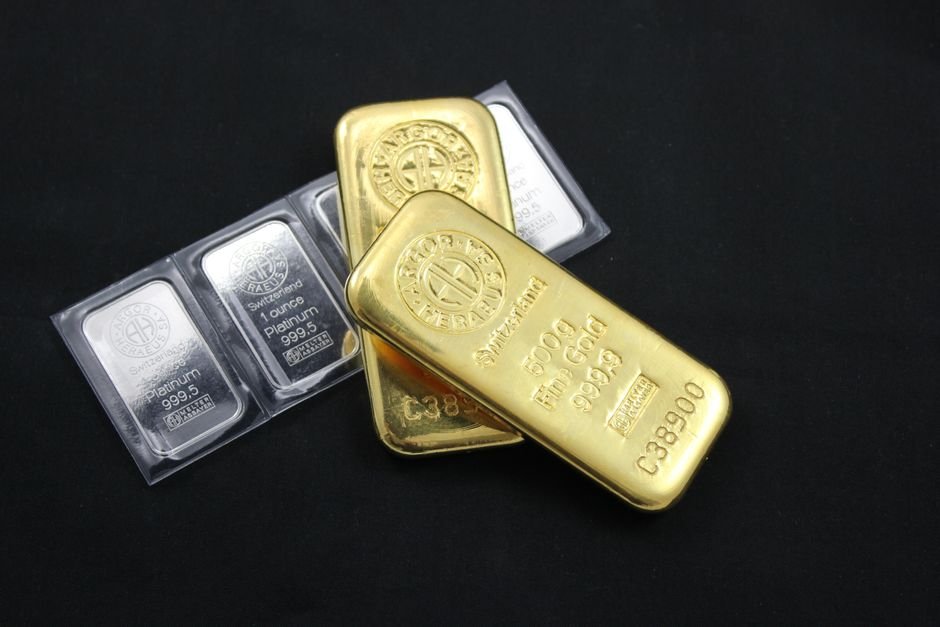
At the same time, demand for physical gold and silver — actual coins and bars you can hold in your hand — was exceptionally strong. Many experienced precious metals investors prefer physical ownership because it eliminates counterparty risk. A gold coin in your possession does not depend on a bank, a brokerage, or any other institution to retain its value. During a crisis that called the reliability of institutions into question, that distinction mattered more than ever to a lot of buyers.
If you are interested in owning physical gold or silver, Absolute Bullion offers a wide selection of coins and bars at current spot price, making it easy to start building your holdings today.
What the Pandemic Taught New Investors About Gold
One lasting effect of the COVID-19 era was a significant expansion of the precious metals buyer base. Millions of people who had never owned gold or silver before purchased their first coins or bars between 2020 and 2022. Many were motivated by concern about inflation, currency debasement, and the general instability of the times. For a large number of those new buyers, the experience confirmed what longtime gold owners had always believed: physical precious metals provide a level of financial security that paper assets simply cannot replicate.
The pandemic also highlighted the importance of having some portion of your savings in an asset that is not tied to the performance of the stock market or the decisions of a central bank. Portfolio diversification is a foundational principle of sound financial planning, and gold has historically served as an effective counterbalance to equity risk.
Practical takeaways for new buyers include starting with well-recognized products like American Gold Eagles or one-ounce gold bars from established refiners, buying consistently over time rather than trying to time the market, and storing your metals securely in a home safe or a professional vault.
Gold After the Pandemic Peak: Lessons for Today
After hitting its record high in August 2020, gold prices pulled back somewhat as vaccine rollouts began and economic confidence gradually returned. This is normal behavior for any asset that experiences a sharp rally driven by fear. Gold did not collapse — it simply found a new trading range at historically elevated levels, reflecting the permanent changes that massive monetary stimulus had made to the global financial landscape.
The lesson for investors is clear: gold is not a get-rich-quick vehicle. It is a long-term store of value and a hedge against the kinds of economic shocks that no one sees coming. The pandemic was a vivid reminder that those shocks can arrive at any time.
Whether you are building a precious metals position for the first time or adding to an existing collection, understanding the history of gold during major crises helps you make more informed decisions. Visit absolutebullion.com to view current inventory and live pricing, and take the next step toward protecting your financial future with physical gold and silver.
