
Market Insights
Gold During the 2008 Financial Crisis: How Precious Metals Performed When Markets Collapsed
Jun
The 2008 financial crisis remains one of the most severe economic meltdowns in modern history. Stock markets around the world lost trillions of dollars in value, major banks failed or required government bailouts, and millions of people watched their retirement accounts shrink dramatically. During that chaos, many investors turned to gold and other precious metals as a financial lifeline. Understanding how gold actually behaved during that period — including both its struggles and its strengths — gives today’s investors valuable context for thinking about precious metals in their own portfolios.
What Happened to Gold When the Crisis First Hit
When the financial system began unraveling in the fall of 2008, gold did something that surprised many first-time observers: it initially dropped in price. In the panic selling of September and October 2008, investors were liquidating everything they could to raise cash and meet margin calls. Gold was no exception. It fell sharply from highs reached earlier in the year, which confused people who expected it to immediately surge as a safe haven.
This short-term drop illustrates an important truth about precious metals. In extreme liquidity crises, even gold gets sold. When people need cash fast, they sell assets that have value — and gold definitely qualifies. However, this dip proved to be temporary. Once the immediate panic eased and the true scale of the financial damage became clear, gold began a powerful recovery that would carry it to historic highs over the following years.
Silver followed a similar pattern but with greater volatility. It fell more sharply during the panic phase, which is typical for silver because it has a smaller market and more industrial demand exposure. Investors who understood this dynamic and held through the volatility were ultimately rewarded as both metals recovered strongly.
Gold’s Recovery and the Years That Followed
After bottoming out in late 2008, gold began climbing steadily. The massive government stimulus programs, bank bailouts, and near-zero interest rate policies introduced by the Federal Reserve created exactly the kind of monetary environment where gold tends to thrive. Concerns about inflation, currency debasement, and the long-term health of the financial system pushed more investors toward physical gold.
By 2011, gold had reached prices that were dramatically higher than where it traded before the crisis, representing significant gains for those who had held through the turbulence or bought during the 2008 dip. This multi-year bull run demonstrated gold’s role not just as a crisis hedge, but as a longer-term store of value during periods of monetary uncertainty.
Silver also surged during this period, at one point outpacing gold’s percentage gains significantly. The gold-to-silver ratio, which measures how many ounces of silver it takes to buy one ounce of gold, moved dramatically during these years — something that active precious metals investors tracked closely when deciding how to allocate between the two metals.
Why Gold Held Value Better Than Most Financial Assets
While stocks, real estate, and many financial instruments experienced catastrophic losses during 2008 and 2009, gold preserved wealth in a way that few other assets did. The core reason is that gold carries no counterparty risk. It is not someone else’s promise to pay. It cannot go bankrupt. It does not depend on a corporation’s earnings or a government’s solvency to maintain its value.
This characteristic becomes especially important when the financial system itself is under stress. In 2008, people discovered that assets they thought were safe — money market funds, mortgage-backed securities, even shares in major financial institutions — could lose value rapidly. Physical gold and silver, held in your possession or in a secure vault, carried none of those systemic risks.
Investors who held a portion of their portfolio in physical precious metals going into 2008 found that those holdings helped cushion the blow from losses elsewhere. This is the diversification argument for gold made concrete by a real historical event, not a theoretical exercise.
Lessons for Investors Today
The 2008 experience offers several practical takeaways for anyone thinking about precious metals today. First, short-term price drops during a crisis do not necessarily mean gold has failed as a store of value. Liquidity events can temporarily push all asset prices down. The question is what happens over a longer time horizon.
Second, holding physical metal is different from holding gold through a paper instrument like an ETF or a mining stock. During a true financial crisis, paper claims on gold come with their own risks — counterparty exposure, fund redemption issues, or company-specific problems. Many serious precious metals investors prioritize owning the physical metal itself for this reason.
Third, having a plan before a crisis hits matters enormously. Investors who thought clearly about their gold allocation in calm times were better positioned to hold steady — or even buy more — during the 2008 panic rather than making emotional decisions. If you are considering precious metals for your portfolio, doing that thinking now makes sense.
Which Gold Products Make Sense for New Buyers
If the lessons of 2008 have you thinking about adding physical gold or silver to your holdings, the next step is understanding what to buy. For most new investors, standard government-minted bullion coins are an excellent starting point. Products like the American Gold Eagle, the American Gold Buffalo, and the Canadian Gold Maple Leaf are universally recognized, easy to buy and sell, and available in various sizes to fit different budgets.
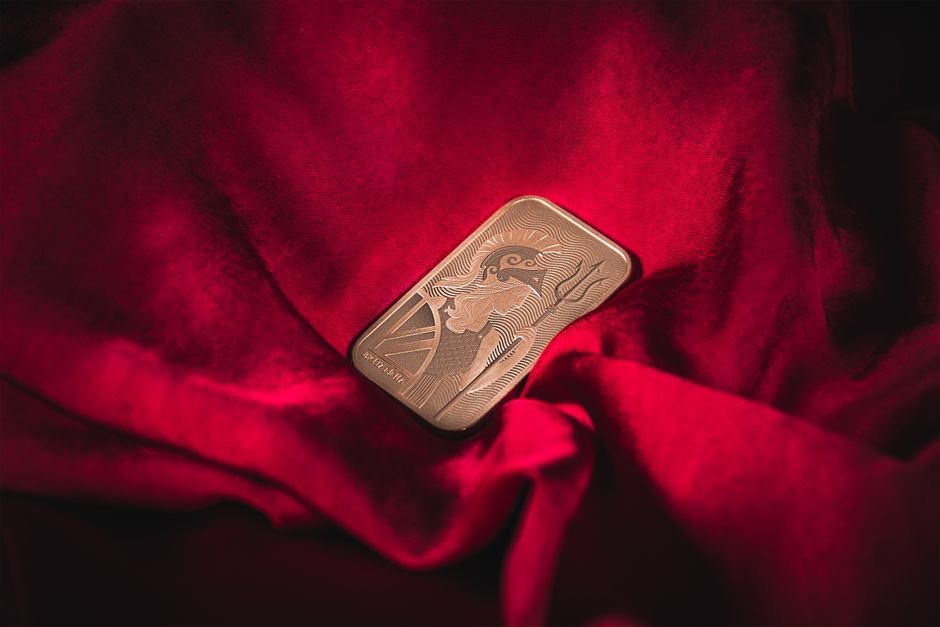
Gold and silver bars from reputable refiners offer another option, typically with lower premiums over spot price compared to coins. Silver bullion coins like the American Silver Eagle are popular for investors who want exposure to precious metals at a lower per-unit cost than gold.
- American Gold Eagle — the most widely recognized U.S. gold bullion coin
- American Gold Buffalo — .9999 fine gold, popular with purity-focused buyers
- Canadian Gold Maple Leaf — globally recognized with high purity standards
- Gold and silver bars — efficient way to buy larger quantities at tighter premiums
- American Silver Eagle — the world’s best-selling silver bullion coin
You can explore all of these products and check at current spot price at absolutebullion.com, where Absolute Bullion offers a full selection of coins and bars from trusted mints and refiners.
How Much of Your Portfolio Should Be in Precious Metals
There is no single right answer here, and no financial outcome is ever guaranteed. What financial history does suggest is that a reasonable allocation to physical precious metals can serve as a stabilizing force during periods of market stress. Many financial commentators and advisors who discuss portfolio construction reference precious metals as a component, though the appropriate amount varies based on individual circumstances, goals, and risk tolerance.
The 2008 crisis showed that the investors who fared best were those with diversified holdings that included assets not tied to the performance of the financial system itself. Precious metals were a key part of that picture for many people who navigated the crisis successfully.
The events of 2008 serve as a powerful real-world reminder of why physical gold and silver have played a role in wealth preservation for centuries. If you are ready to learn more or make your first purchase, visit absolutebullion.com to browse current inventory and get started with confidence.
