
Market Insights
Numismatic vs Bullion Coins: What Every Precious Metals Investor Should Know
May
When you start exploring precious metals, you’ll quickly run into two very different types of coins: numismatic coins and bullion coins. At first glance, they might look similar — both are made of gold, silver, or other precious metals, and both carry a face value. But how they’re priced, traded, and valued couldn’t be more different. Understanding that distinction before you spend a single dollar is one of the most important steps you can take as a new investor.
What Are Bullion Coins?
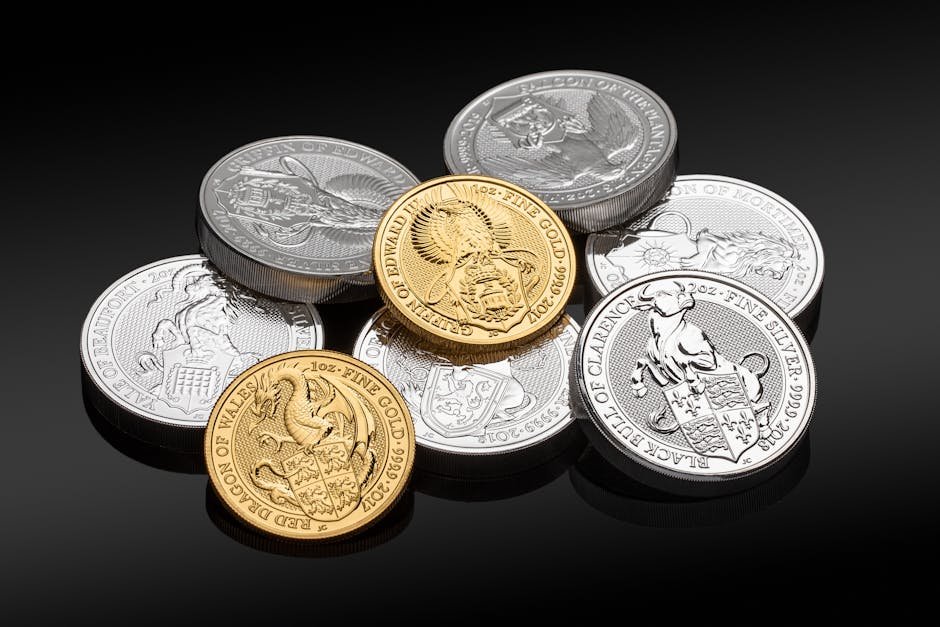
Bullion coins are produced primarily for investment purposes. Their value is tied directly to the weight and purity of the metal they contain. When you buy a one-ounce gold American Eagle or a one-ounce silver Maple Leaf, you’re essentially buying that ounce of metal at a small premium above the current spot price. The coin’s design and age matter very little to its market value.
Bullion coins are minted by government mints around the world and carry a guaranteed metal content. This makes them easy to verify, easy to price, and easy to sell. Because their value moves in step with commodity markets, you always have a clear benchmark for what your coins are worth at any given moment.
Popular bullion coins include the American Gold Eagle, American Silver Eagle, Canadian Maple Leaf, South African Krugerrand, and Austrian Philharmonic. These are widely recognized, highly liquid, and straightforward to buy and sell through reputable dealers.
What Are Numismatic Coins?
Numismatic coins are collectibles. Their value is determined not just by their metal content, but by factors like rarity, historical significance, condition, and collector demand. A rare nineteenth-century gold coin in exceptional condition might sell for many times the value of the metal it contains — not because gold prices moved, but because collectors are competing to own it.
Grading plays a huge role in the numismatic world. Coins are evaluated on a standardized scale — most commonly the Sheldon scale, which runs from 1 to 70 — and certified by professional grading services. A coin graded MS-65 (Mint State 65) can be worth dramatically more than the same coin graded MS-60, even though both are made of identical metal.
The numismatic market is a specialty market. Prices are driven by auction results, collector trends, and expert opinion rather than commodity exchanges. This makes pricing less transparent and harder to verify without specialized knowledge.
How Each Type Is Priced
Bullion coin pricing is straightforward. You start with the current spot price of gold or silver and add a dealer premium, which covers minting, distribution, and handling costs. Premiums on popular bullion coins from major mints are typically modest and predictable. When you sell, you generally receive close to spot price, minus a small dealer spread.
Numismatic coin pricing works very differently. The metal content is almost a secondary consideration. What matters most is the coin’s grade, its population report (how many coins exist at that grade level), provenance, and current collector demand. Two coins that look nearly identical to an untrained eye can have vastly different values. This means you need either deep expertise or a trusted expert to buy and sell wisely.
Because numismatic premiums above melt value can be substantial, the metal price itself would have to rise significantly before the underlying bullion value even approaches what you paid. For investors focused on precious metals exposure, this creates a meaningful risk worth understanding before committing funds.
Liquidity: Which Is Easier to Sell?
Liquidity — how quickly and easily you can convert an asset to cash — is a critical factor for any investor. Bullion coins score very high here. Recognized bullion products like American Eagles or Maple Leafs can be sold quickly to virtually any coin dealer, precious metals exchange, or online buyer at prices that closely reflect current market rates. There’s a large, active buyer pool at all times.
Numismatic coins have a narrower market. You’re selling to a smaller group of specialized collectors and dealers. While a truly rare coin can command a premium in the right auction setting, selling numismatic coins at fair value often requires patience, timing, and access to the right buyers. In a financial emergency where you need cash fast, that can be a real disadvantage.
This doesn’t mean numismatic coins are a bad choice — it means they serve a different purpose. Collectors who genuinely love coins and understand the market can find significant rewards. But for someone whose primary goal is straightforward precious metals exposure, bullion is almost always the more practical tool.
Common Pitfalls to Avoid
One of the most frequent mistakes new investors make is paying numismatic-level premiums for coins that don’t truly have numismatic value. High-pressure sales tactics sometimes involve persuading buyers that ordinary modern coins are rare collectibles. If someone is pitching a recently minted coin as a rare investment opportunity at a large premium above spot, it’s worth pausing and doing independent research.
Be cautious of coins marketed as “semi-numismatic.” This is an informal category that blurs the line between bullion and collectibles. These coins sometimes carry high premiums that aren’t supported by true collector demand, leaving buyers with less metal value and uncertain resale prospects.
- Always verify metal content and purity before purchasing any coin.
- Compare premiums across reputable dealers before committing to a purchase.
- Research grading services — PCGS and NGC are the most respected in the industry.
- Be skeptical of urgency tactics — a legitimate dealer will give you time to think.
- Understand your exit strategy before you buy, not after.
Which Is Right for You?
If your goal is to hold physical precious metals as a hedge against inflation, currency risk, or economic uncertainty, bullion coins are almost certainly the better starting point. They offer transparent pricing, strong liquidity, and straightforward value tied to real metal content. You always know what you own and roughly what it’s worth at current spot price.
If you have a genuine passion for coin history and are willing to invest the time to develop expertise — or work closely with experts you trust — numismatic coins can be a rewarding pursuit. The key word is expertise. Without it, the numismatic market is difficult to navigate profitably.
At Absolute Bullion, you’ll find a straightforward selection of government-minted bullion coins and bars priced transparently against current spot. Whether you’re buying your first silver coin or adding to an existing portfolio, the team is available to answer your questions honestly and without pressure.
The bottom line is simple: know what you’re buying and why. Whether you’re drawn to the clean simplicity of bullion or the rich history of numismatic coins, going in with clear eyes and good information puts you in a much stronger position. Visit absolutebullion.com to explore current inventory and get live pricing on some of the most trusted bullion products available today.
