
Market Insights
Why Silver Is Undervalued Compared to Gold in 2025
May
Silver has quietly become one of the most talked-about opportunities in the precious metals market. While gold grabs most of the headlines, silver is sitting at historically wide valuation gaps compared to its more famous counterpart. Whether you are a first-time buyer or an experienced collector, understanding why silver appears undervalued right now can help you make smarter decisions about protecting and growing your wealth in 2025.
The Gold-to-Silver Ratio Explained
The gold-to-silver ratio is simply the number of ounces of silver it takes to buy one ounce of gold. Historically, this ratio has averaged somewhere in the range of 50 to 60 to one over the long term. When the ratio climbs significantly above that historical average, many analysts consider silver to be undervalued relative to gold. In 2025, that ratio has remained elevated, suggesting silver has room to close the gap.
To put this in plain terms: if the ratio is sitting near 80 or higher, silver would need to rise substantially — or gold would need to fall — just to return to the historical average. Many precious metals investors watch this ratio closely as a signal for when to shift buying focus from gold to silver. Right now, that signal is flashing.
It is worth noting that the ratio does not guarantee any specific price movement. Markets can stay irrational for extended periods. But the ratio is a useful tool for understanding relative value, and by that measure, silver looks attractively priced compared to gold at current spot prices.
Silver’s Industrial Demand Is Growing Fast
One thing that sets silver apart from gold is how deeply it is embedded in modern industry. Silver is the best electrical conductor of any metal, which makes it essential in electronics, solar panels, electric vehicles, medical devices, and 5G infrastructure. Unlike gold, which sits mostly in vaults and jewelry, a significant portion of silver mined every year is consumed and used up in manufacturing.
The global push toward clean energy has accelerated silver demand in a meaningful way. Solar photovoltaic panels require silver paste to conduct electricity efficiently. As more countries expand their solar capacity to meet emissions targets, demand for silver in that sector alone is expected to continue rising. Electric vehicles also use more silver per unit than traditional combustion engines, adding another layer of structural demand.
This industrial demand creates a floor under silver’s price that is separate from investment demand. Even if investor sentiment were to cool, manufacturers still need silver to make the products the modern world depends on. That makes silver’s demand profile uniquely strong compared to most other commodities.
Silver Supply Is Not Keeping Up
On the supply side, silver faces real constraints. Most silver is not mined as a primary product — it is produced as a byproduct of mining other metals like copper, lead, and zinc. That means silver supply cannot easily be ramped up when prices rise. Miners cannot simply dig more silver mines overnight; production is tied to the economics and output of those other metals.
Global silver inventories have shown signs of tightening in recent years. The combination of rising industrial consumption and limited new supply growth creates a classic supply-demand tension that historically supports higher prices. When investor demand heats up on top of that tightening, the price response can be significant.
For buyers, this supply dynamic is worth understanding because it means that physical silver availability can tighten quickly during periods of strong demand. Buying when availability is good and premiums are reasonable — rather than chasing silver during a price spike — is a practical strategy that many experienced investors follow.
Silver Is More Accessible to New Investors
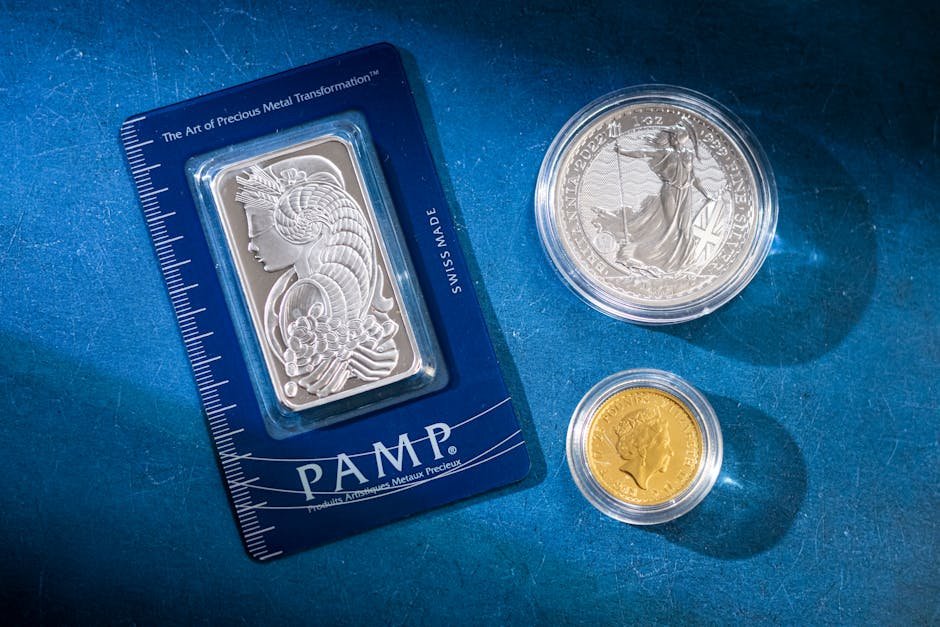
There is a practical reason many people start their precious metals journey with silver rather than gold: price per ounce. Because silver trades at a fraction of gold’s price at current spot prices, buyers can accumulate meaningful physical holdings without needing a large upfront budget. A new investor can buy several ounces of silver for roughly what a single gram of gold would cost.
This accessibility makes silver an excellent entry point for anyone who wants tangible, physical wealth outside the banking system. You can start small, build gradually, and hold something real in your hands. Popular products like American Silver Eagles, Canadian Maple Leafs, and one-ounce silver rounds make it easy to buy in standardized, recognizable increments that are easy to store and easy to sell later.
At Absolute Bullion, buyers can browse a range of silver coins and bars at competitive prices based on current spot prices. Starting with well-known government-minted coins is a smart move because they carry strong liquidity — meaning you can sell them easily when the time comes.
How Silver Performs During Economic Uncertainty
Silver has a long history of performing well during periods of inflation, currency weakness, and financial stress. Like gold, it is a tangible asset that cannot be printed or devalued by a government. When people lose confidence in paper currencies or worry about inflation eating away at their savings, both gold and silver tend to attract buying interest as stores of value.
What makes silver particularly interesting during uncertain times is its dual nature. It benefits from the same safe-haven buying that drives gold higher, but it also benefits from industrial demand that may increase as economies spend on infrastructure and clean energy projects. That combination gives silver two potential tailwinds at once.
Of course, silver can also be more volatile than gold in the short term. Its smaller market means prices can move sharply in both directions. Investors who understand this going in, and who are buying physical silver as a long-term hold rather than a short-term trade, are typically better positioned to ride out that volatility.
Practical Tips for Buying Silver in 2025
- Buy physical, not paper. Owning actual coins and bars gives you direct exposure to silver without counterparty risk.
- Compare premiums carefully. The premium over spot price varies by product. Rounds and bars typically carry lower premiums than collector coins.
- Buy from reputable dealers. Work with established dealers who offer transparent pricing and clear product descriptions.
- Store it properly. Use a home safe or a professional vault service to protect your holdings from theft and damage.
- Think long term. Silver’s strongest case is as a long-term store of value, not a short-term trade.
Silver’s combination of historically wide valuation gaps versus gold, growing industrial demand, constrained supply, and affordable entry points makes it one of the most compelling cases in the precious metals market heading into 2025 and beyond. If you are ready to take a closer look, visit absolutebullion.com to see current pricing on silver coins and bars and find the right product for your budget and goals. The best time to build a position is before the crowd notices the opportunity.
