

Market Insights
How to Store Gold and Silver at Home Safely: A Complete Guide
May
Buying gold and silver is one of the smartest steps you can take to protect your wealth — but the job is only half done once you make the purchase. How you store your metals matters just as much as what you buy. Poor storage decisions have led to theft, damage, and costly insurance headaches for well-meaning investors. This guide walks you through everything you need to know about keeping your gold and silver safe at home, from choosing the right safe to building smart daily habits that protect your investment for the long term.
Why Home Storage Is a Popular Choice
Many precious metals owners prefer to keep their gold and silver at home because it puts physical control directly in their hands. Unlike a bank safe deposit box, your home storage is accessible around the clock, and you are not dependent on a financial institution’s hours, policies, or solvency. In times of economic uncertainty, that kind of direct access carries real peace of mind.
Home storage also eliminates ongoing fees that come with vault services or depository accounts. Once you have a solid setup in place, your costs are mostly one-time expenses. That said, home storage does come with genuine responsibilities. You are entirely accountable for security, and any lapse in planning can put your metals — and potentially your family — at risk.
Choosing the Right Safe for Precious Metals
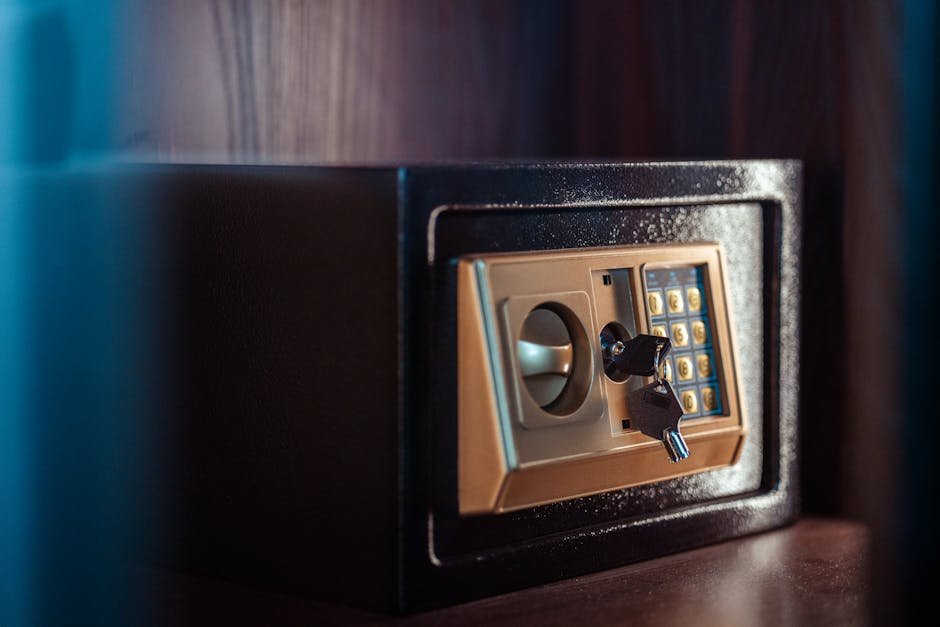
Not every safe on the market is appropriate for storing gold and silver. A quality safe should have two primary ratings you can verify: a fire resistance rating and a burglary resistance rating. Fire ratings are typically expressed in time and temperature — look for a safe rated to protect contents at a minimum of 1,200°F for at least one hour. Burglary ratings from organizations like Underwriters Laboratories (UL) give you a standardized measure of how long a safe can resist forced entry.
Weight matters more than most new buyers expect. Heavier safes are dramatically harder to remove from a home. Many experienced owners recommend a safe that weighs at least 750 pounds or one that can be bolted securely to the floor or wall. Bolt-down capability is often more important than raw weight, especially in a home with a concrete subfloor.
Gun safes are frequently marketed as suitable for gold and silver storage, and many are — but read the fire ratings carefully. Some gun safes have modest fire protection that may not be sufficient for a large metals collection. Purpose-built home security safes with a higher UL rating are generally a better choice as your holdings grow.
The Best Locations to Hide a Safe in Your Home
Where you put your safe is almost as important as which safe you buy. Obvious locations — like a master bedroom closet — are the first places experienced burglars check. Consider placing your safe in a less predictable area, such as a basement utility room, a garage workshop area, or a dedicated storage space. A safe hidden behind a false wall or inside a piece of built-in furniture adds another layer of security without requiring a major renovation.
If you choose a basement location, be aware of flood risk. Gold and silver coins and bars are not harmed by moisture the way paper documents are, but prolonged exposure to humidity can cause spotting or toning on some silver products. Store your metals in sealed packaging or use desiccant packets inside the safe to manage humidity levels.
Whatever location you choose, limit the number of people who know about it. Even trusted friends or extended family members can inadvertently reveal information. The fewer people aware of your safe’s location and contents, the better.
Protecting Your Metals from Environmental Damage
Physical security gets most of the attention, but environmental damage is a very real threat — especially for silver. Silver is chemically reactive and will tarnish when exposed to sulfur compounds in the air. While tarnish does not affect the metal’s actual value by weight, it can reduce the visual appeal of coins and make them harder to sell at a premium.
Store silver coins and bars in their original mint packaging whenever possible. Many mints ship silver in sealed tubes or protective capsules that limit air exposure. For coins without original packaging, airtight coin capsules or archival-quality flips are inexpensive and widely available. Avoid PVC-based holders, which can leach harmful chemicals onto the surface of coins over time.
Gold is far less reactive than silver and does not tarnish under normal storage conditions. Still, keeping gold in its original packaging or sealed capsules is good practice. It also helps maintain the condition grades that matter when you eventually decide to sell.
Insurance and Documentation: Don’t Skip This Step
A secure safe is essential, but insurance is the financial backstop that protects you if the worst happens. Standard homeowners and renters insurance policies typically provide very limited coverage for precious metals — often only a few hundred dollars. If your collection has any significant value, you need to take additional steps.
Contact your insurance provider about a scheduled personal property rider, sometimes called a floater. This type of endorsement allows you to list specific high-value items for full replacement coverage. Alternatively, there are specialty insurers that focus specifically on precious metals and collectibles, offering more flexible and comprehensive policies.
Documentation is the foundation of any insurance claim. Photograph your metals regularly, recording serial numbers and mint marks where applicable. Keep purchase receipts — the kind you receive when you buy from a reputable dealer like Absolute Bullion — in a secure off-site location such as a digital cloud account or a fireproof box at another address. Without documentation, proving ownership and value to an insurer after a loss is extremely difficult.
Smart Daily Habits That Reduce Your Risk
Long-term security depends as much on consistent behavior as it does on hardware. Be cautious about discussing your metals holdings in public or on social media. Online communities for precious metals investors are popular and generally useful, but sharing photos of your collection alongside location clues is an invitation to trouble.
Consider spreading your storage across more than one location. Keeping a portion of your metals in a home safe and another portion in a bank safe deposit box or private vault service reduces your single-point-of-failure risk. This strategy is sometimes called layered storage, and it is widely practiced among serious collectors and investors.
Review your security setup at least once a year. Check that safe bolts are secure, that desiccant packets are still effective, and that your insurance policy reflects the current value of your collection.
Storing gold and silver safely at home is entirely achievable with the right planning and the right tools. Start with a quality, properly anchored safe, choose a discreet location, protect your metals from environmental damage, and back everything up with solid documentation and insurance. When you are ready to add to your collection, absolutebullion.com offers a wide selection of gold and silver products at current spot price with transparent pricing — because protecting your wealth starts with buying smart.
