


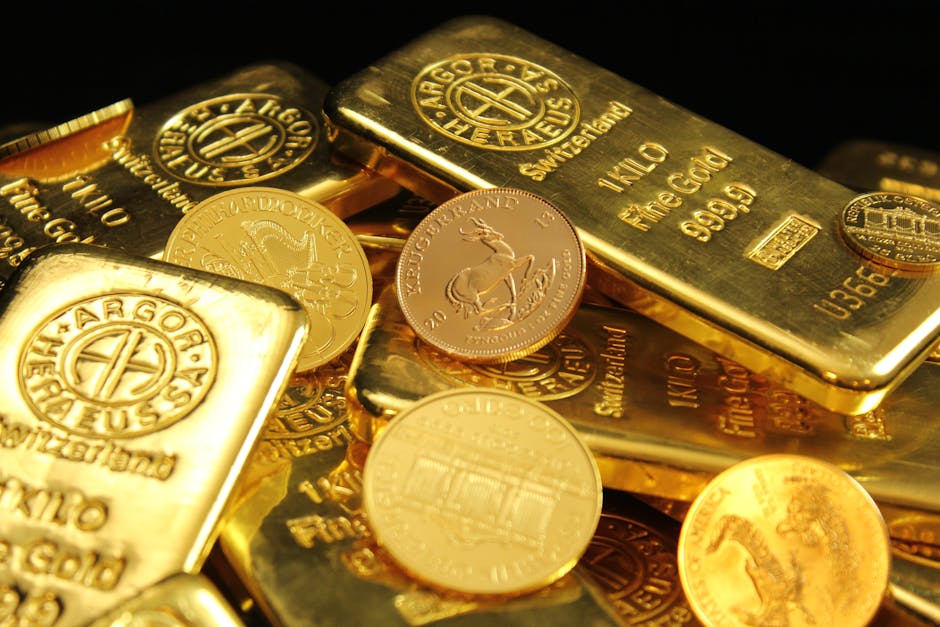
Gold has captivated investors, governments, and ordinary people for thousands of years. But beneath all the history and emotion lies a straightforward economic reality: the price of gold, like any asset, is shaped by supply and demand. Understanding those fundamentals helps you make smarter decisions about when to buy, how much to hold, and why the price moves the way it does. Whether you are just starting out or looking to sharpen your knowledge, this guide breaks down the key forces that drive gold prices in plain, honest terms.
Where Does the World’s Gold Supply Come From?
The global gold supply comes from two main sources: newly mined gold and recycled gold. Mining is the primary driver of new supply. Gold is extracted from underground and open-pit mines located on nearly every continent, with major producing countries including China, Australia, Russia, Canada, and the United States. Mining is an expensive, time-consuming process, and new large-scale gold deposits are increasingly difficult to find and develop.
Recycled gold, sometimes called scrap gold, makes up the second major source of supply. This includes gold recovered from old jewelry, electronics, and industrial equipment. When gold prices rise significantly, more people and businesses are motivated to sell or recycle their gold holdings, which increases the recycled supply entering the market. This natural feedback loop acts as a mild price stabilizer over time.
One important characteristic of gold is that virtually all the gold ever mined still exists in some form above ground. This large existing stockpile means that annual mine production represents only a small percentage of the total available supply. That dynamic makes gold different from commodities like oil, which are consumed and destroyed. It also means that shifts in investor sentiment can move the price more dramatically than changes in mining output alone.
Who Buys Gold and Why? Understanding Demand
Gold demand comes from several distinct categories, and each one responds differently to economic conditions. The largest category historically has been jewelry demand, particularly strong in India and China, where gold carries deep cultural significance tied to weddings, festivals, and family wealth. When incomes rise in these economies, jewelry demand tends to increase. When economic hardship strikes, it often falls.
Investment demand is the second major category and includes physical gold products like coins and bars, gold-backed exchange-traded funds (ETFs), and futures contracts. Investment demand tends to rise sharply during periods of financial uncertainty, inflation fears, or currency weakness. Investors view gold as a store of value and a portfolio hedge, meaning they buy more of it when they are worried about other assets losing purchasing power.
Central banks represent a third important category of demand. Many national governments hold gold as part of their foreign reserves, and their buying and selling decisions can move the market meaningfully. Over the past several years, central banks in emerging markets have been net buyers of gold, adding to their reserves as a way to diversify away from reliance on the U.S. dollar. Industrial and technology uses, including electronics and medical devices, account for a smaller but consistent slice of overall demand.
The Role of Interest Rates and the U.S. Dollar
Two of the most closely watched indicators among gold investors are U.S. interest rates and the strength of the U.S. dollar. Gold does not pay interest or dividends, so when interest rates rise and bonds or savings accounts offer attractive returns, gold becomes comparatively less appealing as a place to park money. Conversely, when real interest rates are low or negative — meaning the rate of return on bonds is less than the rate of inflation — gold becomes much more attractive because it preserves purchasing power without the drag of inflation eating your returns.
The relationship between gold and the U.S. dollar is also significant. Because gold is priced in dollars globally, a weaker dollar generally means gold becomes cheaper for buyers using other currencies, which increases demand and pushes the price up. A stronger dollar tends to have the opposite effect. This inverse relationship is not absolute and can break down during extreme periods of financial stress, but it holds up as a general pattern over time.
Understanding these macro factors helps explain why gold sometimes moves sharply even when nothing obvious has changed in the mining industry. A single Federal Reserve policy announcement or a major shift in currency markets can alter the investment demand picture almost instantly, creating price movement that pure supply-and-demand data from the physical market might not predict on its own.
Geopolitical Risk and Safe-Haven Demand
Gold has long been called a safe-haven asset, meaning investors rush to it during times of geopolitical tension, war, financial crises, or systemic uncertainty. When confidence in paper currencies, governments, or financial institutions erodes, gold tends to benefit because it is no one’s liability. It cannot be printed, defaulted on, or devalued by a government decree.
Historically, major conflicts, banking crises, and episodes of high inflation have all been associated with surges in gold demand. This safe-haven characteristic does not mean gold is without risk or volatility — prices can and do fall. But it does mean that gold serves a unique function in a diversified portfolio that few other assets can replicate.
Supply Constraints and Long-Term Price Pressure
On the supply side, there are meaningful structural constraints that matter for long-term price trends. New gold discoveries have become less frequent, and the average grade of ore being mined has declined over the decades, meaning miners must process more rock to extract the same amount of gold. Environmental regulations, permitting requirements, and rising energy costs all add to the expense of bringing new supply to market. These factors create a natural floor under production costs that influences the long-term price level.
It typically takes many years from the initial discovery of a gold deposit to the first ounce of production. This long lead time means the mining industry cannot respond quickly to a price spike the way a factory can ramp up output of consumer goods. That supply inelasticity is one reason gold prices can move sharply upward when demand surges — there simply is not a rapid supply response available to balance the market in the short term.
How to Use These Fundamentals as a Buyer
Understanding supply and demand fundamentals does not require a finance degree. It simply means paying attention to a few key signals: the direction of real interest rates, the strength or weakness of the dollar, central bank activity, and the broader environment of economic confidence. When several of these factors align in gold’s favor simultaneously, the case for owning physical gold tends to strengthen.
- Watch real interest rates: Low or negative real rates historically support higher gold prices.
- Monitor the dollar: Dollar weakness often correlates with gold strength.
- Follow central bank trends: Large-scale central bank buying signals long-term institutional confidence in gold.
- Assess uncertainty: Rising geopolitical or financial risk often drives safe-haven demand.
- Consider supply constraints: Rising mining costs provide a long-term floor for gold prices.
At Absolute Bullion, we believe informed buyers are better buyers. Whether you are purchasing your first gold coin or adding to an established holdings position, understanding what drives the price of gold gives you real confidence in your decision. Check current spot pricing and explore our full selection of gold coins and bars at absolutebullion.com, where you will find competitive pricing and straightforward service from a trusted California-based precious metals dealer. The fundamentals are on your side — start with knowledge, then act with purpose.