


One of the most common questions new investors ask when they first look into precious metals is simply: how much gold should I actually buy? It’s a fair question, and the honest answer is that there’s no single magic number. The right amount depends on your financial situation, your goals, and how gold fits into your overall picture. What we can do is walk you through the key considerations so you can make a confident, informed decision rather than just guessing.
Start With Your Overall Financial Picture
Before you think about ounces, think about your financial foundation. Gold works best as part of a broader financial strategy, not as a replacement for one. If you carry high-interest debt or lack an emergency fund that covers three to six months of expenses, those priorities should generally come first. Gold is not a liquid emergency fund — it takes a little time and effort to sell physical metal, so you want cash reserves in place before you start buying.
Once your basics are covered, consider what percentage of your savings you’re comfortable allocating to precious metals. Many financial commentators suggest somewhere between five and fifteen percent of a portfolio as a general range for hard assets like gold and silver. That said, this is a personal decision. Some investors feel comfortable at the lower end; others prefer a larger allocation. The key is making a deliberate choice rather than an emotional one.
Think about your time horizon as well. Are you buying gold for long-term wealth preservation over many years, or do you want something you can liquidate in a shorter timeframe if needed? Gold is generally considered a long-term asset, and approaching it that way tends to reduce the anxiety that comes with short-term price swings.
Understanding How Gold Is Measured and Sold
Gold is measured in troy ounces, which are slightly heavier than the standard avoirdupois ounce used for everyday items. One troy ounce equals approximately 31.1 grams. When dealers and markets quote a gold price, they’re always referring to the troy ounce, so that’s the unit you’ll be working with as a buyer.
Gold is sold in a range of sizes to accommodate different budgets. The most common options you’ll encounter are one-ounce coins and bars, half-ounce coins, quarter-ounce coins, one-tenth-ounce coins, and fractional gram bars. One-ounce products generally offer the best value because they carry lower premiums over spot price relative to smaller sizes. Fractional pieces cost more per ounce but require less upfront capital, which makes them accessible for buyers who are just getting started.
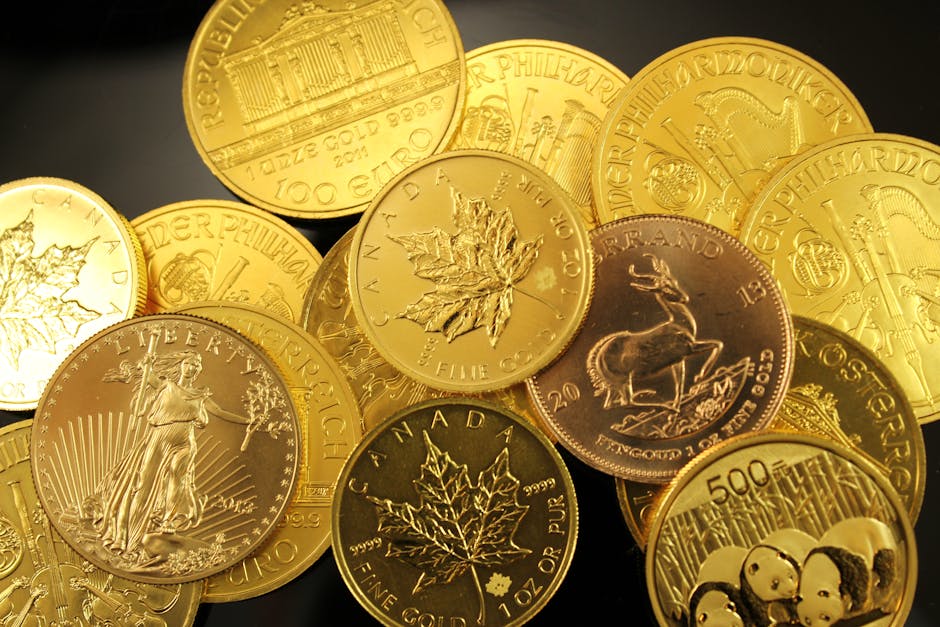
Popular one-ounce gold coins include the American Gold Eagle, the American Gold Buffalo, the Canadian Gold Maple Leaf, and the South African Krugerrand. These are all recognized worldwide, easy to buy and sell, and backed by their respective governments for weight and purity. Bars from reputable refiners are another solid option and often carry slightly lower premiums than coins.
A Practical Starting Point for Beginners
If you’re brand new to physical gold, a reasonable starting point is whatever amount you could buy without financial stress and without losing sleep if the price fluctuates in the short term. For many beginners, that means starting with one to three ounces. This gives you a meaningful position without overcommitting before you’ve had a chance to get comfortable with owning and storing physical metal.
Some people prefer to start even smaller — with fractional ounces or a few grams — just to experience the process. There’s real value in that. You learn how buying works, you understand what the metal looks and feels like, and you get comfortable with the storage and insurance questions before you scale up. There’s no shame in starting small and building over time.
A dollar-cost averaging approach works well for gold, just as it does for other assets. Rather than trying to time the market, you set a regular schedule — monthly or quarterly — and buy a fixed dollar amount regardless of where the price is sitting. This smooths out your average purchase price over time and turns gold buying into a disciplined habit rather than an event driven by emotion or market noise.
How Budget Determines Your Options
Your available budget will naturally shape what you buy. At current spot price, one ounce of gold represents a meaningful investment, so it’s worth understanding your options across different price points. If you have a smaller budget to start, tenth-ounce coins or fractional bars let you get into gold without the full commitment of a whole ounce. If you have a larger budget, one-ounce products or even small bars offer better value on a per-ounce basis.
Keep premiums in mind as part of your cost. Premiums are the amount you pay above the raw spot price of gold, covering minting, distribution, and dealer costs. Premiums vary by product, size, and market conditions. Larger and more standardized products tend to have lower premiums percentage-wise. Comparing premiums across product types helps you stretch your budget further and understand the true cost of what you’re buying.
At Absolute Bullion, you can browse live inventory and see current pricing across a wide range of gold coins and bars, which makes it easy to compare your options and find what fits your budget at any given time.
Storage and Insurance: Don’t Skip This Step
Before you buy even a single ounce, have a plan for where it will live. Physical gold needs to be stored securely. Your main options are a home safe, a bank safe deposit box, or a third-party vault storage service. Each has trade-offs around accessibility, cost, and security. A heavy-duty home safe bolted to the floor is a popular choice for smaller holdings. Larger amounts often warrant professional vault storage.
Check your homeowner’s or renter’s insurance policy as well. Standard policies often have low limits on precious metals, so a separate rider or specialized coverage may be needed. This is a straightforward step but one that many first-time buyers overlook until after the fact. Getting your storage and insurance sorted before your gold arrives is simply good practice.
Building Your Position Over Time
Most experienced gold holders didn’t buy their entire position in one purchase. They built it gradually, adding to their holdings as their budget allowed and as they became more confident. Starting with one or two ounces and adding methodically over months or years is a perfectly sound approach. It keeps individual purchases manageable and lets you learn from the experience along the way.
Diversifying within precious metals is also worth considering as your collection grows. Many investors hold both gold and silver, which serve somewhat different roles. Silver tends to be more accessible at lower price points and can complement a gold position nicely.
Ready to Take the First Step?
The right number of ounces to buy as a beginner is the amount that fits your financial situation, your goals, and your comfort level — nothing more and nothing less. Start with what you know you can commit to, build a storage plan, and treat gold as a long-term position rather than a short-term trade. Visit absolutebullion.com to explore current inventory, compare products, and get live pricing so you can make your first purchase with confidence.