


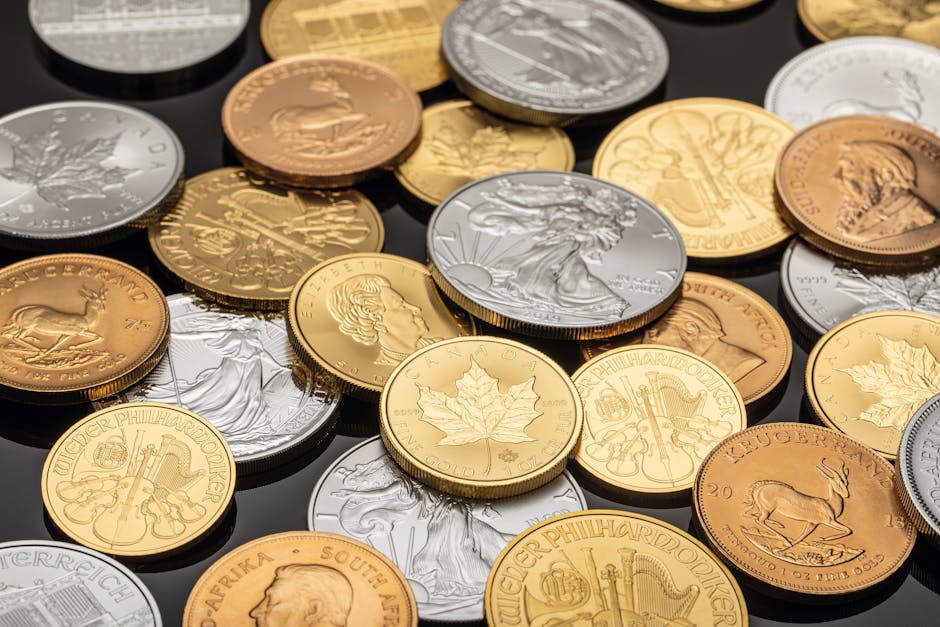
If you’re thinking about buying gold for the first time, two coins will come up in almost every conversation: the American Gold Eagle and the American Gold Buffalo. Both are struck by the United States Mint, both carry the full backing of the federal government, and both are popular choices among investors and collectors alike. But they are not the same coin, and the differences between them matter when you’re deciding where to put your money. Understanding what sets these two coins apart can help you make a smarter, more confident buying decision.
A Quick Look at Each Coin
The American Gold Eagle has been in continuous production since 1986. It features Augustus Saint-Gaudens’ classic depiction of Lady Liberty on the obverse and a family of eagles on the reverse, designed by Miley Busiek. The coin comes in four sizes: one ounce, half ounce, quarter ounce, and tenth ounce, giving buyers a range of entry points. Gold Eagles are struck in a 22-karat alloy, meaning they contain small amounts of silver and copper alongside the gold.
The American Gold Buffalo arrived later, introduced in 2006 as the first 24-karat gold coin ever produced by the United States Mint. It features James Earle Fraser’s iconic “Buffalo Nickel” design — a Native American portrait on the obverse and an American bison on the reverse. Unlike the Eagle, the Buffalo is currently available only in the one-ounce size through standard production. Its purity of .9999 fine gold makes it one of the purest government-issued gold coins available anywhere in the world.
Purity and Metal Content
This is where the two coins differ most at a technical level. The American Gold Eagle is 22 karats, or .9167 fine gold. A one-ounce Eagle contains exactly one troy ounce of gold, but the coin itself weighs slightly more because of the added alloy metals. The copper and silver in the mix actually make the coin harder and more resistant to scratches and dents, which is one reason the Eagle has earned a reputation for durability over decades of handling.
The American Gold Buffalo is 24 karats, or .9999 fine gold. The coin weighs one troy ounce and contains one troy ounce of pure gold — nothing added. For buyers who place a premium on purity, especially those purchasing gold to meet certain retirement account requirements, the Buffalo often stands out. The IRS allows both coins in a self-directed gold IRA, but many investors still associate 24-karat purity with a higher standard of quality.
In practical terms, both coins deliver exactly one troy ounce of gold in the one-ounce size. The difference in purity does not change the gold value you receive — it simply reflects the composition of the coin itself.
Design and Collectibility
Both coins carry significant visual and historical appeal. The Gold Eagle’s Lady Liberty design draws from one of the most celebrated coin designs in American history, originally used on the $20 Saint-Gaudens double eagle gold coin from the early 20th century. The family of eagles on the reverse adds a patriotic, timeless quality that many collectors genuinely appreciate.
The Gold Buffalo’s design is equally iconic. James Earle Fraser created the original Buffalo Nickel in 1913, and seeing that design reproduced in gleaming 24-karat gold carries a particular weight for collectors. The bold, high-relief style gives the coin a striking appearance that photographs beautifully and displays well in any collection.
If collectibility is part of your goal, both coins offer annual proof versions and special editions that can carry numismatic premiums beyond the gold spot value. For most first-time buyers focused purely on acquiring gold, however, the standard bullion versions of each coin are the practical choice.
Premiums and Liquidity
When you buy either coin, you pay a premium over the spot price of gold. This premium covers minting costs, distribution, and dealer margins. In general, American Gold Buffalos tend to carry a slightly higher premium than Gold Eagles of the same size. The higher purity and the more complex minting process for 24-karat gold contribute to this difference.
Both coins enjoy excellent liquidity. Because they are produced by the U.S. Mint and recognized worldwide, dealers and private buyers alike will accept them readily. If you ever decide to sell, you are unlikely to face difficulty finding a buyer for either coin. That said, the Gold Eagle’s longer production history and wider size availability mean it is encountered more frequently in the secondary market, which can make it slightly easier to sell quickly at a fair price.
For buyers watching their budget carefully, the smaller denominations of the Gold Eagle — the half ounce, quarter ounce, and tenth ounce — offer a lower dollar entry point while still giving you genuine U.S. Mint gold. The Buffalo does not currently offer these smaller sizes in standard production, which is worth factoring into your planning.
Which Coin Fits Your Situation?
There is no single right answer here — it depends on your goals. If you want maximum purity and a bold, historic design, the American Gold Buffalo is an excellent choice. It satisfies buyers who want the cleanest possible gold content and who appreciate the cultural significance of the Buffalo Nickel imagery reproduced in fine gold.
If you want flexibility, durability, and a range of sizes, the American Gold Eagle may serve you better. Its 22-karat alloy makes it slightly tougher to handle without damage, and the availability of fractional sizes means you can scale your purchases to fit almost any budget. The Eagle is also one of the most recognized gold coins in the world, which supports its long-term resale value.
Many experienced gold buyers hold both coins in their portfolios. Diversifying across coin types can give you the benefits of each while reducing the impact of any niche market fluctuations. At Absolute Bullion, you can view live pricing on both coins and compare current premiums side by side to make the most informed decision possible.
Conclusion: Start With What Fits Your Goals
Both the American Gold Eagle and the American Gold Buffalo are outstanding products from the United States Mint. They are reliable, recognizable, and backed by the full faith of the U.S. government. The choice between them ultimately comes down to your priorities — purity versus flexibility, design preference, budget, and how you plan to store or eventually sell your gold.
Take a moment to check at current spot price what each coin costs today, and think about which features matter most to you. Whether you are building a long-term holding, starting a gold IRA, or simply adding a physical asset to your financial picture, either coin is a solid place to begin. Visit absolutebullion.com to browse current inventory and get live pricing on both Gold Eagles and Gold Buffalos — no pressure, just transparent pricing and genuine expertise.