


Selling gold bullion sounds simple enough — you have gold, someone wants to buy it, money changes hands. But if you walk into the process without preparation, you can easily leave hundreds of dollars on the table. The gold market is transparent in one important way: spot price is publicly available every second of every trading day. What is not always transparent is how much of that spot price you will actually pocket. Understanding the gap between what gold is worth and what buyers will pay is the single most important concept for any seller to grasp before making a move.
Know the Spot Price Before You Do Anything Else
Spot price is the benchmark price for one troy ounce of gold traded on global commodity exchanges at any given moment. Every legitimate gold transaction — whether you are buying or selling — is anchored to this number. Before you contact a single buyer, pull up the current spot price from a reliable financial source. This gives you a floor to measure every offer against.
Keep in mind that sellers almost never receive 100 percent of spot price. Dealers need to make a margin to stay in business, cover overhead, and resell your metal at a competitive price. However, the gap between what you receive and the spot price should be reasonable and clearly explained. A lowball offer from a buyer who never mentions spot price at all is a red flag worth taking seriously.
Check the spot price on the same day you plan to sell, or even on the same morning. Gold prices move throughout the trading day, and a price from yesterday may no longer be accurate. Visiting absolutebullion.com gives you access to live pricing so you always have a current reference point in hand.
Understand What You Actually Have
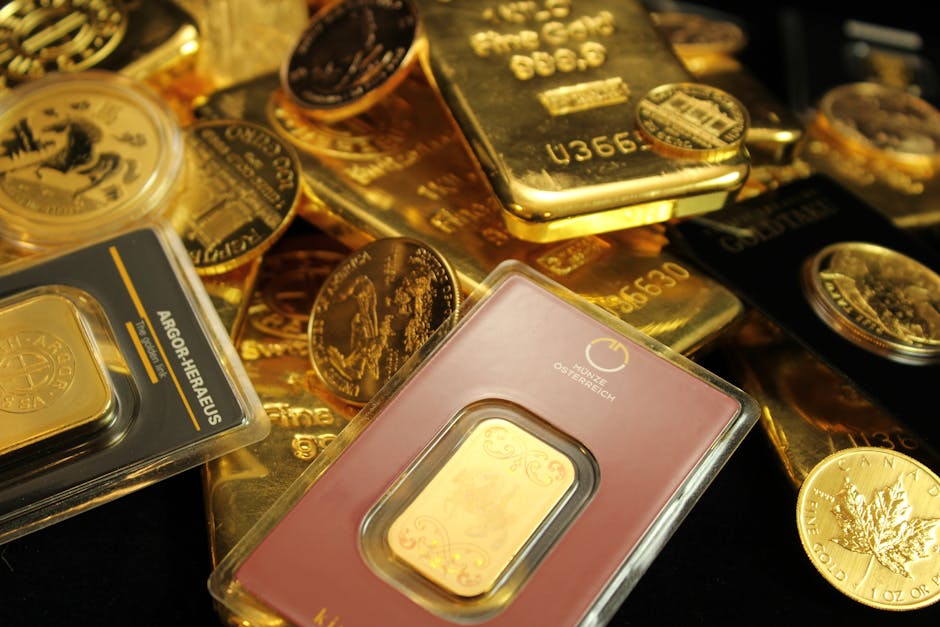
Not all gold is priced the same way. Gold bullion — coins, bars, and rounds produced specifically for their metal content — commands a different premium structure than gold jewelry, scrap gold, or collectible numismatic coins. If you are selling recognized bullion products like American Gold Eagles, Canadian Gold Maple Leafs, or standard gold bars from accredited refiners, you are in the strongest possible position because these items are easy to verify and highly liquid.
Before approaching any buyer, gather the following information about each piece you plan to sell:
- Weight — measured in troy ounces, not standard ounces
- Purity — expressed as a fineness (such as .999 or .9999) or karat (for jewelry)
- Mint or refiner — who produced it and whether that producer is widely recognized
- Condition — original packaging and certificates of authenticity add credibility
If you have documentation such as original receipts, assay cards, or mint packaging, hold onto all of it. These items reduce the time a buyer needs to verify your gold and can positively influence the offer you receive.
Compare Multiple Buyers — This Step Is Non-Negotiable
The single most effective tactic for maximizing your sale price is to get competing offers. Different types of buyers exist in the market, and each operates with a different cost structure and pricing model. Your options generally include local coin shops, online precious metals dealers, pawn shops, auction houses, and peer-to-peer marketplaces.
Local coin shops offer the convenience of an immediate in-person transaction and cash or check on the spot. Online dealers often have lower overhead and can offer more competitive buyback rates, though you will need to ship your metal securely. Pawn shops are generally the worst option for bullion sellers because pawn operators are generalists — their margins reflect the uncertainty of buying items outside their area of expertise.
Get at least three quotes before committing to any sale. Express each offer as a percentage of the current spot price so you are comparing apples to apples. An offer of 97 percent of spot for a one-ounce American Gold Eagle is meaningfully better than an offer of 92 percent, and that difference adds up significantly when you are selling multiple ounces.
Watch Out for Common Seller Mistakes
Selling under time pressure is one of the most costly mistakes gold sellers make. If you need cash urgently, buyers sense that urgency and offers tend to drop. Whenever possible, give yourself a window of at least a few days to shop your gold around and make a measured decision.
Another common mistake is selling all of your gold at once without considering the tax implications. In the United States, gold bullion is classified as a collectible by the IRS, and profits from sales may be subject to capital gains tax. The rate and rules depend on how long you held the metal and your overall tax situation. This article does not constitute tax advice — consult a qualified tax professional before selling significant quantities of gold.
Finally, be cautious about unsolicited buyers — whether they approach you at a “cash for gold” event, through the mail, or online. Legitimate dealers do not need to pressure you into making a quick decision. If someone is pushing you to sell right now without giving you time to compare offers, walk away.
Selling Online vs. Selling Locally
Online precious metals dealers often post their buyback prices publicly, which makes comparison easy and transparent. The process typically works like this: you request a quote, lock in a price, ship your gold via insured mail, and receive payment by check or bank wire within a few business days. The key is using a reputable dealer with clear buyback policies and verifiable reviews.
Selling locally has its own advantages. You receive payment immediately, you can inspect the scale and the process in person, and there is no shipping risk involved. For sellers who have never sold gold before, an in-person transaction at a reputable coin dealer can feel more comfortable and straightforward.
The best choice depends on your specific situation — the quantity of gold you are selling, how quickly you need funds, and how comfortable you are with the shipping process. Many experienced sellers use both channels depending on the circumstances.
How to Get Paid and Protect Yourself
For significant transactions, request payment by bank wire or certified check rather than personal check or cash for large amounts. Keep a written record of every transaction including the buyer’s name, the items sold, the agreed price, and the date. This documentation matters for tax reporting and for your own records.
If you are shipping gold to an online buyer, always use fully insured shipping through a carrier that covers precious metals. Photograph every item before it leaves your hands. Confirm the buyer’s insurance and return policy in writing before you ship anything.
Start With a Dealer You Can Trust
Selling gold does not have to be stressful if you go in prepared. Know your spot price, know what you have, and take the time to compare offers from reputable buyers. The gold market rewards sellers who are informed and patient.
If you are ready to explore your selling options or want to understand current buyback rates at current spot price, the team at Absolute Bullion is available to help you navigate the process with confidence. Whether you are selling a single coin or a larger holding, working with an experienced and transparent dealer makes all the difference.