


Silver often plays second fiddle to gold in conversations about precious metals, but many experienced investors and analysts believe that dynamic creates a real opportunity. In 2025, the gap between silver’s price and its underlying value has become difficult to ignore. Whether you are brand new to precious metals or simply looking to diversify your holdings, understanding why silver looks historically cheap relative to gold right now is a smart place to start.
The Gold-to-Silver Ratio Explained
The gold-to-silver ratio tells you how many ounces of silver it takes to buy one ounce of gold at any given moment. Historically, this ratio has averaged somewhere in the range of 50 to 60 over the long term, though it has swung far above and below that range during periods of economic stress or market enthusiasm. When the ratio climbs significantly higher than its historical average, it suggests silver is cheap relative to gold — and right now, the ratio remains elevated by historical standards.
A high ratio does not guarantee anything, but it does signal a potential imbalance. Many precious metals investors watch this number closely because whenever the ratio has stretched to extreme levels in the past, silver has eventually closed the gap — sometimes dramatically. Understanding this ratio gives you a simple, practical benchmark for comparing the two metals without needing a finance degree.
Tracking the gold-to-silver ratio alongside current spot prices at absolutebullion.com is a good habit to build. It puts whatever price you see into a broader historical context and helps you make more informed buying decisions.
Silver’s Dual Role as Both Money and Industrial Metal
One of the strongest arguments for silver’s long-term value is that it serves two very different masters at the same time. Like gold, silver has functioned as money and a store of value for thousands of years. Governments have minted silver coins, individuals have used it as a hedge against inflation, and central banks have historically held it in reserve. That monetary heritage gives silver a floor of demand that pure industrial commodities simply do not have.
At the same time, silver is one of the most useful industrial materials on the planet. It has the highest electrical conductivity of any element, which makes it essential in electronics, solar panels, electric vehicles, and medical devices. Demand from the clean energy sector alone has grown substantially in recent years as solar installations have expanded worldwide. This industrial demand adds a second engine of price support that gold does not enjoy to the same degree.
When both the monetary demand and the industrial demand are rising at the same time, silver can move quickly. That combination of forces is worth understanding before you decide how to allocate between the two metals.
Supply Constraints Are Adding Pressure
Silver supply is not as simple as mining companies just pulling more metal out of the ground. Roughly half of all silver mined each year comes as a byproduct of mining other metals — primarily copper, lead, and zinc. That means silver production is partly tied to the economics of those other metals rather than the silver price itself. When base metal mining slows down, silver supply tightens even if silver demand stays strong or grows.
Primary silver mines do exist, but they represent a minority of overall production. New large-scale silver deposits are not easy to find, and bringing a new mine from discovery to production typically takes many years. These structural supply limits mean the market cannot quickly respond to surges in demand by simply producing more silver.
When you pair tightening supply with rising industrial demand from sectors like solar energy and electric vehicles, the case for silver’s undervaluation becomes even more compelling. Supply and demand fundamentals often take time to show up in price, but when they do, the move can be significant.
Silver Is More Accessible for Everyday Investors
One very practical reason to consider silver is affordability. At current spot price, a single ounce of gold represents a substantial purchase that may be out of reach for many people who are just beginning to build a precious metals position. Silver, by contrast, allows you to start building a physical holding with a much smaller initial outlay. You can buy a few ounces of silver at a time and accumulate steadily, which fits well with a dollar-cost averaging strategy.
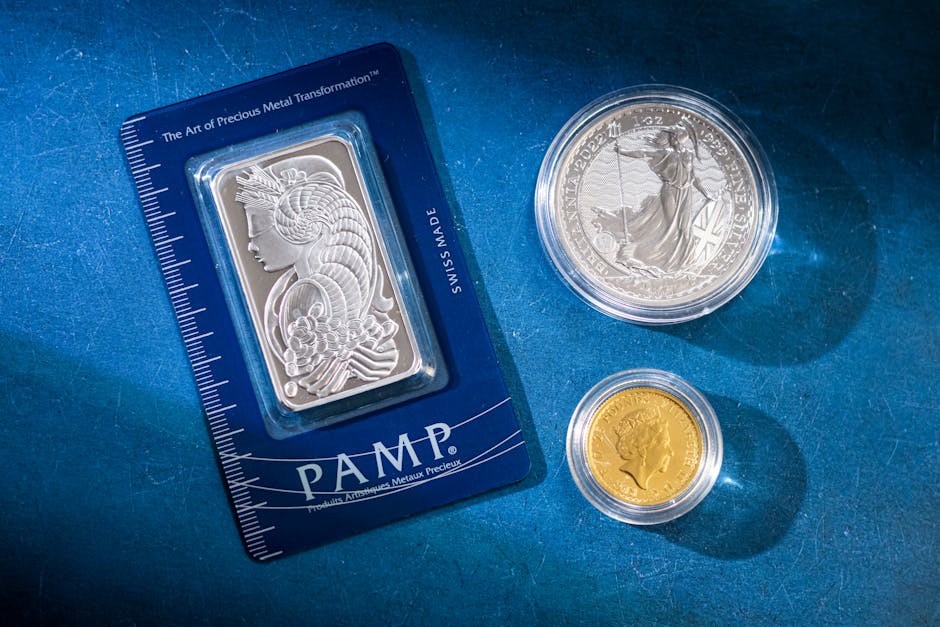
Physical silver is available in many convenient forms. Government-minted coins like the American Silver Eagle and the Canadian Maple Leaf are widely recognized and easy to resell. Silver bars come in sizes ranging from one ounce up to one hundred ounces, giving you flexibility based on your budget and storage preferences. Junk silver — older U.S. coins that contain 90 percent silver — offers another entry point with a different kind of historical appeal.
The lower price per ounce also means that any future price appreciation produces a larger percentage gain relative to your initial investment compared to gold — though it also means silver can be more volatile in both directions. That volatility is something every buyer should understand and accept going in.
What to Watch Before You Buy
Before purchasing silver, it helps to keep a few practical points in mind. First, always buy from a reputable dealer that offers verified, authentic products. Counterfeit silver does exist, and buying from a trusted source protects you from that risk. Second, think about storage before you buy. Physical silver takes up more space per dollar of value than gold, so you need a plan — whether that is a home safe, a bank safe-deposit box, or a third-party storage facility.
Consider the premium over spot price when comparing products. Every physical silver product sells at some premium above raw spot price to cover minting, distribution, and dealer costs. Government coins typically carry higher premiums than plain bars, but they also tend to be easier to resell. Understanding what you are paying above spot helps you evaluate whether a deal is fair.
- Buy only from reputable, established dealers to ensure product authenticity.
- Compare premiums across product types before committing to a purchase.
- Have a storage plan in place before your silver arrives.
- Start small if you are new, and add to your position gradually over time.
- Monitor the gold-to-silver ratio regularly as a valuation guide.
Conclusion
Silver’s combination of monetary history, critical industrial demand, supply constraints, and an elevated gold-to-silver ratio makes a compelling case that the metal is undervalued heading into 2025 and beyond. No investment is without risk, and precious metals prices can and do fluctuate — but for investors looking to add real assets to their portfolio at a historically reasonable entry point, silver deserves serious attention. Visit Absolute Bullion today to explore current silver products, check live pricing, and take the first step toward building your physical silver position.