


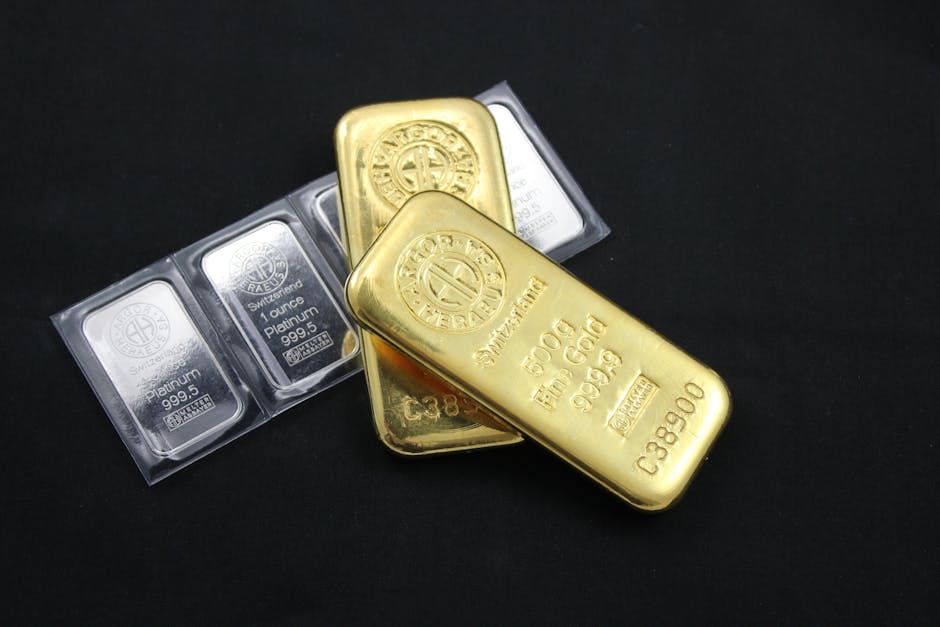
Buying gold bullion for the first time can feel overwhelming. There are dozens of product types, unfamiliar terminology, and plenty of opinions about the “right” way to do it. The good news is that the core process is straightforward once you understand a few key concepts. This guide walks you through everything you need to know — from understanding what bullion actually is to safely storing your first purchase — so you can move forward with confidence.
What Is Gold Bullion, Exactly?
Gold bullion refers to gold in its purest, most standardized physical form — typically coins, bars, or rounds. Unlike jewelry, which is priced partly for craftsmanship and design, bullion is valued almost entirely based on its gold content. The price you pay tracks closely with the spot price of gold, which is the current market price for one troy ounce of pure gold traded on global exchanges.
Purity is measured in fineness or karats. Most investment-grade gold bullion carries a fineness of .999 or .9999, meaning 99.9% or 99.99% pure gold. When you see a product described as “24 karat,” that means the same thing. This level of purity is what qualifies gold bullion for inclusion in a precious metals IRA and makes it universally recognizable to dealers and buyers around the world.
The three most common forms of gold bullion are coins, bars, and rounds. Government-minted coins like the American Gold Eagle and Canadian Gold Maple Leaf carry a face value and legal tender status. Bars are produced by private mints and refineries and tend to carry lower premiums over spot price. Rounds look like coins but are privately minted and carry no face value. Each form has trade-offs in cost, liquidity, and storage.
Understanding the Spot Price and Premiums
The spot price is the foundation of every gold transaction. It fluctuates throughout the trading day based on global supply and demand. However, you will never pay exactly the spot price when buying physical gold. Every dealer charges a premium over spot, which covers manufacturing costs, distribution, and dealer margin. Understanding this premium is one of the most important skills a new buyer can develop.
Premiums vary by product type and quantity. Government-minted coins generally carry higher premiums than bars or rounds because of their recognized brand and legal tender status. Smaller products — like one-tenth ounce coins — carry proportionally higher premiums per ounce than one-ounce coins or ten-ounce bars. As a rule, buying larger quantities or larger individual products tends to lower your cost per ounce.
When comparing dealers, always compare the total price per troy ounce — not just the listed premium percentage. Some dealers quote a low premium but add fees at checkout. A reputable dealer will show you the full all-in price clearly before you commit. You can check live pricing and compare products at absolutebullion.com to see exactly what you are paying at current spot price.
Choosing the Right Gold Product for Your Goals
Your first purchase should match your goals. If you are building a modest emergency reserve and want something universally liquid, government-minted one-ounce coins are hard to beat. The American Gold Eagle and the American Gold Buffalo are both instantly recognizable, easy to resell, and available from most dealers. The Gold Eagle contains one troy ounce of gold in a slightly heavier coin because it is alloyed for durability; the Buffalo is .9999 fine.
If keeping the cost per ounce as low as possible is your priority, gold bars from recognized refineries are worth considering. A one-ounce gold bar from an accredited refinery typically carries a smaller premium than a one-ounce coin while delivering the same gold content. The trade-off is that bars may require assay verification when you resell, depending on the buyer.
For buyers who want to start small, fractional gold products — coins or bars in one-half, one-quarter, or one-tenth ounce sizes — allow you to enter the market at a lower dollar amount. Keep in mind that fractional products carry higher premiums per ounce, so they cost more to accumulate over time. Think of them as a starting point, not a long-term strategy for building a large position.
How to Find a Trustworthy Dealer
The dealer you choose matters as much as the product you buy. A reputable dealer will be transparent about pricing, clearly describe what you are purchasing, and provide authentication for every product they sell. Red flags include vague product descriptions, pressure tactics, refusal to provide buy-back pricing, and prices that seem too far below market rates.
Look for dealers who are members of recognized industry organizations, have verifiable physical locations, and have a track record of positive customer reviews across independent platforms. It is also wise to confirm that the dealer offers a buy-back program. Knowing your dealer will repurchase your gold when the time comes gives you confidence in the liquidity of your investment and eliminates the need to find a private buyer.
Ask questions before you buy. A trustworthy dealer will happily explain their products, pricing, and policies. If a dealer is evasive or dismissive of your questions, take your business elsewhere. Absolute Bullion is a California-based precious metals dealer committed to transparent pricing and straightforward service for both new and experienced buyers.
Paying for and Receiving Your Gold
Most reputable dealers accept several payment methods, including bank wire transfer, check, and major credit cards. Be aware that credit card purchases often carry a small surcharge, while bank wire or check payments may qualify for a lower price. Understand the payment terms before you finalize your order, including how long the price is locked in after your purchase.
When your gold ships, it should arrive in a tamper-evident, discreet package with full insurance coverage. Always inspect your order carefully upon arrival and confirm that the product matches your order confirmation. Keep your receipt and any certificates of authenticity in a safe place — you will want them when you eventually resell.
Storing Your Gold Safely
Physical gold requires physical security. Your storage solution should balance accessibility with protection. The most common options are a home safe, a bank safe deposit box, or a third-party depository. Each has advantages and limitations worth considering:
- Home safe: Immediate access, fully private, but requires a quality fireproof and theft-resistant safe bolted to the structure of your home.
- Bank safe deposit box: Low cost, off-site security, but access is limited to banking hours and contents are typically not insured by the bank.
- Third-party depository: Professional-grade security and insurance, ideal for larger holdings, but involves ongoing storage fees.
Whatever option you choose, keep a private written record of your holdings — including product descriptions, weights, and serial numbers if applicable — stored separately from the gold itself. Never advertise your holdings publicly.
Final Thoughts
Buying gold bullion for the first time does not need to be complicated. Focus on understanding spot price and premiums, choose products that match your goals and budget, verify the dealer you are working with, and store your gold securely. Start conservatively, ask questions, and build your knowledge alongside your holdings. When you are ready to take the next step, visit absolutebullion.com to browse current inventory and see live pricing — no pressure, just clear information to help you make a confident first purchase.